

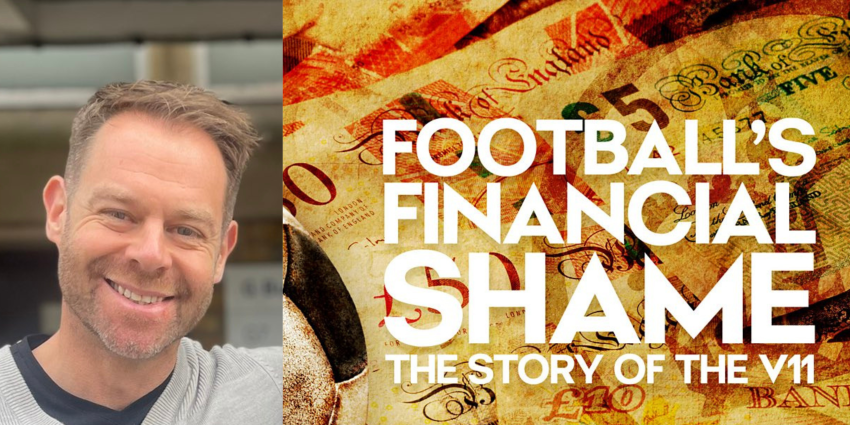
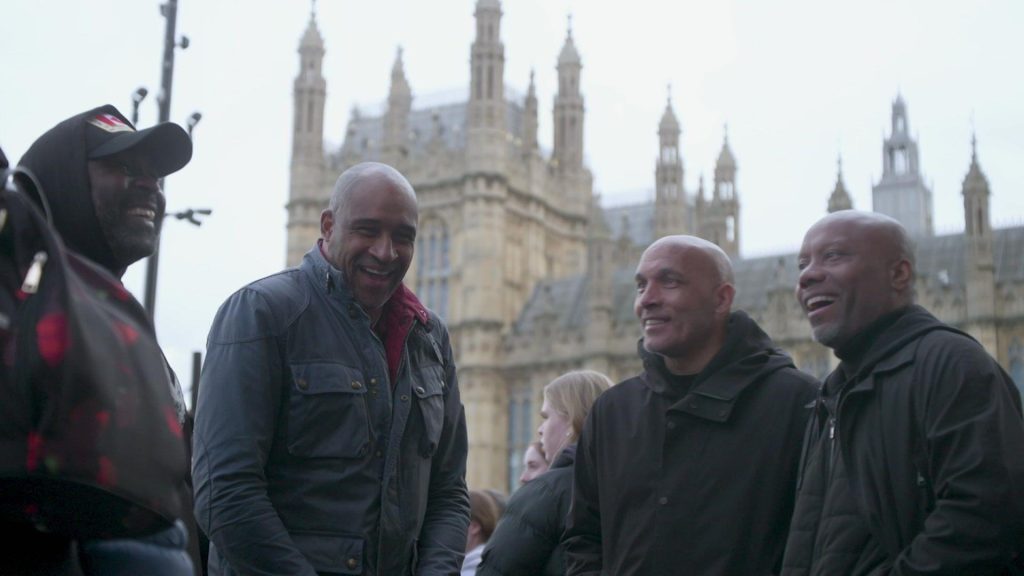
Football is often seen as a game of wealth, fame, and security for its stars, but behind the glamour lies a darker reality. In the BBC documentary Football’s Financial Shame: The Story of the V11, former Premier League presenter Richard Lenton stepped into his first executive producer role to uncover one of the sport’s most shocking financial scandals. Eleven former top-flight footballers, once celebrated on the pitch, found themselves victims of failed tax schemes and financial mismanagement that cost them their savings, homes, and, in some cases, their mental health.
In this interview, Lenton opens up about how he became involved in the project, the emotional weight of telling such stories, and why documentaries like this matter far beyond the world of football.
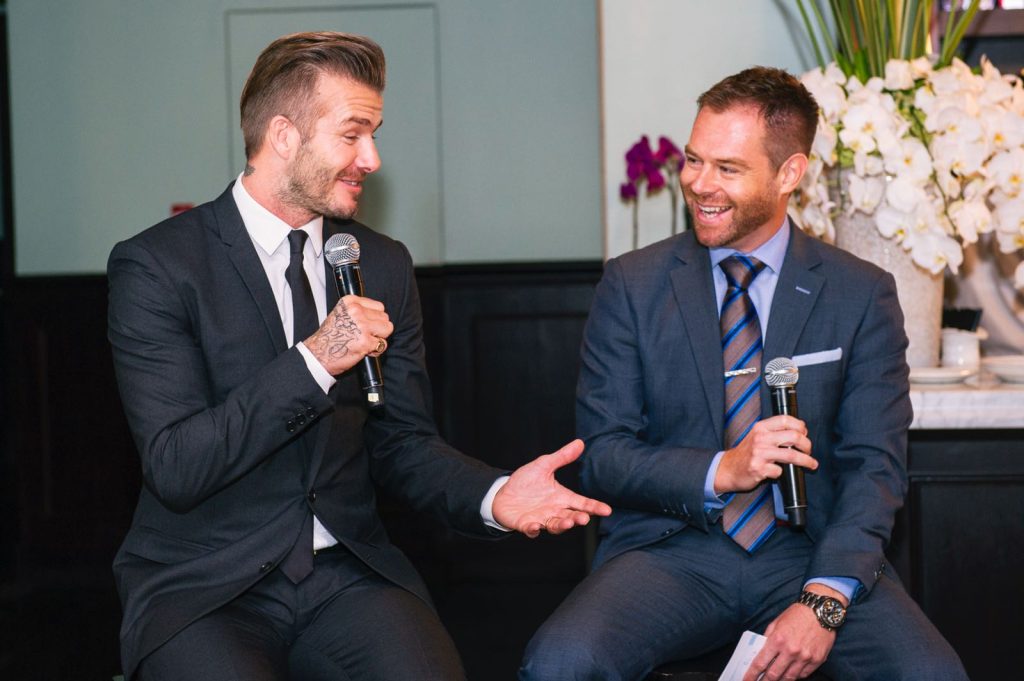
Congratulations on being executive producer on the Football’s financial shame: the story of the V11 documentary. What drew you to this particular project?
It’s an interesting one. I’d just come back from Singapore about a year before, where I was working as a Premier League TV presenter and hosted the World Cup finals in 2018.
When I returned, I began lecturing at St Mary’s, but my heart still wanted to be in TV presenting. The opportunities I was getting weren’t at the same level I’d had abroad, and I was desperate to sink my teeth into something new.
My brother had met two ex-detectives who had set up a security company but also did investigative work. They mentioned they were uncovering a shocking story involving ex-Premier League footballers who had lost their money. While the BBC documentary didn’t explicitly label it fraud, the evidence suggested these players had been gravely wronged, losing their savings only to then face massive tax bills.
My brother mentioned my background, and I agreed to meet them. When they told me the names of the players, I realised I knew four of the 11 from previous interviews in my work. The more I learned, the more fascinated, heartbroken, and inspired I became. That’s when I decided to start my own production company and take the story forward but I also knew I had to bring in real experts to do it justice.
Can you explain to my audience exactly on what an executive producer does?
I wanted to be very hands-on. I did the first four or five shoots myself directing, producing, interviewing, and even working on camera shots. It was fantastic.
But when Noah Media sold the rights to the BBC, things scaled up. The BBC brought in Richard Milway, a brilliant director with experience in this kind of production. My role shifted more towards overseeing working with Richard on shaping the story, developing trust with the players, and organising shoots while still being very involved.
It was your first executive producer role. Where you at all nervous in producing this documentary because you were a sports journalist and presenter foremost?
Absolutely. At first, when I was working alone, I was nervous about not doing justice to the players’ stories. By then, I had developed strong relationships with them, and I felt the weight of telling their truth with empathy and fairness.
When Noah Media came on board, a lot of that nervousness disappeared. I knew we were in safe hands, and I focused on learning as much as I could about producing and delivering a big documentary. I’ve had a taste of it now and definitely want to do more.
What emotional stories impacted you most during filming or postproduction and did you find they added dimensions you didn’t anticipate?
I’ve watched the film several times and I still cry at certain parts.
Brian Deane talking about losing precious time with his mother because of the financial stress that hit hard. Michael Thomas describing self-harming, and Sean Davis admitting he would wake up after drinking and want to kill himself those moments are devastating.
The music also surprised me. On my laptop, I hadn’t noticed it much, but in the final version, it amplified the emotional weight of those stories.
In hindsight, is there anything you’d have done differently in the production — different angles, more/less depth in certain areas, alternative narrative structure?
In the first cut, about 95% of it worked for me. But they’d tried to set the scene inside the Kingsbridge office, which felt too abstract. I pushed to simplify that and focus on the players’ voices and lived experiences, which ultimately made it stronger.
What role do you think media and documentaries like this play in preventing similar cases in the future?
We can’t act as a PR machine, but by telling an honest, empathetic story, we raise awareness. The day after the documentary aired, Keir Starmer referenced it during Prime Minister’s Questions. That shows the impact.
Once the documentary went public, what reactions have you had from the players (“V11”), from clubs, from financial advisors, and from regulatory bodies?
Some financial advisors reached out to me on LinkedIn, saying they were glad this was exposed because bad actors tarnish the reputation of many decent people in the industry. The documentary has definitely opened up the conversation. Carly Barnes-Short and others are still campaigning for legal changes so that players who were defrauded aren’t liable for unfair tax bills.
Is there a plan for a follow up to carry on the story of these footballers for justice?
I’m not sure yet. I’m in touch with the players and Carly via WhatsApp, so I’ll stay close to developments. If I can help in any way, I will.
Would you want to do another documentary in the football realm or maybe something that is not related to football at all?
I’d do anything with a great story. I’ve looked into cricket and football projects since, but I’d also love to branch out beyond sport. It’s all about powerful stories.
Is there any good documentaries that you are watching at the moment?
I’ve just started I Am Joe Frazier on Sky Documentaries. I’m a big boxing fan and, even though I’m only 10 minutes in, I’m really enjoying it.
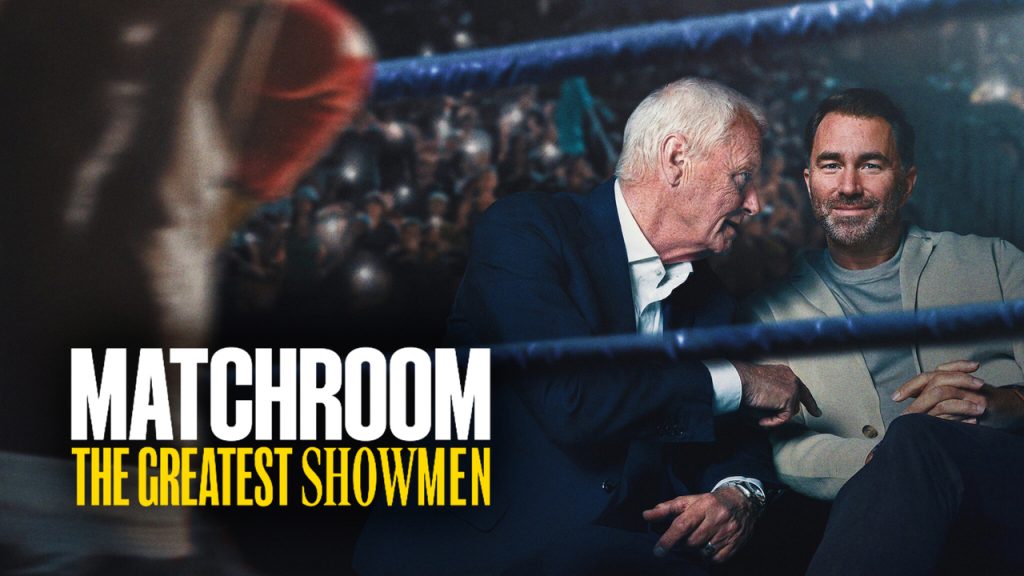
I have also just binged watched the Matchroom documentary series on Netflix. I always tell my students to be really prepared and well researched before interviewing someone, but I remember Barry many moons ago and after my first question I didn’t speak for about 20 minutes. I loved the documentary especially the gonzo stuff where they took us backstage at events.
Richard Lenton’s first step into the role of executive producer was not only a career shift but also a deeply personal journey into one of football’s most hidden crises. Football’s Financial Shame: The Story of the V11 is more than a documentary about money it’s a story of trust, betrayal, resilience, and the human cost of financial mismanagement. As
Lenton reflects, the impact goes beyond the players themselves, sparking conversations in parliament and within the wider financial and sporting worlds.
His passion for storytelling whether in football, boxing, or beyond shows that this won’t be his last powerful documentary. For now, though, the story of the V11 remains a stark reminder that even the brightest stars of the game can face their darkest moments off the pitch.