

There are very few cooking competition shows that genuinely improve after their first season, but Culinary Class Wars is one of those rare cases. Season 2 doesn’t just repeat what worked before it raises the stakes and sharpens the format, making it even more compelling to watch.
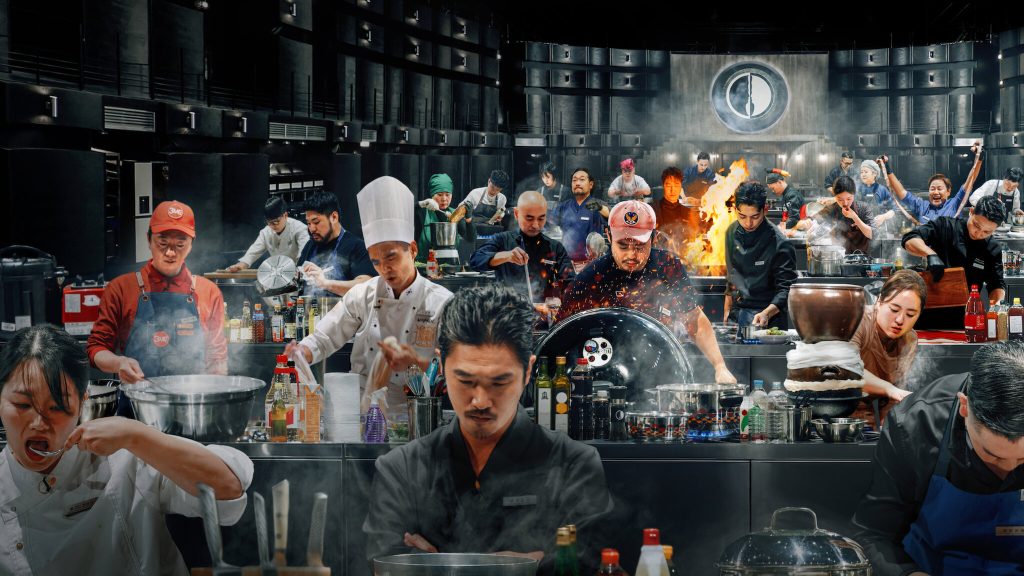
With the opening episodes asking the judges to get through a daunting 80 now 82 dishes, it’s easy at first to feel a little removed from the competitors. There are so many plates and so little time that individual stories can blur together. Still, much like season one, the producers manage to make this extended elimination round engaging, especially with the introduction of the two Hidden White Spoon chefs.
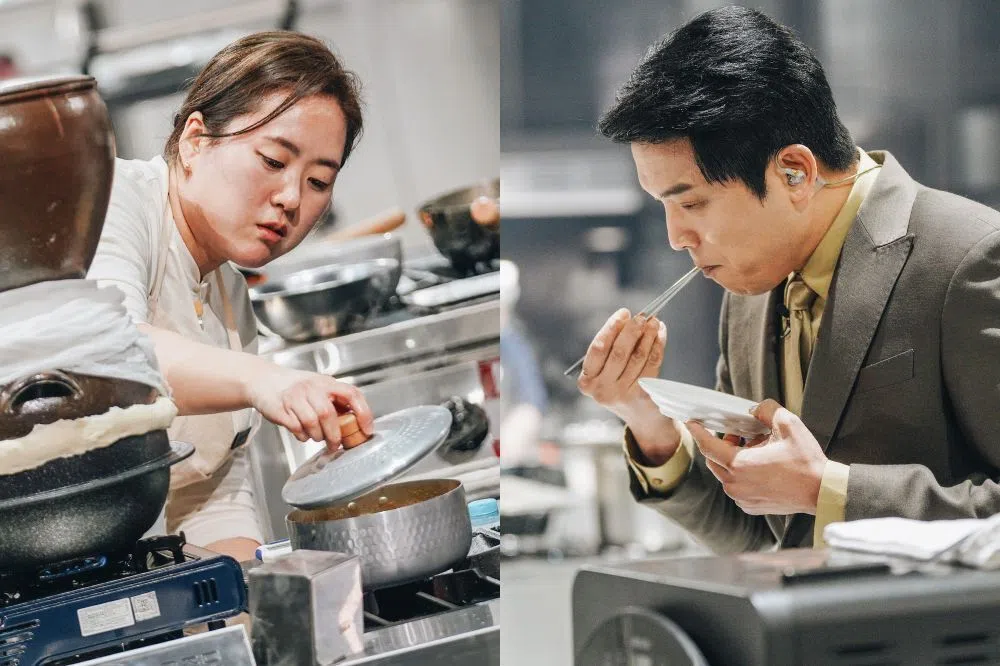
These chefs play by a different and far stricter set of rules. Both judges must taste their dishes, and they only advance if Paik Jong-won and Anh Sung-jae agree. If there’s even a hint of disagreement, they’re eliminated on the spot. It’s a brutal system, but one that heightens the tension and puts the judges’ differing perspectives front and centre.
Even without being deeply familiar with South Korea’s culinary scene, it’s fascinating to watch chefs from such varied backgrounds compete. The creativity on display is impressive right from the start. One chef spends her 100 minutes distilling her own soju, pairing it with pork, shrimp, vegetables, and rice. Another brings his own noodle machine to make his signature hand-pulled noodles. These moments remind you that this competition values confidence and individuality just as much as technical skill.
What really hooks you, though, is watching Paik and Anh taste the food and deliver their verdicts based on their exacting and very different standards. It genuinely feels like Anh Sung-jae has become even stricter this season, and that’s saying something considering how tough he already was last year. That tension is especially clear when Hidden White Spoon Kim Do-yun presents a dish Paik loves, but one that leaves Anh unconvinced.
Another highlight is the Black Apron chefs, one in particular is the “Little Tiger.” Knowing that some of them already own restaurants makes their survival feel deeply personal when they make it through the first round, you can tell it really matters.
One of my favourite contestants so far is French Papa, who owns his own French restaurant. He clearly cares deeply about food and takes time to encourage the younger chefs. Even the White Apron chefs seem to be rooting for him, which says a lot.
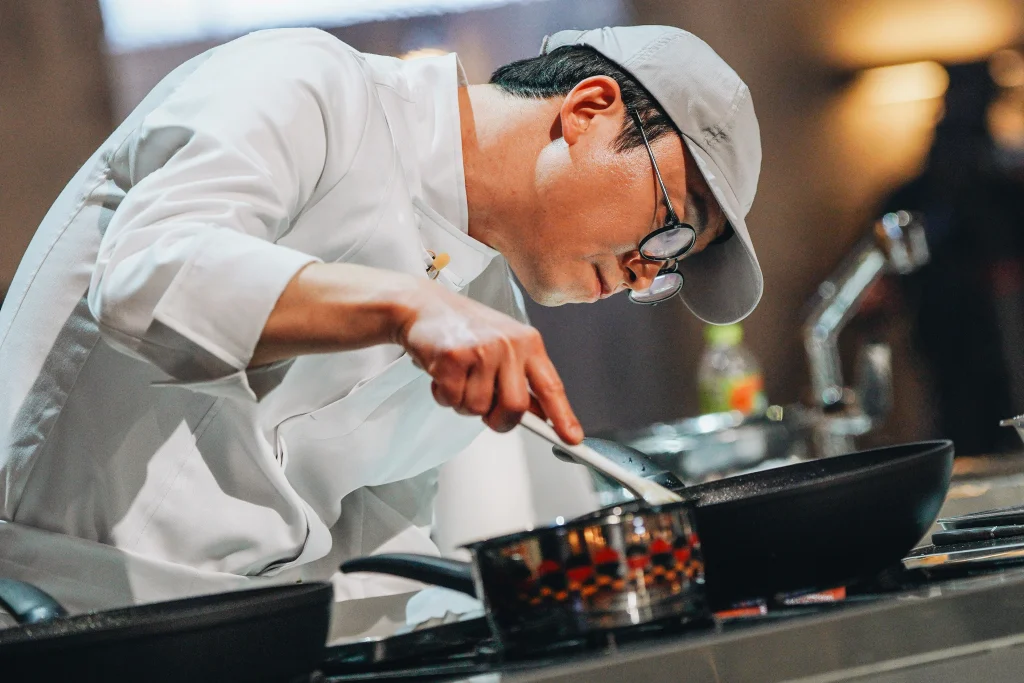
There are brilliant surprises even in the first episode, and by the end of the first three which are out now the show has its hooks firmly in you.
Watching Culinary Class Wars feels like tasting something really good: once you start, you just want to keep going.