

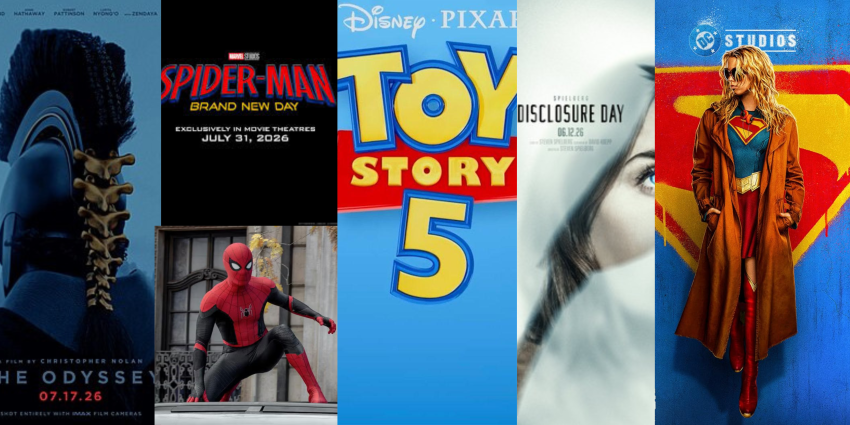
With cinema constantly evolving and streaming platforms becoming more dominant, the theatrical experience feels more important than ever. Studio deals with companies like Warner Bros and Netflix continue to blur the line between streaming and cinema releases, raising questions about the future of movie theatres.
Despite that uncertainty, 2026 is shaping up to be a defining year for the big screen. While many of the most anticipated releases are sequels or established franchises, they are also being driven by strong directors, ambitious storytelling, and undeniable scale. These are the kinds of films that remind audiences why going to the cinema still matters.
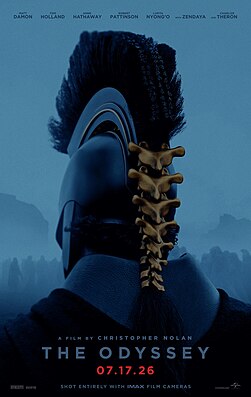
1. The Odyssey — Directed by Christopher Nolan
Christopher Nolan is one of my favourite directors, having delivered some of the most memorable films of the last decade, including Interstellar, Dunkirk, and Oppenheimer. His work is defined by ambition, scale, and a willingness to challenge audiences, which makes him a fascinating choice to adapt The Odyssey.
With a cast that includes Zendaya, Tom Holland, and Anne Hathaway, this already feels like an event film. At the same time, Nolan’s storytelling can be dense, and this is the kind of project where the narrative could easily become complex. I wouldn’t be surprised if I feel the need to read a short synopsis beforehand. Still, that’s part of the excitement Nolan films reward attention, and seeing a mythological epic through his lens feels like something that truly demands a theatrical experience.
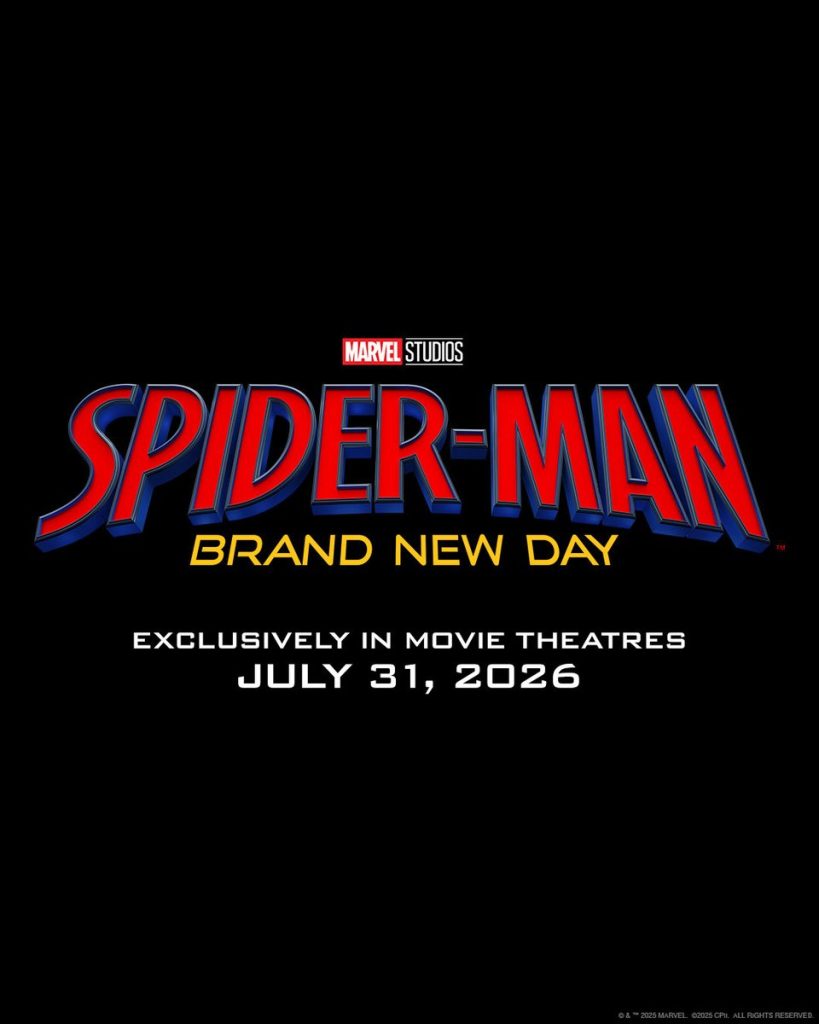
2. Spider-Man: Brand New Day — Directed by Destin Daniel Cretton
Spider-Man: Brand New Day promises a fresh start for Peter Parker, and much of that optimism comes from the director attached to the project. Destin Daniel Cretton may be best known to wider audiences for his work in the superhero space, but one of my favourite films of his is Just Mercy, which I watched earlier this year. Even though the film is a few years old, it left a lasting impression on me because of how grounded, emotional, and human it felt.
That background makes Cretton an especially interesting choice for Spider-Man. His strength lies in character-driven storytelling rather than spectacle alone, which is exactly where Spider-Man films tend to work best. Humour, emotion, and grounded action need to be balanced carefully, and Cretton has already proven he can handle heavy themes with empathy and restraint.
After years of multiverse-heavy storytelling, Brand New Day feels like an opportunity to strip things back and refocus on Peter Parker as a character. With a director who clearly understands emotional stakes, this film has the potential to feel personal again reminding audiences why Spider-Man resonates so deeply. If handled well, it could signal a much-needed tonal shift for superhero cinema.
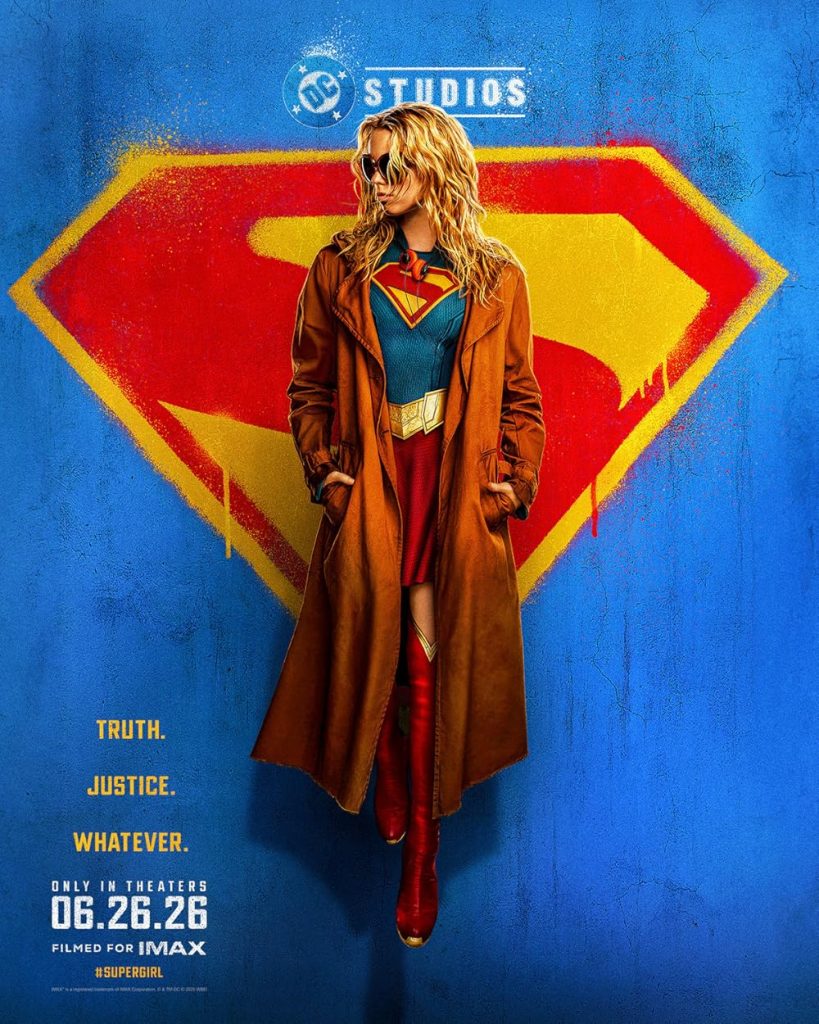
3. Supergirl — Directed by Craig Gillespie
Craig Gillespie directing Supergirl instantly caught my attention. I absolutely loved I, Tonya and thought it was a fantastic film sharp, energetic, and character-focused. That makes Gillespie an interesting and encouraging choice for a superhero project, especially one that needs to establish its own identity.
From the trailer alone, Supergirl looks visually impressive and tonally confident. Gillespie has a strong track record of bringing depth to flawed, complex characters, and that approach could work really well for Kara Zor-El. Having enjoyed the Supergirl TV series, I’m excited to see how this version expands on the character in a cinematic setting. If Gillespie can balance spectacle with personality, this could be a standout entry for DC.

4. Disclosure Day — Directed by Steven Spielberg
Steven Spielberg is another one of my favourite directors, and his involvement immediately elevates Disclosure Day. With classics like Jaws, Schindler’s List, and Saving Private Ryan under his belt, Spielberg has proven time and time again that he can handle both large-scale spectacle and deeply human stories.
That combination makes him an ideal fit for a film centred on a world-changing revelation. Disclosure Day appears to explore a global event that forces humanity to confront an uncomfortable truth, and Spielberg’s strength has always been grounding extraordinary events in emotion and realism. If anyone can turn a high-concept premise into something universally relatable, it’s him.
This feels like a film that could generate real conversation the kind that lingers long after the credits roll and it’s exactly the sort of project that benefits from being seen in a packed cinema.
5. Toy Story 5 — Directed by Andrew Stanton
Andrew Stanton returning to the Toy Story universe brings a mix of excitement and reflection for me. Stanton directed Finding Nemo, which is one of my favourite films growing up, and his ability to tell emotionally rich stories through animation is undeniable.
That said, Toy Story isn’t my personal favourite franchise from childhood, and there’s always a risk when a series continues for this long. However, Stanton’s involvement reassures me that this film is in thoughtful hands. Pixar has always been at its best when it balances humour with genuine emotional weight, and Stanton understands that balance better than most.
The teaser trailer looks promising, and if the film has a meaningful reason to exist rather than relying purely on nostalgia, Toy Story 5 could once again prove why Pixar remains so important to modern cinema.
There’s no denying that 2026 is filled with sequels, and that will always divide audiences. However, when studios are increasingly striking deals with streaming platforms like Netflix and selling off theatrical exclusivity, films like these show why cinemas are still essential.
From director-led epics to emotionally driven franchises, these movies are designed to be experienced on the big screen. If they deliver on their potential, 2026 could be the year that reminds people why leaving the house, buying a ticket, and watching a film in a packed theatre is still worth it.