

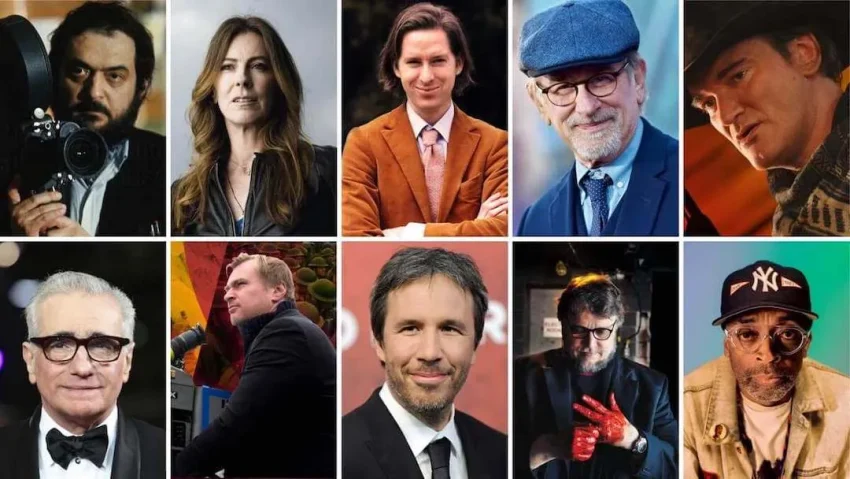
When I look back at the films that mean the most to me, certain names come up again and again. These directors may work in completely different genres, but they all create stories that stay with me in one way or another.
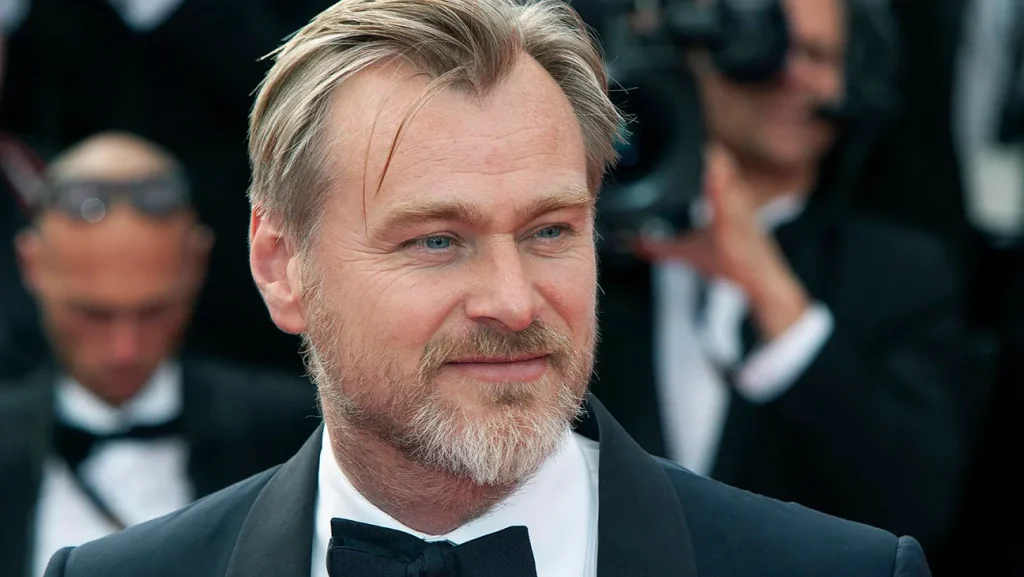
Christopher Nolan
Interstellar, Oppenheimer, Inception, Dunkirk
Nolan’s films were some of the first that made me aware of directors rather than just movies. There’s a scale to his work that feels rare, but what keeps me coming back is the emotional weight underneath it all. Interstellar still affects me more than I expect it to, and Oppenheimer felt intense and overwhelming in a way that stayed with me for days. Even when his films are dense or challenging, I like that he trusts the audience to keep up.
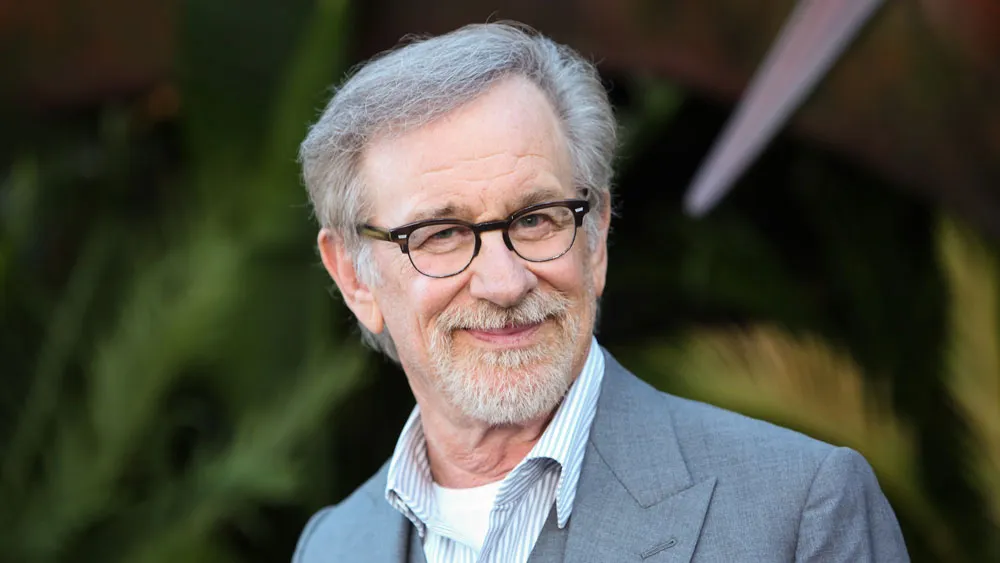
Steven Spielberg
E.T., Ready Player One, Jaws, Schindler’s List
Spielberg might be the clearest example of range on this list. He can create pure wonder (E.T.), blockbuster tension (Jaws), fun nostalgia (Ready Player One), and devastating historical drama (Schindler’s List). His films often feel deeply human, no matter the genre, and there’s a sincerity to his storytelling that never feels forced.
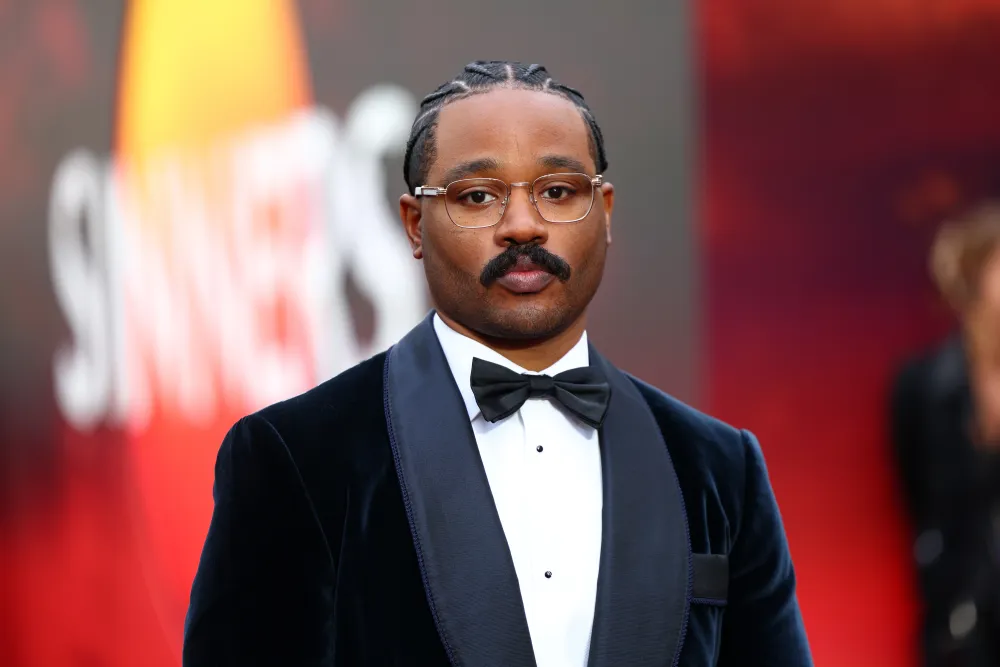
Ryan Coogler
Fruitvale Station, Creed, Sinners
Ryan Coogler’s films feel grounded in empathy. Fruitvale Station is incredibly difficult to watch, but it’s handled with such care that it never feels exploitative. Creed surprised me with how emotional it was, not just as a sports film but as a character story. There’s a sense that Coogler genuinely cares about the people he’s portraying, and that comes through in every project.
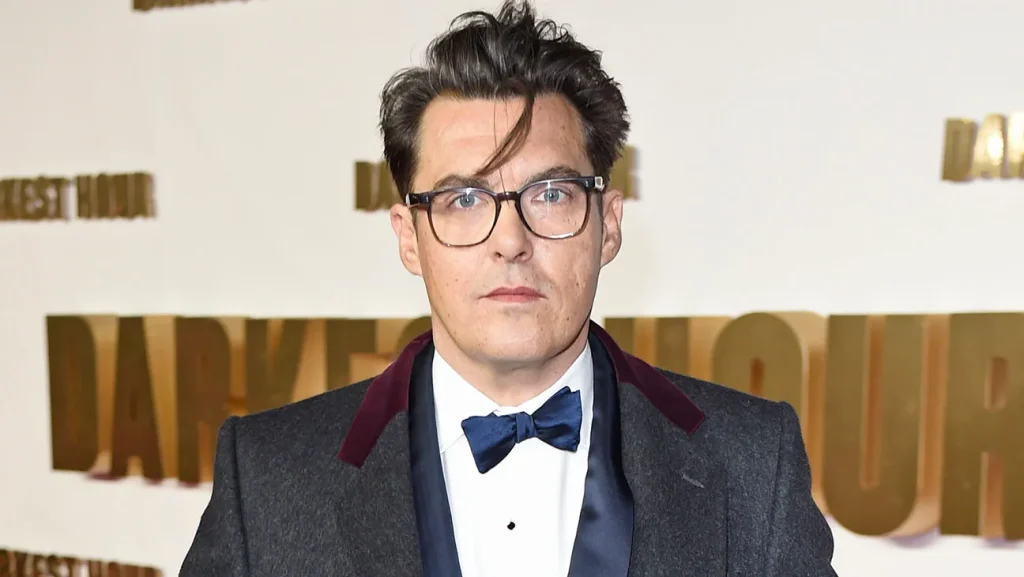
Joe Wright
Pride & Prejudice, Atonement, Hanna
Joe Wright’s films are often defined by atmosphere. There’s something about the way he uses music, movement, and silence that really pulls me in. Atonement is one of those films I think about long after watching — not just visually, but emotionally. Even Hanna, which feels very different from his period work, still carries that same attention to tone and detail.
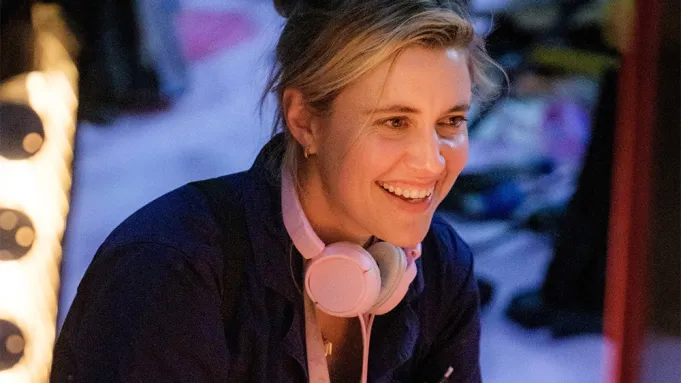
Greta Gerwig
Lady Bird, Little Women
Gerwig’s earlier films feel incredibly personal and specific, which somehow makes them universal. Lady Bird captures growing up in a way that feels honest and unfiltered, while Little Women feels warm and urgent at the same time. While Barbie didn’t fully work for me, I’m genuinely curious about her future projects — especially Narnia. I think she has an interesting voice as a director.
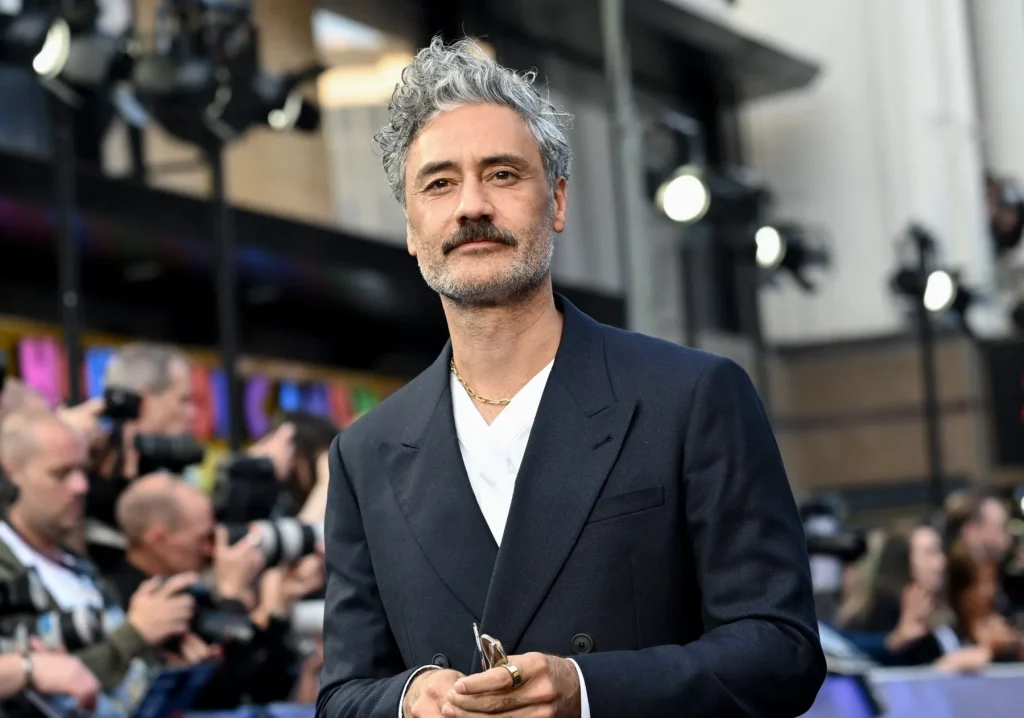
Taika Waititi
Hunt for the Wilderpeople, Jojo Rabbit
What I respond to most in Waititi’s work is his ability to balance humour with genuine sadness. Hunt for the Wilderpeopleis funny and heartfelt without ever feeling forced, and Jojo Rabbit takes a huge tonal risk that largely pays off. His films work best for me when they focus on character rather than spectacle.
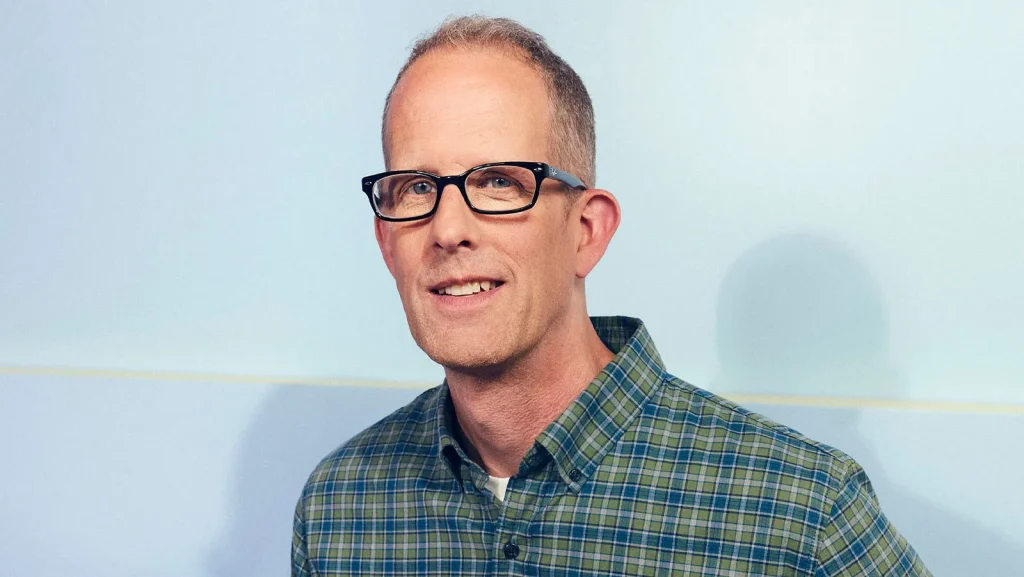
Pete Docter
Up, Monsters Inc., Inside Out
Pete Docter has an incredible understanding of emotion, particularly when it comes to explaining complex feelings in simple ways. Up manages to say so much in its opening minutes alone, Inside Out puts words to emotions most people struggle to articulate, and Monsters Inc. remains endlessly comforting. These films have aged with me in a way I didn’t expect.
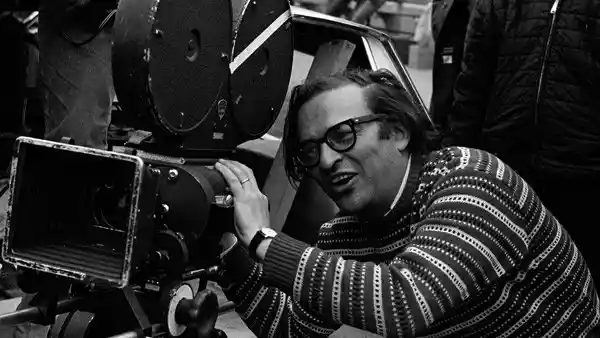
Sidney Lumet
12 Angry Men
12 Angry Men proves how powerful simplicity can be. One room, twelve people, and a conversation that becomes more intense with every scene. It’s a film that relies entirely on performance, dialogue, and moral tension — and it works flawlessly. It’s one of those films that reminds me why cinema doesn’t always need scale to be effective.
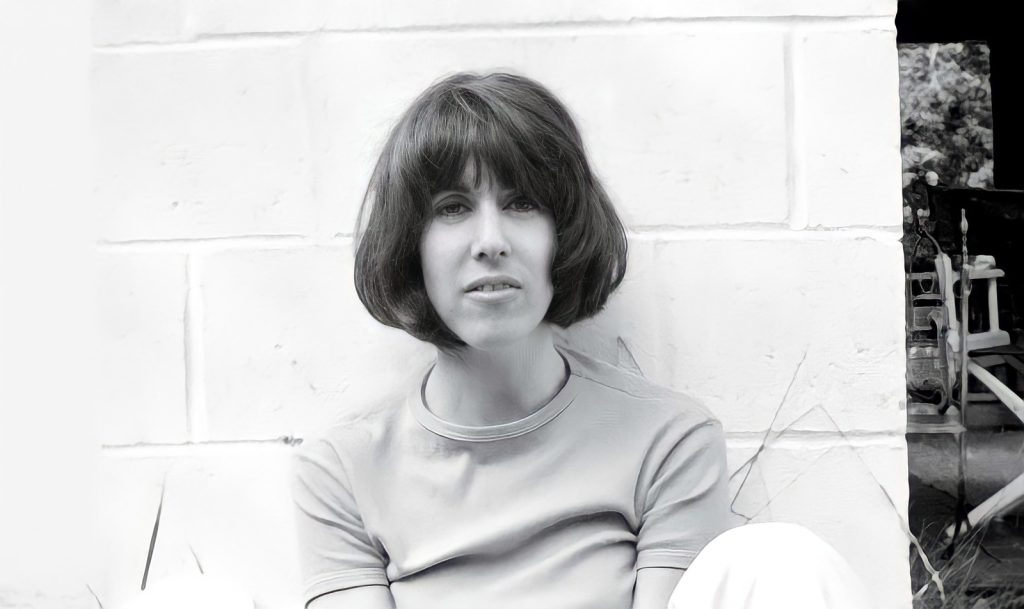
Nora Ephron
Sleepless in Seattle, You’ve Got Mail
There’s a warmth to Nora Ephron’s films that makes them endlessly rewatchable. They’re smart, comforting, and emotionally sincere without being overbearing. These are the kinds of films I put on when I want something familiar and reassuring, and that’s not something every director can achieve.
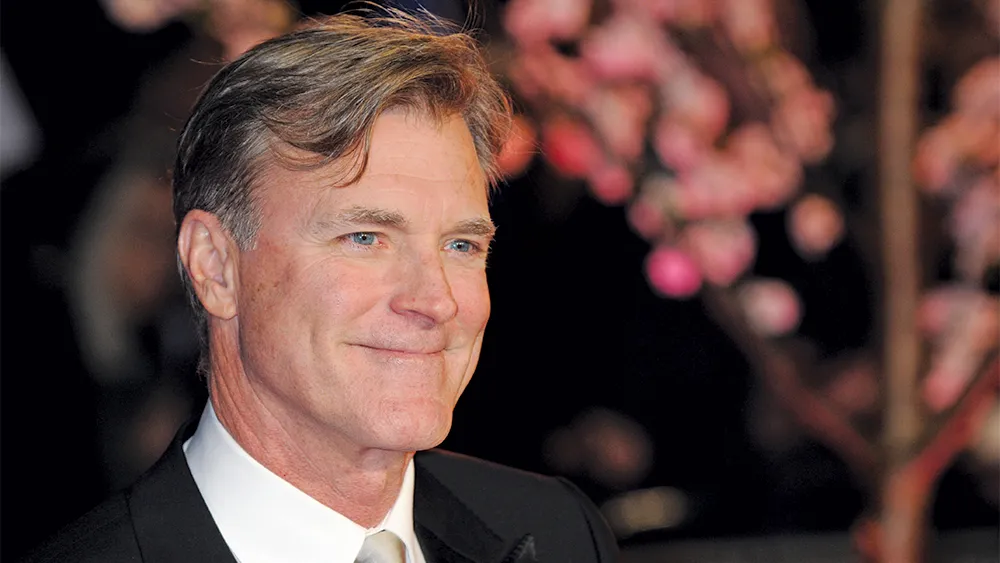
John Lee Hancock
The Blind Side, Saving Mr. Banks
John Lee Hancock’s films tend to sit quietly with you. Saving Mr. Banks stands out for how it balances nostalgia with something more reflective and bittersweet. His work isn’t flashy, but it’s emotionally accessible and often surprisingly moving.