

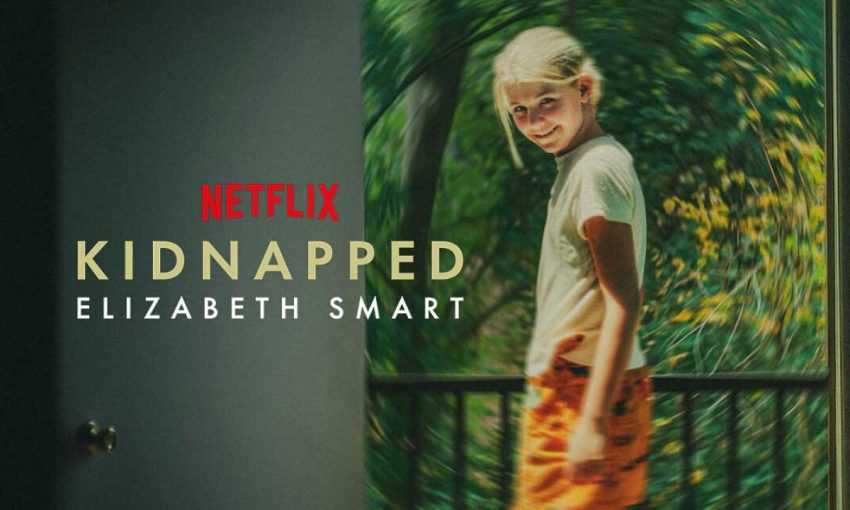
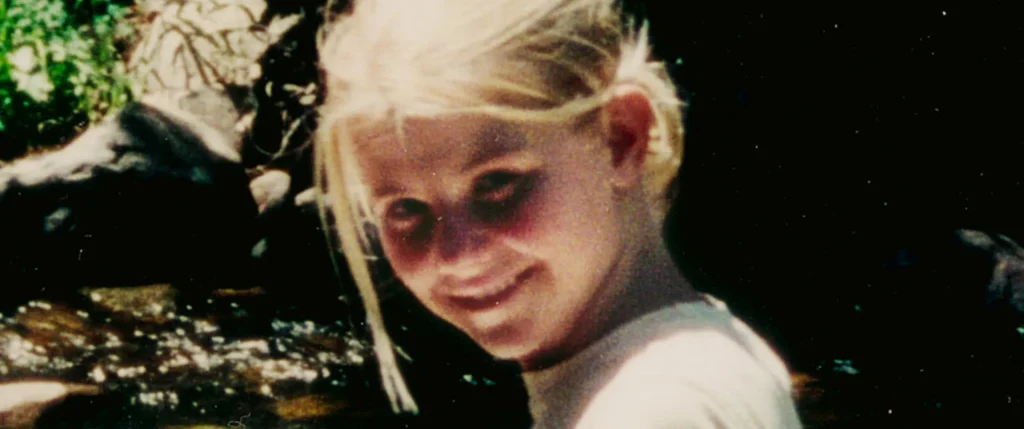
Netflix has built a formidable reputation for true-crime documentaries that linger in the public consciousness long after the credits roll, and its output continues to outshine much of the competition. Kidnapped: Elizabeth Smart, arriving at the start of 2026, is another unsettling but ultimately inspiring addition to that catalogue.
The documentary revisits the horrific events of 2002, when Elizabeth Smart, then just 14 years old, was abducted at knifepoint from her bedroom while her younger sister watched helplessly. For nine months, Elizabeth was held captive, repeatedly raped, and terrorised with threats that any attempt to escape would result in the murder of her and her family. It is an almost unbearable account, handled here with restraint rather than sensationalism.

Much of the film’s quiet fury is directed at the failures of the investigation. Police suspicion initially fell on Elizabeth’s family, while crucial evidence about the perpetrator was overlooked despite being close at hand. It was ultimately Elizabeth’s sister, Mary Katherine, whose memory of the kidnapper’s voice proved decisive. She recognised it as belonging to a homeless man known to the family. Against police advice, the Smarts publicised his name and a sketch leading to the arrest of self-styled preacher Brian David Mitchell.
What followed was another ordeal: a decade-long legal battle as Mitchell repeatedly claimed mental unfitness to stand trial, prolonging justice and deepening the family’s trauma. Yet the documentary never allows procedural detail to overshadow its emotional core.

That core is Elizabeth herself. Appearing on camera with remarkable composure, she recounts her experiences with honesty and clarity, while explicitly rejecting the shame imposed on her shame shaped in part by her strict Mormon upbringing. Elizabeth places responsibility squarely where it belongs: on her abductor. In doing so, she reframes her story not as one of victimhood, but of survival and agency.
Now 38, Elizabeth Smart is an outspoken activist for survivors’ rights and the protection of vulnerable people from predators. She stands as a powerful example of someone who was not consumed by unimaginable darkness, but who instead chose to seek light through advocacy, resilience, and quiet dignity.
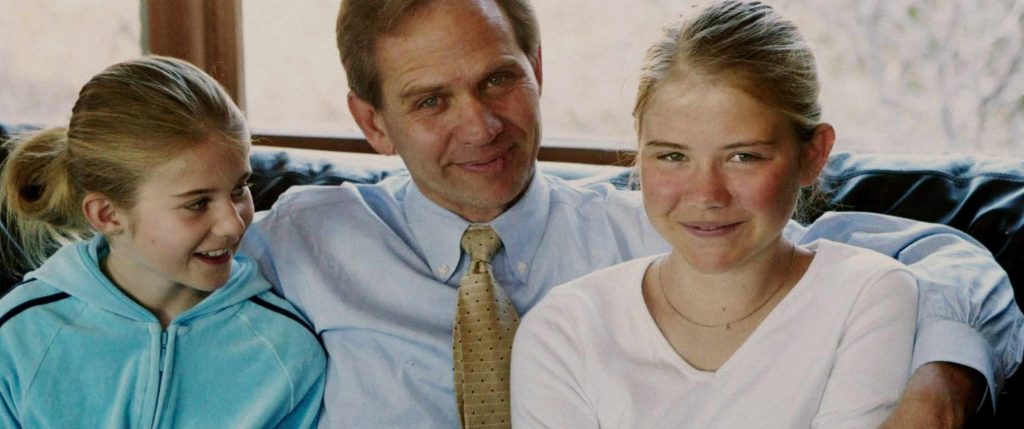
Disturbing yet deeply compelling, Kidnapped: Elizabeth Smart never feels exploitative. It is, above all, a portrait of courage and moral clarity, and a reminder that bravery does not always roar it sometimes speaks calmly, and insists on being heard.