


I normally enjoy crime dramas based on true events, but Under the Bridge left me unsettled in ways I didn’t expect. It wasn’t just the horror of the crime itself it was the fact that these kids, who committed something monstrous, also felt like products of broken homes and fractured identities. The series doesn’t excuse their actions, and neither do I. What they did to Reena Virk was heinous and unforgivable but the show does ask us to sit with the uncomfortable truth that cruelty can grow from pain, neglect, and alienation.
In some ways, it reminded me a little of Euphoria or Adolescence as the show explores the darker side of teenage life, where fragile identities and bad decisions collide but unlike those shows, Under the Bridge is rooted in true tragedy, which makes it even more haunting.
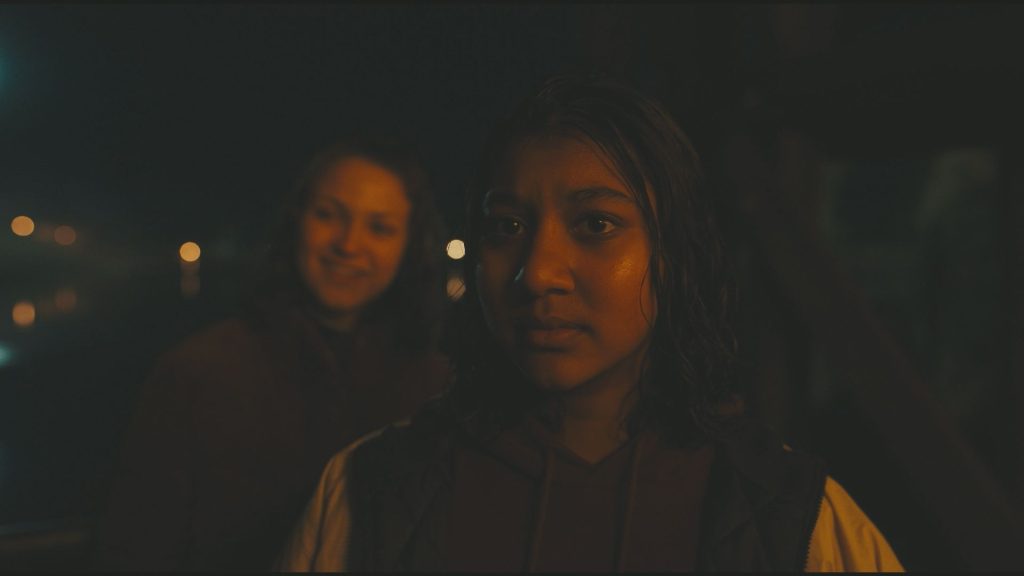
This eight-episode limited series, starring Lily Gladstone and Riley Keough, adapts Rebecca Godfrey’s 2005 book about the 1997 murder of Reena Virk in British Columbia. The basics of the case are true: Reena was lured to a gathering, attacked, and killed by strangers and peers she thought were her friends. Kelly Ellard and Warren Glowatski were the main perpetrators, and the brutality of what happened under that bridge is devastating to watch unfold.
As Rebecca Godfrey said about Warren Glowatski: if a 16-year-old has never had stability at home and becomes homeless through no fault of their own, how can we expect them to cope with such overwhelming emotions? It is no excuse but it is a mitigating factor.
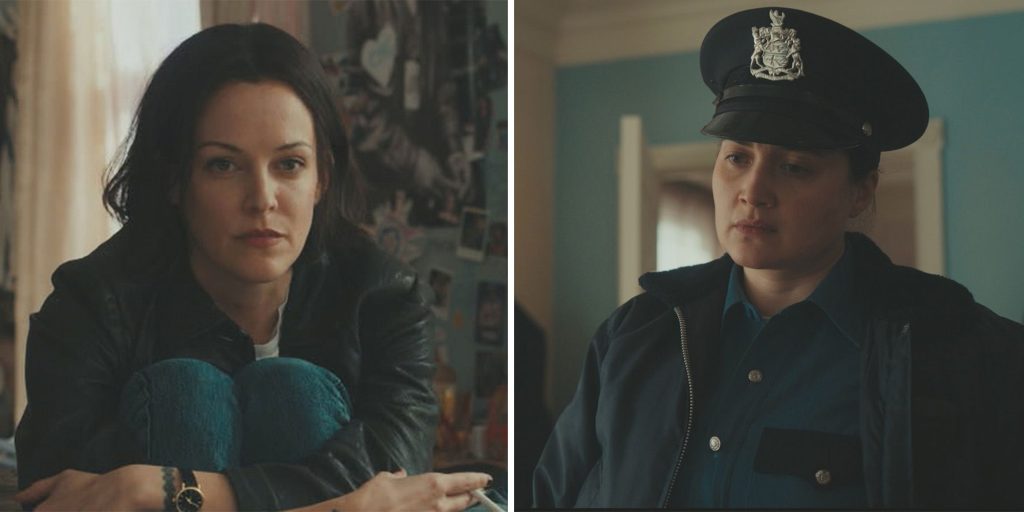
Where the show differs from reality is in its storytelling choices. Lily Gladstone’s character, Cam Bentland, is a fictional Indigenous police officer invented for the series. She brings a strong emotional center to the investigation, but she’s not based on anyone who actually worked the case. Similarly, while Rebecca Godfrey did write about the murder, her on-screen counterpart (played by Riley Keough) is portrayed as deeply entangled with the teens, even befriending them. In real life, her role was more observational and journalistic. These fictionalized threads help shape the drama, but it’s important to remember they aren’t literal history.
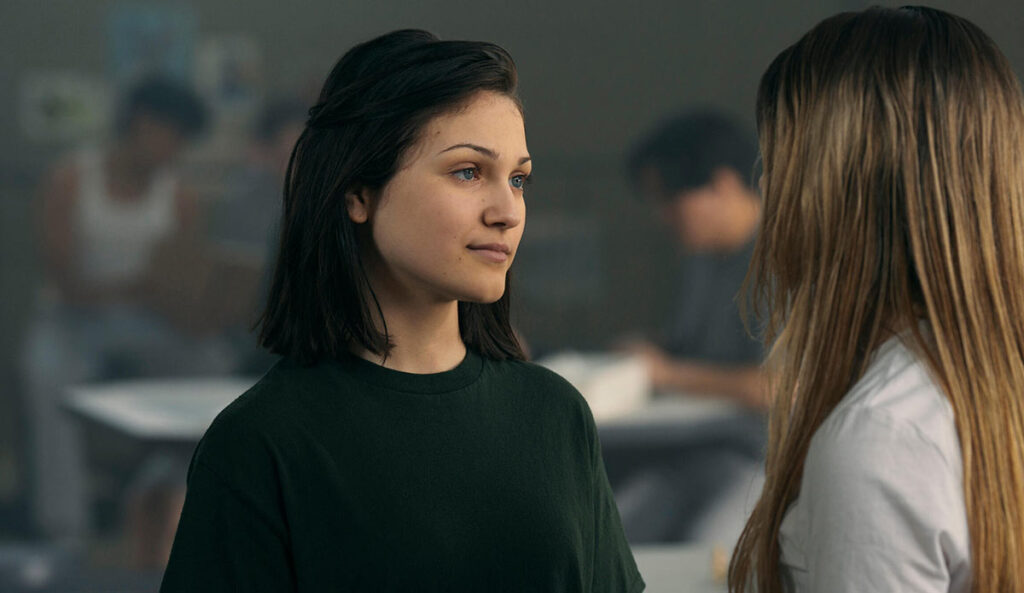
The acting is what truly elevates Under the Bridge. Chloe Guidry is menacing as Josephine, the so-called alpha of the group but it’s Izzy G as Kelly Ellard who steals the spotlight. Izzy’s performance is chilling, reminding me of Tom Holland in The Crowded Room with her ability to embody fractured psychology. She convinces us Kelly isn’t just reckless she’s truly dangerous. Riley Keough surprised me as Rebecca Godfrey; she captures the uneasy role of an outsider trying to make sense of this tragedy while questioning her own motivations and Lily Gladstone’s character didn’t wow me, but she was brilliant in the way she played it, grounding the show with a quiet intensity.
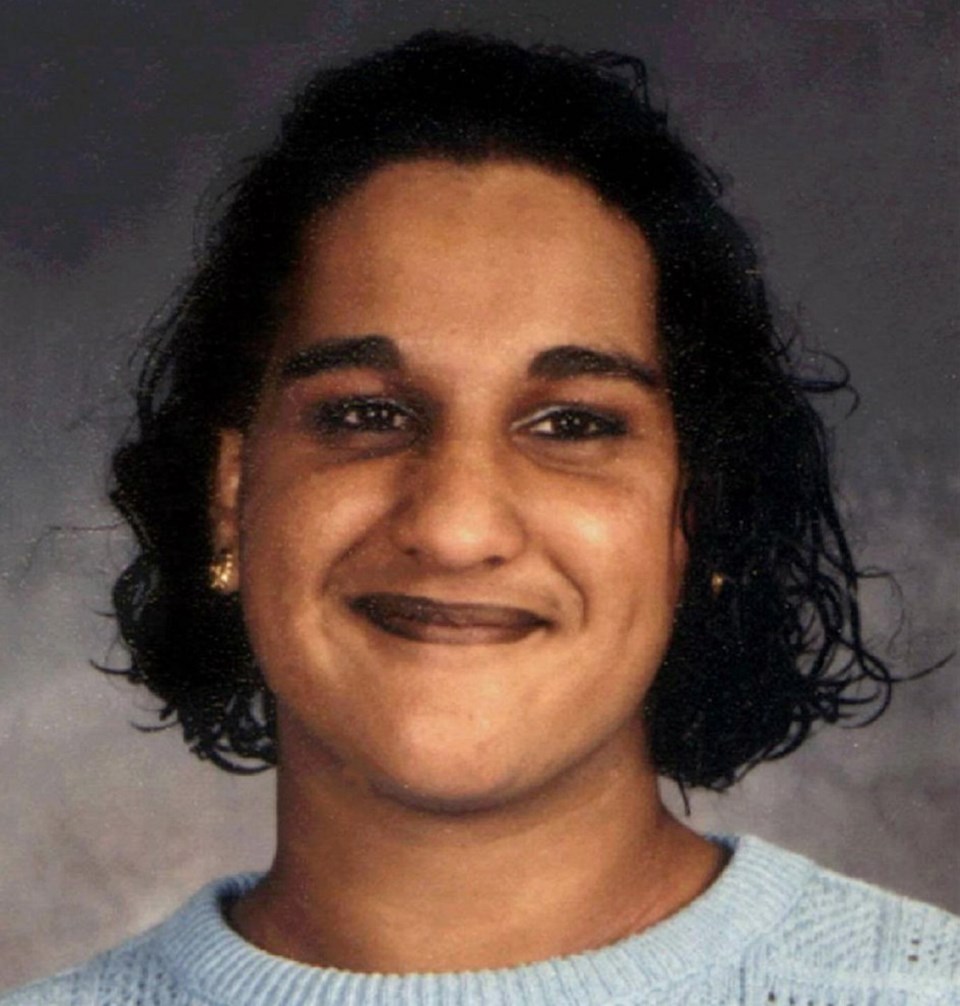
What makes Under the Bridge powerful isn’t the crime alone it’s the empathy woven into the storytelling. The show doesn’t sensationalize Reena’s death or glorify police work. Instead, it lingers on the themes of belonging, cruelty, and what happens when vulnerable kids search for identity in the wrong places. It’s bleak, but it’s also thoughtful.
For me, Under the Bridge isn’t just a true crime adaptation it’s a cautionary tale about adolescence, peer pressure, and how easily cruelty can spiral when kids feel unseen. It’s not a comfortable watch, and maybe it shouldn’t be.