


I normally don’t like football documentaries, but this one pulled me in. Maybe it’s because the story isn’t about goals, trophies, or tactics it’s about the human cost of financial ruin. The focus on the players themselves, their vulnerability, and how they’ve coped since makes it more than a sports documentary. It feels like a cautionary tale and as a Fulham supporter, it struck me even more, because two of the players featured wore the white shirt I cheer for every week.

You can’t help but feel sorry for the former Premier League names who feature: Danny Murphy, Rod Wallace, Craig Short, Tommy Johnson, Brian Deane, Michael Johnson, and Sean Davis. Back then, football wages were good, but not astronomical like they are today. As Brian Deane put it perfectly, “having money meant being able to buy a house or paying off your parent’s mortgage.” That’s the level of wealth we’re talking about comfortable, but not invincible.
Enter Kingsbridge Asset Management. Founded by David McKee and Kevin McMenamin, the company sold itself as a safe haven for players’ money. With managers and teammates also trusting them, it’s not surprising so many were drawn in. But their “house of cards” investment schemes, film tax exemptions, property developments in Florida, and eventually aggressive scrutiny from HMRC came crashing down. The fallout left players with staggering tax bills, wrecked finances, and emotional scars. The V11, the group at the center of the documentary, represent countless more who were caught in the same trap.
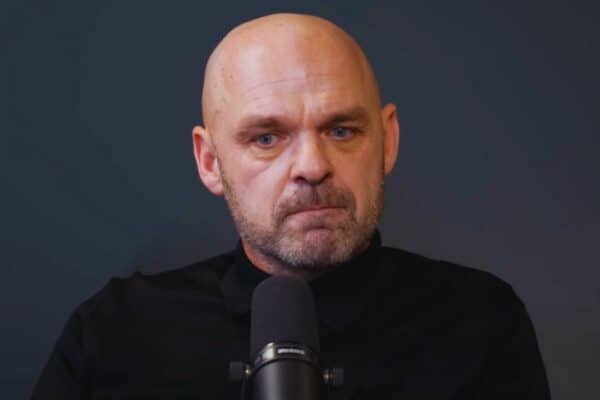
What makes the film work is that it doesn’t get bogged down in dry financial detail. Instead, it confronts the personal side: addiction, mental health, and strained family lives. Murphy openly discusses his reliance on drink, drugs, and gambling. Davis reflects on the toll on his mental health. These confessions hit harder than any balance sheet. And the reason I single out those two is because they both played for Fulham, the club I support, which made their struggles feel even closer to home.
The documentary also highlights the uneasy role of HMRC. Their pursuit of unpaid tax is portrayed as relentless, sometimes to the point of cruelty. Yet there’s a bitter irony in the City of London Police investigating Kingsbridge, recognizing the players as crime victims, but still not finding enough evidence to prosecute. It leaves a sense of injustice hanging in the air justice for no one, consequences for everyone.
What keeps the story balanced are the outside voices: a therapist, a legal representative, and other commentators who provide depth and perspective. They remind us this isn’t just about football it’s about trust, greed, and a system that failed to protect vulnerable young men in the spotlight.
In the end, the documentary isn’t just an exposé it’s a conversation starter. It challenges the stereotype of footballers as endlessly wealthy and careless, and shows how quickly fortunes can turn. For me, that makes it one of the most important football documentaries I’ve seen, even as someone who usually avoids them.