


The Perfect Neighbour is an intriguing and unsettling take on a true-crime documentary, told almost entirely through the bodycam footage of Florida police officers. It offers a raw, unfiltered look into the tragic events surrounding the fatal shooting of Ajike “AJ” Owens, a Black mother of four, by her white neighbor, Susan Lorincz.
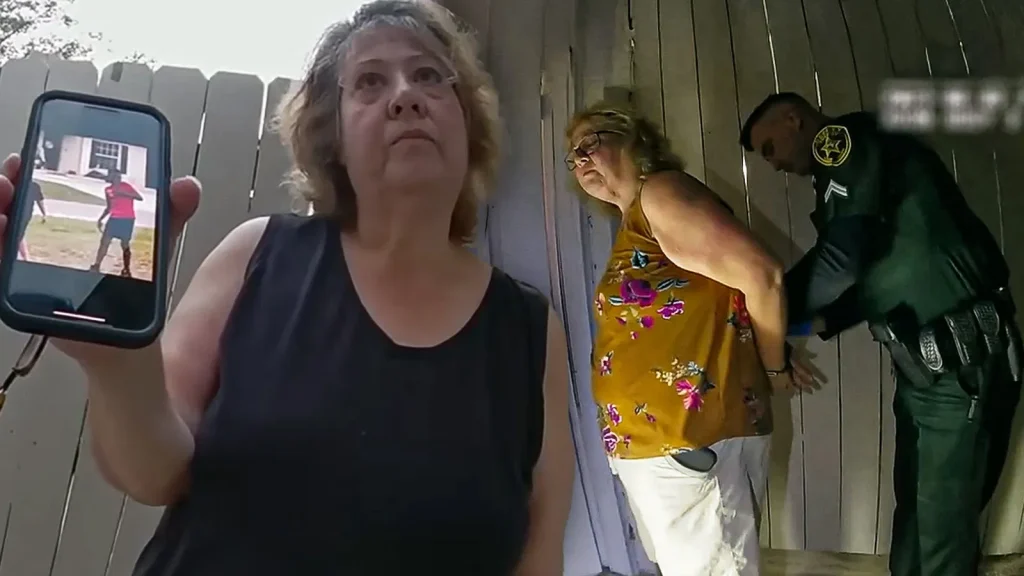
The story is shocking and deeply emotional. Lorincz accused Owens’ children of harassing her, yet there was no evidence to support those claims. In 2023, after numerous disputes that repeatedly drew police attention, Lorincz shot Owens through her closed front door when Owens came to confront her for throwing roller skates at her kids. The film doesn’t shy away from showing the disturbing escalation that led to this avoidable tragedy.
Lorincz is portrayed as increasingly unstable and erratic. I agree with the judge’s conclusion that her actions stemmed more from anger than genuine fear. It’s chilling to learn that, before the shooting, she had researched Florida’s “Stand Your Ground” law a piece of legislation that allows people to use deadly force if they believe they’re in imminent danger.
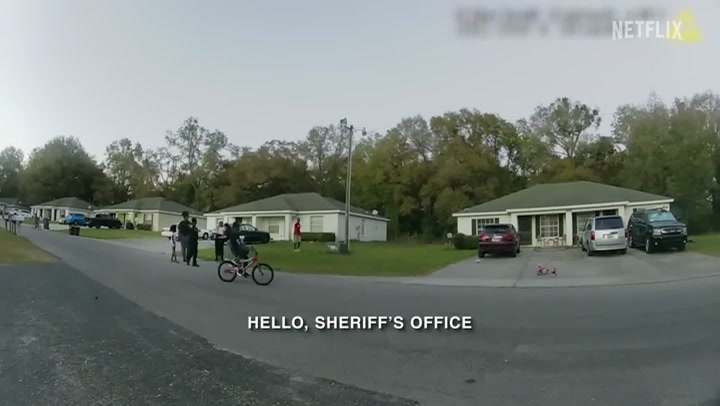
What makes The Perfect Neighbour powerful is how it uses real police footage to piece together the narrative from repeated callouts to the crime itself, and then to Lorincz’s cold, detached questioning in custody. During the police’s repeated visits, they often sided with the children’s parents, but I do understand where they were coming from they couldn’t really do much because it was a “he said, she said” type of situation. She wasn’t even arrested or charged when the officers first arrived at the crime scene; instead, they briefly detained her and even offered her a hotel room for the night to keep her away from the home.
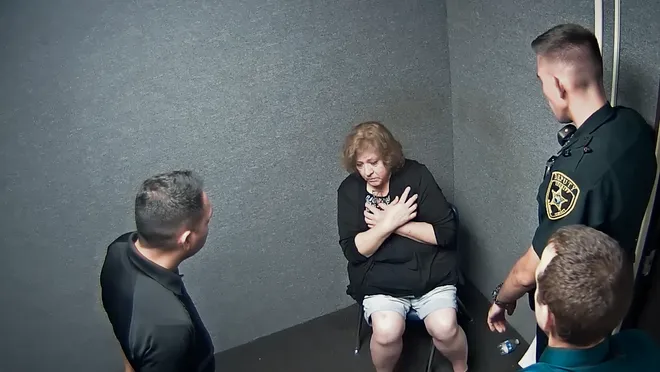
One major flaw, though, lies in the police interview scenes. The detectives appear detached and unprepared, failing to ask key questions such as where the gun was kept or whether it was loaded beforehand. These omissions feel careless, especially given the gravity of the crime. Even after admitting to the shooting during her 911 call, Lorincz still wasn’t taken into custody immediately a shocking detail the documentary highlights without commentary.
In the holding cell, Lorincz refused to stand or present her wrists for the handcuffs. Her reaction seemed less like resistance and more like a visible sign of emotional and mental instability.
The documentary closes with the jury’s verdict revealed during the end credits, leaving viewers with a haunting reflection on race, justice, and the failures within the system.
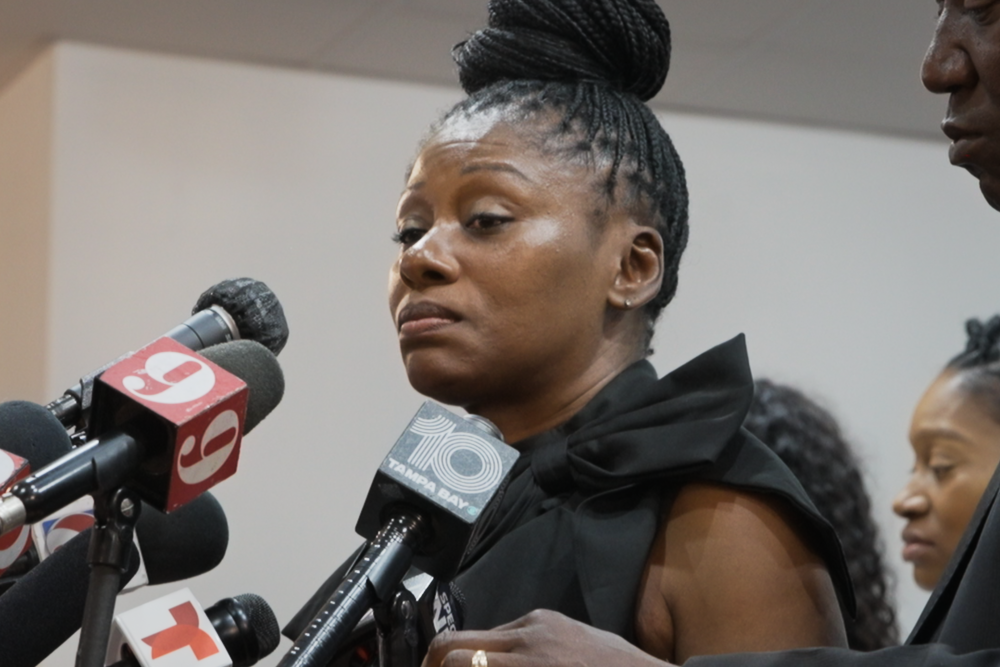
The Perfect Neighbour isn’t an easy watch, but it’s a gripping and necessary one that forces you to confront the uncomfortable truth about fear, prejudice, and accountability in modern America. It leaves you questioning not just the events of one Florida neighborhood, but the broader systems that continue to fail those seeking justice.