

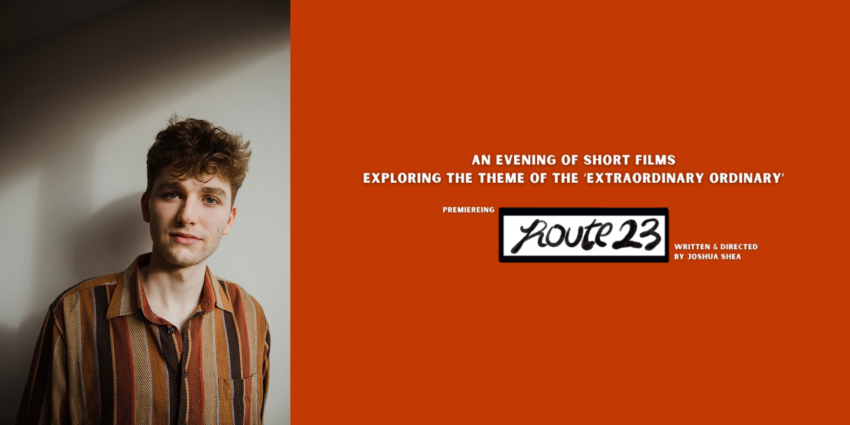
Filmmaking often looks glamorous from the outside the finished frames, the festival screenings, the cinematic escape. But as director and actor Josh Shea reminds us, the reality is far more grounded. It’s early mornings before sunrise, coffee in hand, and a quiet moment of disbelief where you ask yourself, what are we actually doing?
In this exclusive interview, Shea opens up about the deeply practical and surprisingly human craft behind filmmaking. From the inspiration behind his short film Route 23, a tender story about a bus driver forced to find his voice, to his early experiences stepping into the Wizarding World as a young Newt Scamander, Shea speaks with curiosity, humility, and a clear love for the making process itself.
What emerges is a portrait of an artist fascinated by the ordinary: buses as safe spaces, model trains as storytelling tools, and characters who dream quietly while the world rushes past them.
It’s a conversation about craft over spectacle, collaboration over ego, and why sometimes the most magical stories begin in traffic.
What’s something about filmmaking that people would be surprised to learn?
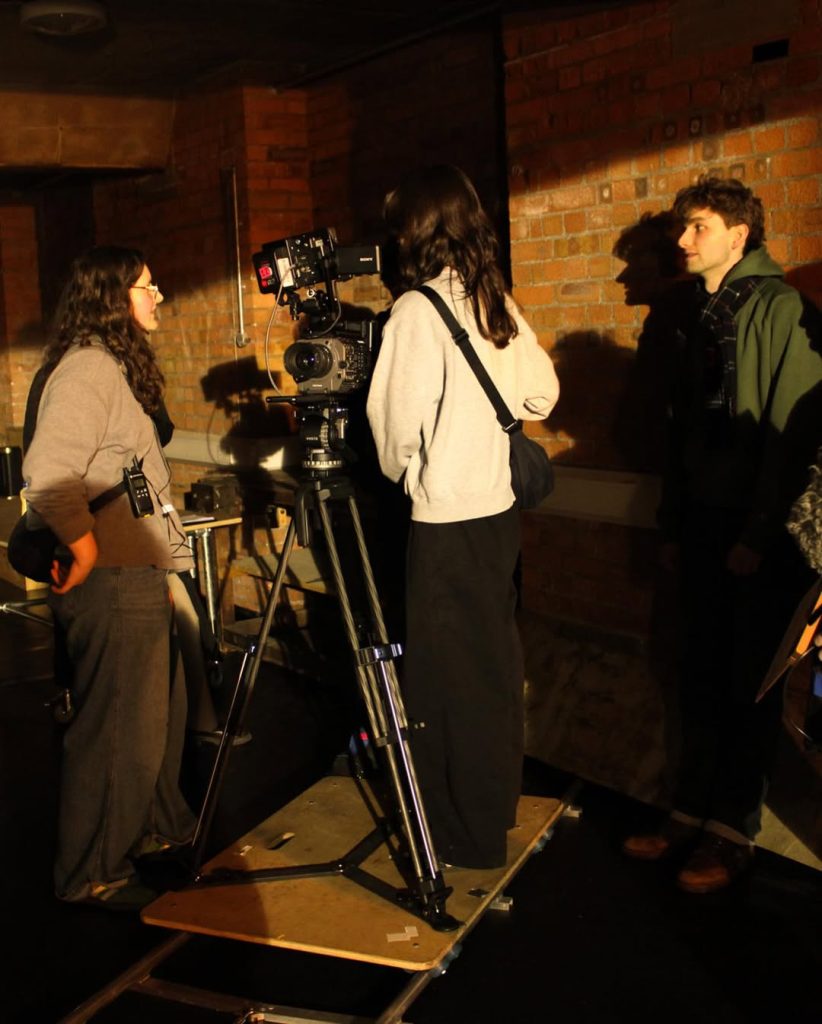
My first instinct would be how much of a craft it is in terms of just the making process.
I think it’s because we see it on the screens, and the making of it feels very down to earth. In some ways you wake up really early often before it’s even light, and you’re just having a coffee, and you’re like what are we doing?
It’s a fun invention and quite invigorating. Everyone’s working together as a team to kind of build this, build this story.
For anyone who hasn’t seen Route 23 yet, what would you say it is about?
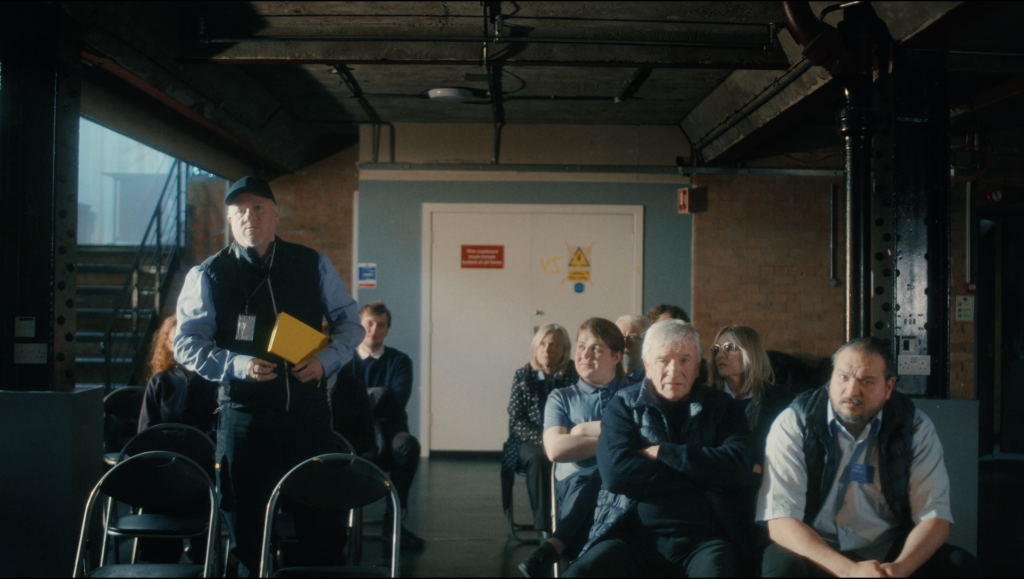
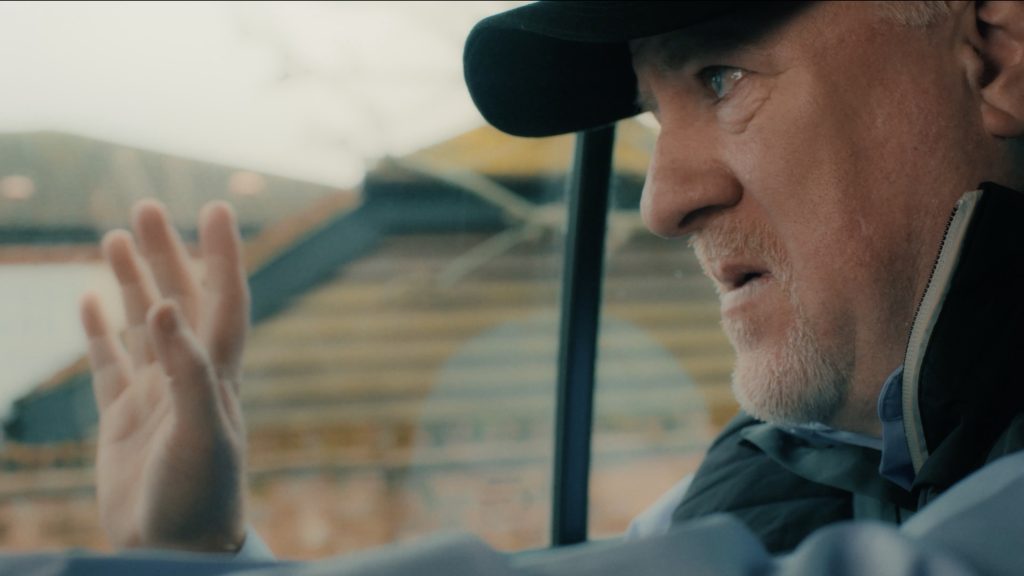
It’s all about a bus driver called Greg, who basically is forced into a position to stand up for himself, when his route is facing closure. It’s a story about finding your voice and about standing up for what you believe in. I wanted to tell a story of someone very ordinary.
What inspired the story behind Route 23?
I was stuck in traffic, and I saw this bus driver with a notepad. He was scribbling away in it. I didn’t quite know it could have been something to do with the route, it could have been his own kind of thoughts, but I think it inspired this intrigue into the life of something that I haven’t seen loads of before.
I think something about the mundanity of driving, and it struck me because also I was sitting in my car thinking about stories. I resonated with that.
Was there a particular scene in Route 23 that was especially meaningful or difficult for you as a director?
The poem scene was, was particularly special. Martin who’s the actor did such a great job. I think bringing humanity to it as well because on paper someone could have done quite cheesily but there’s this natural authenticity to the way that he says it.
I think that’s what I was after in some ways it is a slightly cheesy film, but hopefully in a way that you find that everyone loves a bit of cheese, but you don’t want to over-cheese it. It’s a weird balance of like finding the sentimentality but also making it feel real and ordinary and just the normal stakes.
Have you ever been fascinated by buses or trains or a trainspotter?
I feel like it’s every like child’s dream. I don’t know about you, but maybe it’s just me, has gone through the digger phase and then the train driving phase. I remember quite vividly one, because I never lived in London growing up, but I always very much looked forward to going on the double decker bus. I think partly because you can sit up on the top deck and look out at the view. That was something that I’d often do with my nan. I think somewhere in me, the buses feet like a safe space.
When you start a new project, do you begin with theme, character, or visuals?
I think every story is different. For this one I guess theme because it was the idea of the bus, but also the concept of someone wanting to dream bigger than what they’re doing.
Dreaming in the midst of the mundane. I think often it’s those little kind of resonance seeds that start a story. It evolves because you have to work out what could the story be?
It’s good fun sometimes you just get a character.
You played a young version of Newt Scamander in The Crimes of Grindelwald. What was it like stepping into a character that is so beloved?
It’s obviously completely surreal when you get the opportunity to work on a big set like that especially because the Harry Potter films and it’s what I grew up on.
From a filmmaking perspective, I’d often watch the behind the scenes.
The processes and to actually be there and at the studio in Leavesden and see the sets for real. There’s so much craft that goes into it and I think that of ignited my love for the making process because I was like’ ‘oh, wow, there’s these incredible people that just, their lives are dedicated to these specific jobs.
From my experience I mean Eddie Redmayne was lovely to work with as well. I think if you’re playing a role that’s just your own you have no support in some ways, or there’s no reference point. Whereas I was able to learn from someone who’s a pro at their job and find process techniques from him. That was good fun.
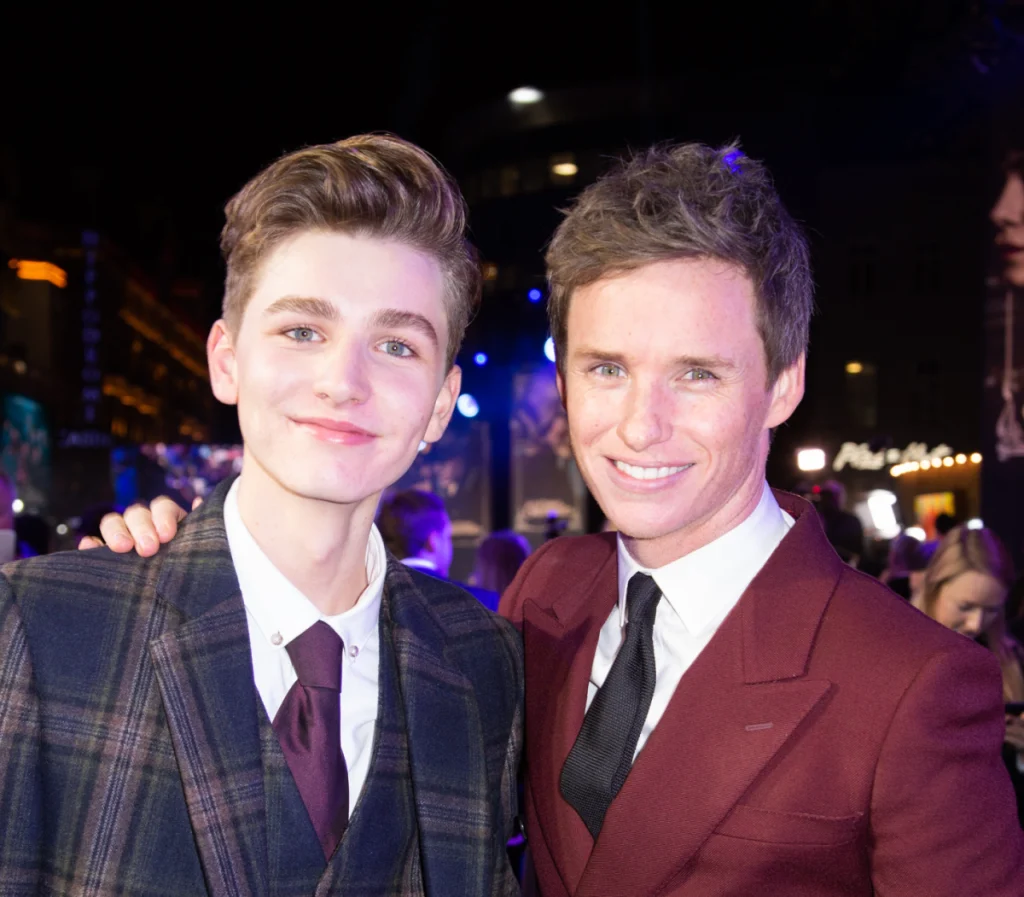
What was the one thing that you learned from Eddie Redmayne that has stuck with you today?
I think that inquisitiveness and the care for the detail. He’ll take a script and will digest it and sit on it. That’s something I’ve seen with lots of actors that really love their work.
There’s this inquisitiveness and questioning all these different elements of a character and having opinions about what the character would and wouldn’t do and say. That’s cool.
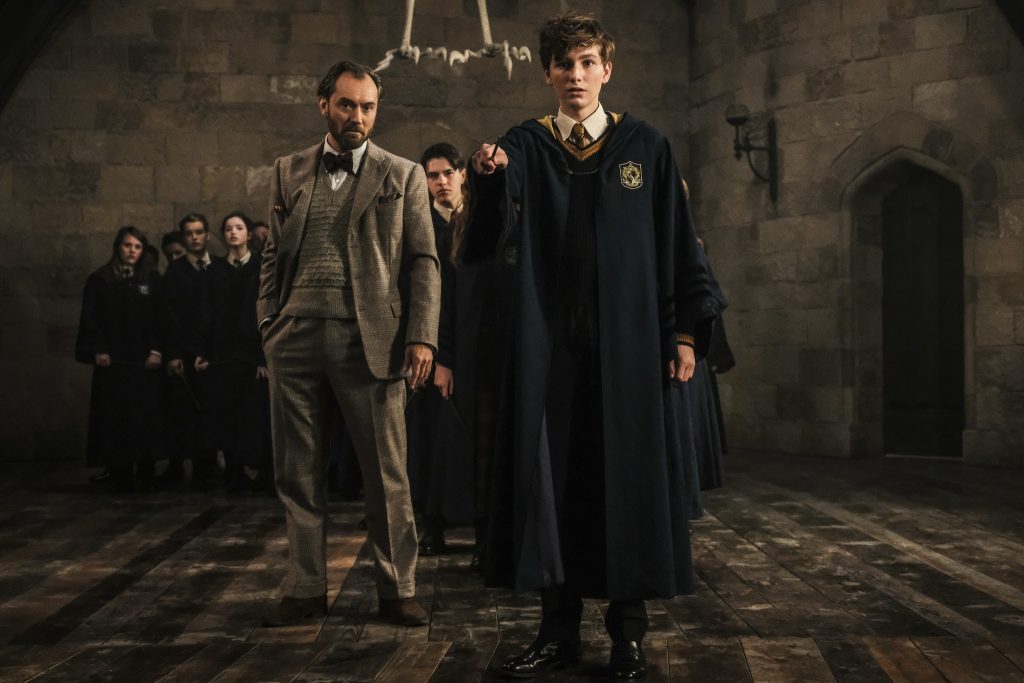
Was there a moment on set when it really hit you that you were part of the Wizarding World?
It’s actually before my shooting day, but I remember Eddie Redmayne took me on a set tour which was quite surreal because it was just like me wandering around the set with, with him. He just knows everyone by name, which is why it was very impressive. When you’re in the company of someone who’s obviously very well respected and I think we met David Yates, who directed on it. We were just standing there talking about where I was going to be performing and what the scene was. It was this crazy experience where you’re like I feel I’m in the behind-the-scenes.
Nyah (Over the Shoulder): That’s probably what you want.
You want the juxtaposition of having the model trains, but then having the real-life aspect to it. You’ve got both animations, but also the acting aspect as well.
Josh: There’s a really lovely film actually it’s called A Beautiful Day in the Neighbourhood. It stars Tom Hanks in its and a feature film.
I’d recommend it if you haven’t seen it but the director in it uses a little model set in it as well for different reasons. I think it’s all about him zooming into like a children’s universe but there’s something quite magical about the way they use it in the film to have a parallel the live action with this otherworldly thing. I think it’s quite charming.
Is there a question that you would like to be asked but never have been?
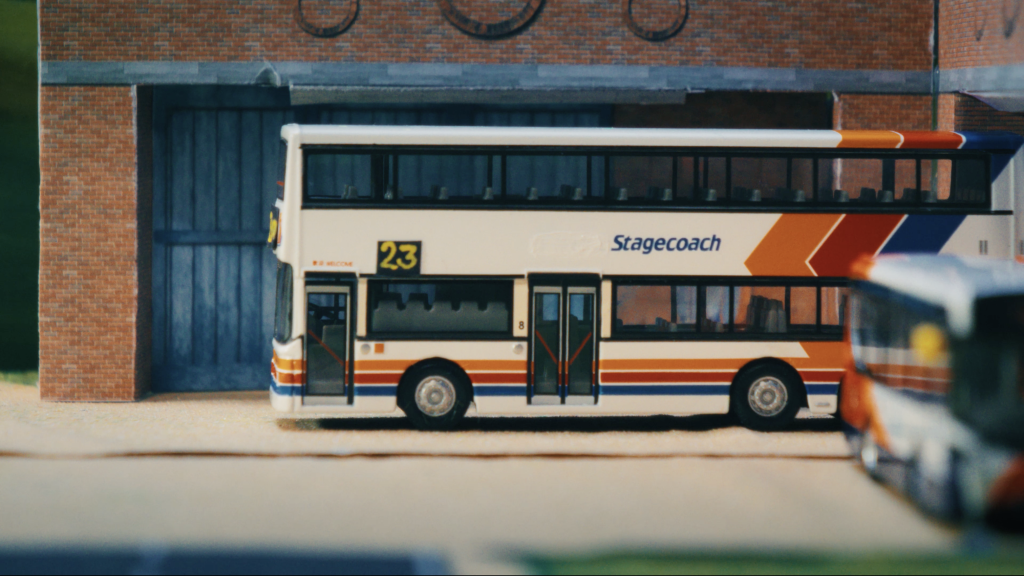
Not particular but it brings back memories of my childhood and how the Route 23 story came about. My dad always used to make model railway sets.
I was so resistant to helping him as a kid. I was so funny because it was in the cold part of the house that never had the heating on and now it’s come full circle now and now, I’m doing filmmaking stuff. I’m here making little models.
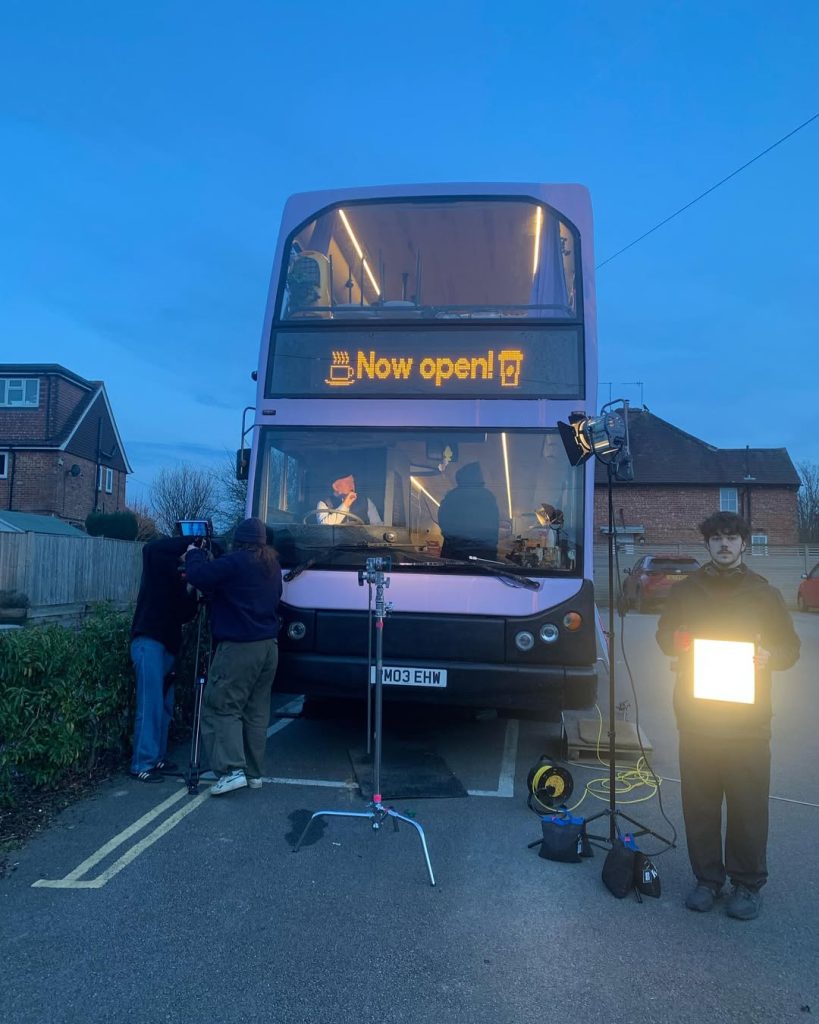
It was that it came about because we had to find a way to film on the bus because we realised about a week before shooting that we weren’t going to be actually able to film with the bus moving. It came out of a technical necessity to make the bus move.
That’s how we did it in the end. We made a creative choice to go okay let’s create a little model world.
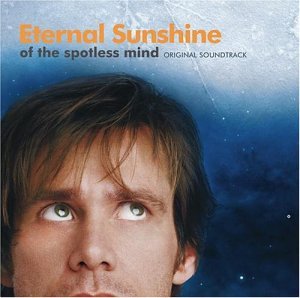
What would you say your top favourite films of all time is?
I do love like a good magical realist film Sunshine of a Spotless Mind.
About Time. I think a lot of these films is taking inspiration from a lot of British dramedies.
Do you want to act more in the future?
I still work with my agent and going up for different auditions. What I love about the industry is that you’re able to work on other people’s projects and also work on your own. I think that in a dream universe it would be great to be able to part of other people’s creative worlds as well as my own. A lot of my creative energy this year has been developing my own craft as a director and I’ve really loved that.
Would you want to do a musical biopic as you love creating music?
I think any excuse to get the guitar out and play some music. It’s almost quite exposing as well because it’s not just your acting, but it’s the singing. It’s definitely a bit of a challenge, but definitely a fun one.
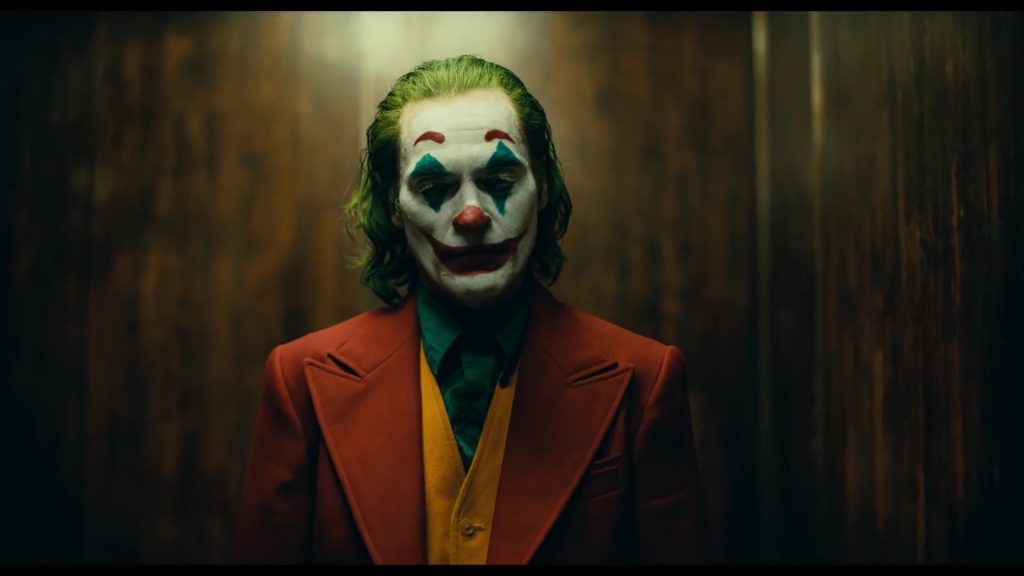
Is there a character that you would like to play. It could maybe dead or alive?
We were doing this acting exercise at university and I just whipped out some classic scenes. One of the ones that came up was the Joker scene (the one with Heath Ledger). I quite enjoyed that it was a bit crazy. They were like, ‘oh, Josh this dark side, it’s come out of you, didn’t realise that you had it in you.’ I think it’s quite nice to do something that’s very different. So maybe the joker.
What do you think the future as in store of independent filmmaking?
The future of independent filmmaking hopefully some more funding and some more support. I was talking to this DP (director of photography) friend of mine yesterday and we were talking about the desire just to make stuff and to in some ways not wait and not have to wait for the right person to give you that kind of green light and permission.
I think sometimes, for me at least the future is trying to find really economically best way to produce something that’s really high quality. I don’t know whether there’s going to reduce budgets for projects. I guess technology is getting better as well. CGI and things VFX and are becoming more accessible. I’ve even found that with projects that I’ve worked on, that there are great tools out there that are quiet user friendly and accessible if you have the time to learn it.
I’m encouraged that maybe things 10 or 20 years ago would be you’d have to have so many thousands of pounds to have access to are now available. I’m just hoping that I can keep making stuff and being able to tell stories. In terms of the future of it in general, I mean I’m hoping that the streaming service existence doesn’t kind of tear the creativity out projects.
What kinds of stories are you hoping to tell next?
I always feel my films like Route 23 is quite dramatic and drama led with a touch of comedy. I wouldn’t say I’m full-blown comedy its elements of humour and the humour in the everyday.
This feature that I’ve written is actually called The Death of Me at the minute that’s the working title. it’s quite comedic. It’s all about death. I remember reading this book about this forensic pathologist, and I wanted to write something about how we deal with this big thing in life. I’d its leaning into absurd comedy and dark comedy.
At the heart of Josh Shea’s work is a belief that big stories don’t need big worlds they just need care, curiosity, and a willingness to look closer. Whether he’s building miniature bus routes out of necessity, learning from Eddie Redmayne’s meticulous attention to detail, or writing darkly comic stories about death, Shea approaches filmmaking as a shared act of invention.
His reflections reveal something quietly radical about independent cinema today: you don’t always need permission to create, just persistence and imagination. As tools become more accessible and stories more personal, Shea’s hope is simple to keep making things, keep telling human stories, and keep finding magic in the mundane.
If Route 23 is any indication, the journey ahead may be modest in scale, but it’s rich in heart and very much worth taking the ride.