

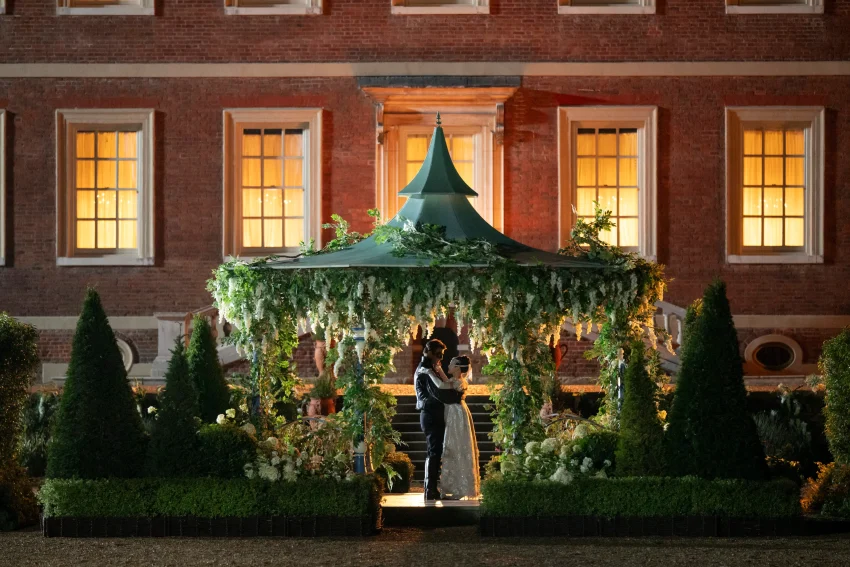

Bridgerton is back, and this season arrives with intention. Yes, it’s sexy. Yes, the chemistry is undeniable. But beyond the fan frenzy and viral clips, part one of the new season feels like a story about visibility who gets to be seen, who remains hidden, and what it costs to want more.
Compared to last season, there’s a confidence here that feels earned. The romance is heightened, the pacing sharper, and the emotional stakes more deliberate. Some moments feel like a direct nod to classic period drama particularly scenes echoing Pride and Prejudice. The rain, the lake, the lingering looks: these are moments designed to be felt as much as watched, and fans have latched onto them instantly.
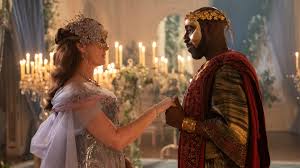
One of the season’s strengths is its range of relationships. Francesca and John offer a quieter, more restrained romance that feels almost radical in a show known for excess. It’s soft, composed, and emotionally grounded. In contrast, some of the most compelling scenes belong to Violet Bridgerton and Lord Marcus Anderson.
Violet, portrayed with warmth and depth by Ruth Gemmell, has quietly become the emotional anchor of the series. Her storyline explores desire later in life without irony or apology, and it’s a reminder that longing doesn’t fade with age it simply deepens.
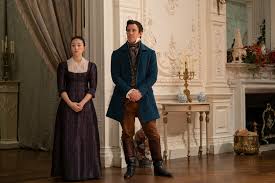
One of the quiet standouts of Part One is Yerin Ha, whose performance brings a grounded emotional clarity to the season. Opposite Jonathan Bailey, her chemistry feels intentional rather than explosive built on restraint, timing, and trust. T
There’s a particular scene where the two share a moment of stillness rather than dialogue, the kind Bridgerton doesn’t always allow itself, and it’s here that Ha truly shines. Her performance is subtle but expressive; a shift in posture, a held gaze, a pause before speaking. She understands when to pull back, letting the emotion sit rather than forcing it. Against Bailey’s natural intensity, her calm presence creates balance, and together they offer a connection that feels earned rather than rushed. It’s a reminder that chemistry doesn’t always need grand gestures sometimes it lives in what’s left unsaid.
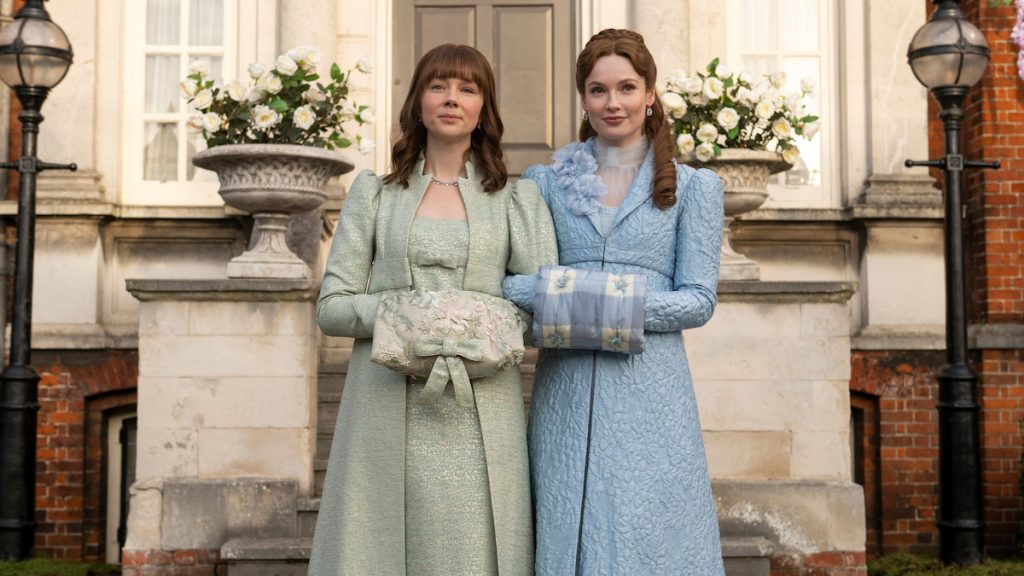
Sex is central this season, but not without consequence. The show is interested in how intimacy intersects with power, particularly for women. Benedict’s storyline sparked immediate fan frustration. After an intense sexual encounter, his suggestion of “will you be my mistress?” landed badly and rightly so. It exposed a familiar imbalance: men are free to want without risk, while women are asked to accept secrecy and limitation. The reaction wasn’t just disappointment; it was recognition.
The season also continues Bridgerton’s modern approach to sexuality, including its treatment of bisexuality. Rather than framing it as scandal, the show presents desire as fluid and expansive. This openness feels less like a statement and more like a natural extension of the world one that audiences have welcomed for its ease and inclusivity.
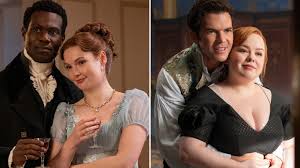
Ultimately, this season isn’t about being rescued or chosen. It’s about masks literal and emotional, and the tension between fantasy and agency.
The question isn’t who will fall in love, but who will be brave enough to be seen as they are. If part one has already generated this much discussion, obsession, and divided opinion, part two has a powerful foundation to build on.