


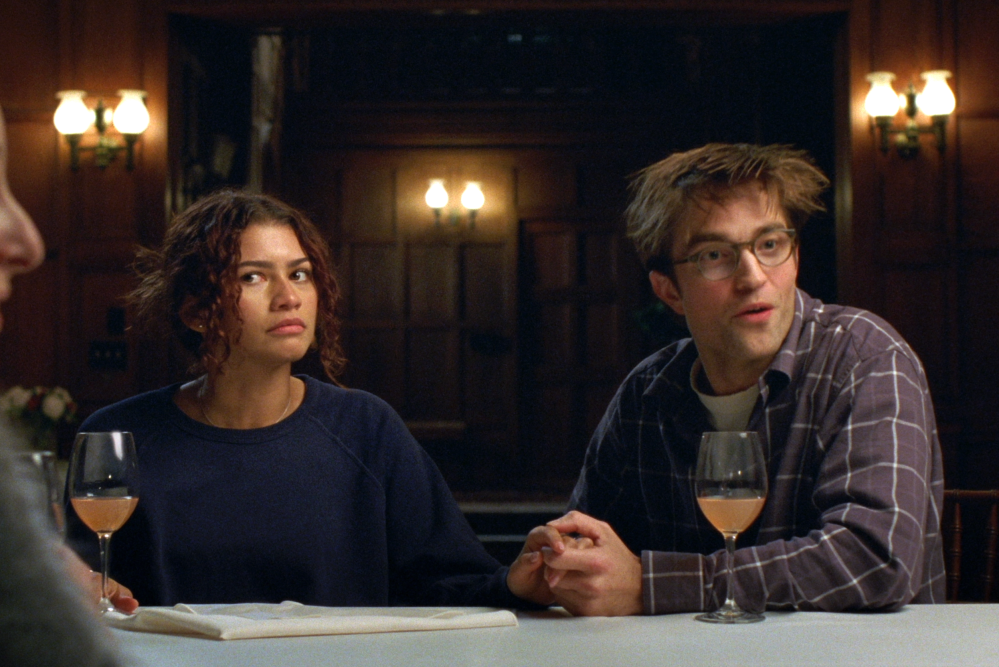
What would you do if your fiancée revealed, in front of your friends during wedding preparations, the worst thing they had ever done? In The Drama, this shocking confession becomes the catalyst for the film’s central conflict, as Emma admits that, at 15, she once planned a school shooting but ultimately did not go through with it.
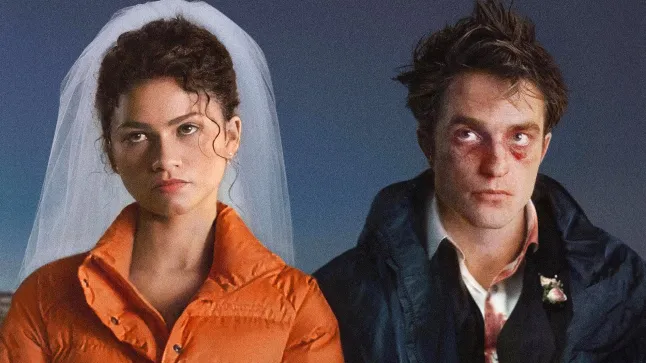
The performances of Zendaya and Robert Pattinson are central to the film’s impact. Both rely on subtle, non-verbal cues to convey emotional complexity. Rather than dramatic outbursts, it’s the small details hesitations, glances, forced smiles that reveal the unravelling of their relationship. The photoshoot scene stands out in particular. Their ability to maintain the façade of a perfect couple while tension quietly builds underneath feels both uncomfortable and very real. The staged intimacy contrasts with the emotional distance growing between them, showing how much of their relationship is built on performance and how quickly that illusion begins to fall apart.
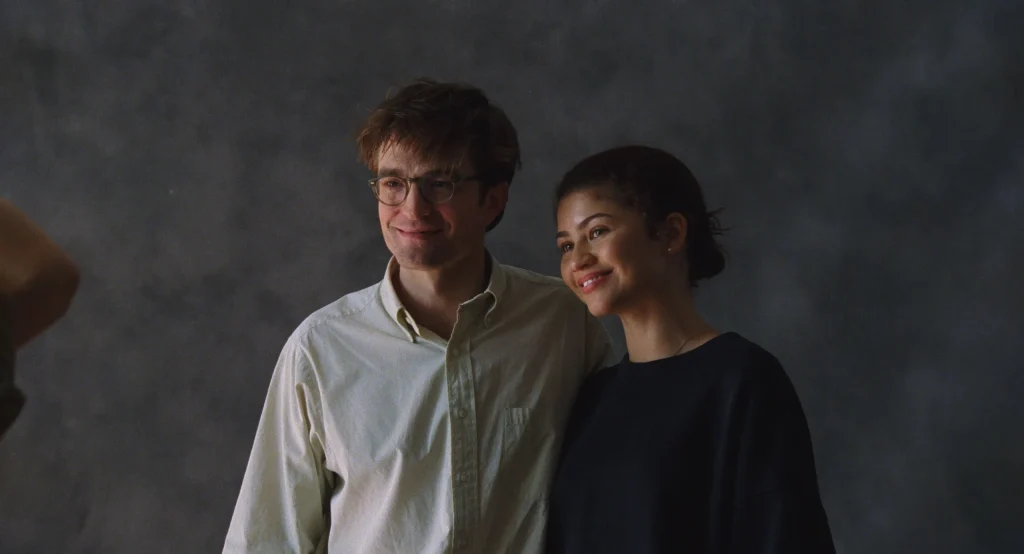
This is where Kristoffer Borgli’s direction feels especially clever. The photoshoot isn’t just there to look good; it reflects what the film is really about. This isn’t a story about the confession itself, but about how people react to it. Emma’s best friend immediately turns on her, shaped by her own personal experiences, while her husband remains more composed, recognising that Emma is not the same person she once was.
Charlie’s reaction, however, is the most intense. He begins to spiral, unable to reconcile the version of Emma he loves with what he has just heard. It’s less about what she did, and more about the fact that it doesn’t fit into how he understands the world. Through these different reactions, the film shows that truth isn’t fixed it’s shaped by personal experience. The real drama comes from how people process it, not the event itself.
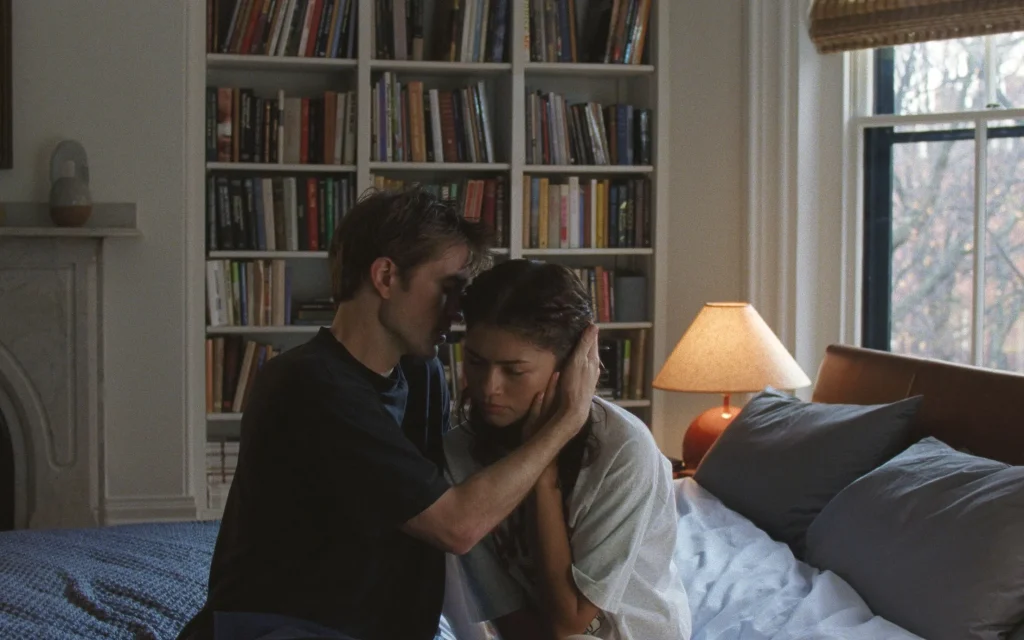
This idea is made clear when Charlie argues that although violent acts such as mass shootings happen, there are thousands of people who may think about doing something terrible but choose not to act on it. (Let’s be honest we all have fantasies of revenge against those who have done us wrong). His point is uncomfortable, but important it raises the question of whether people should be judged by their thoughts or by their actions.
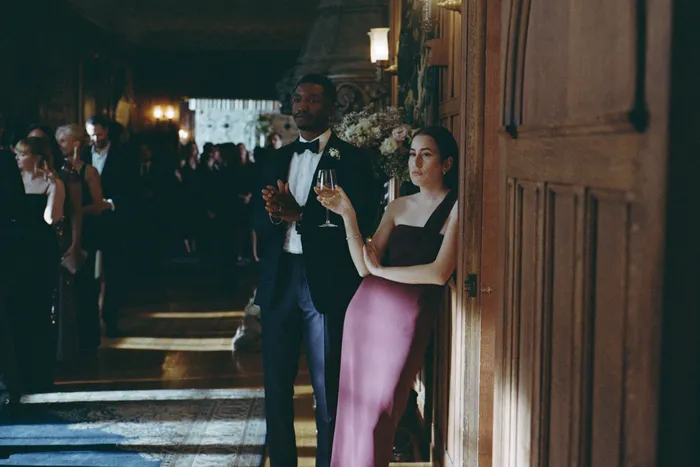
The supporting performances add even more depth to this idea. Rachel (played by Alana Haim) is particularly strong, capturing how quickly emotion can turn when something hits close to home. Her shift from warmth to rejection feels sudden but completely believable. The fact that the audience has such visceral reaction to her character is a testament to her acting. In contrast, Mike (played by Mamoudou Athie) is more measured, suggesting through his calmness that people are not defined entirely by their past. Together, they show how the same piece of information can lead to completely different responses. Indeed, for some this could be the beginning of their very own cancel culture.
It was also clever to see how the narrative shifts throughout the film. Even at the beginning, when Charlie is trying to chat up Emma and she says, “can we start over,” it hints that the story isn’t fixed. That idea carries through the film, with different perspectives adding depth and showing how easily moments can be reinterpreted.
We all tell ourselves the version of a story that we can live with not always the true one, but the one that makes sense to us.
Most films aren’t this thought-provoking. This is the kind of film you walk out of still thinking about, still questioning. Right now, that feels important because it’s not just something to watch, it’s something to talk about.
This a very well thought out review. You’re right, most films of recent aren’t this thought provoking and it felt good to come out of a film and be able to have conversations about the themes within it