

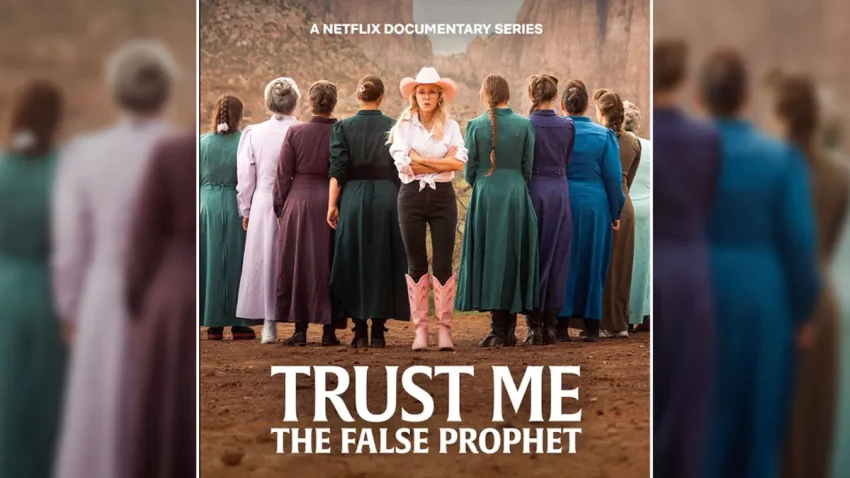
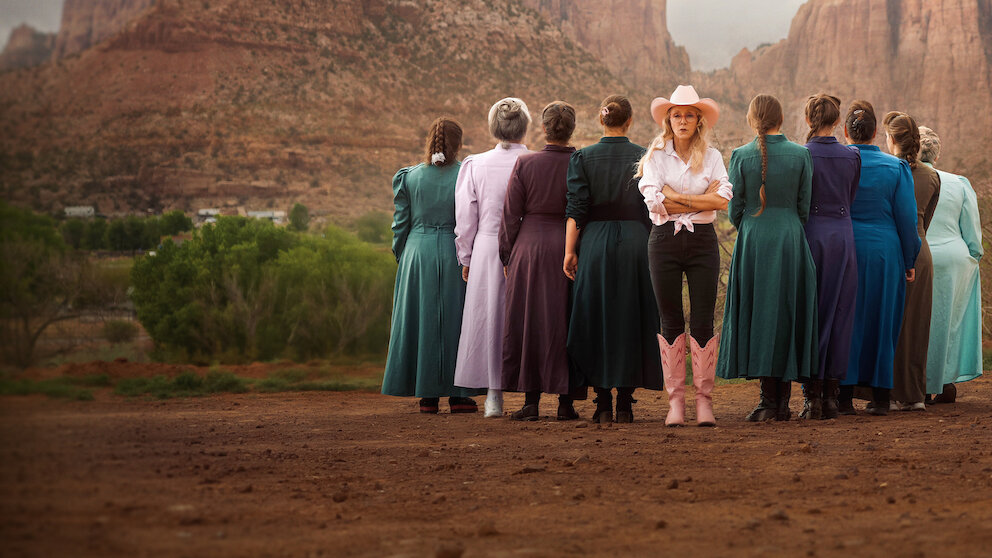
“I have to betray them to save them.”
Those words, spoken by Christine Marie, sit at the heart of this compelling and deeply upsetting four-part Netflix documentary series about the continued abuse within Utah’s Fundamentalist Church of Latter-day Saints community.
Christine and her husband, Tolga Katas, move slowly and carefully into the heart of the movement, earning the trust of people still reeling from the imprisonment of Warren Jeffs. Jeffs, who claimed to be a prophet of God, was sentenced to life in prison for child abuse after marrying and sexually abusing multiple underage girls.
Even from prison, his influence remained. Jeffs declared that nobody within the FLDS community could marry or have children. A community already traumatised and isolated was left adrift, confused and desperately searching for a new prophet to tell them what to do.
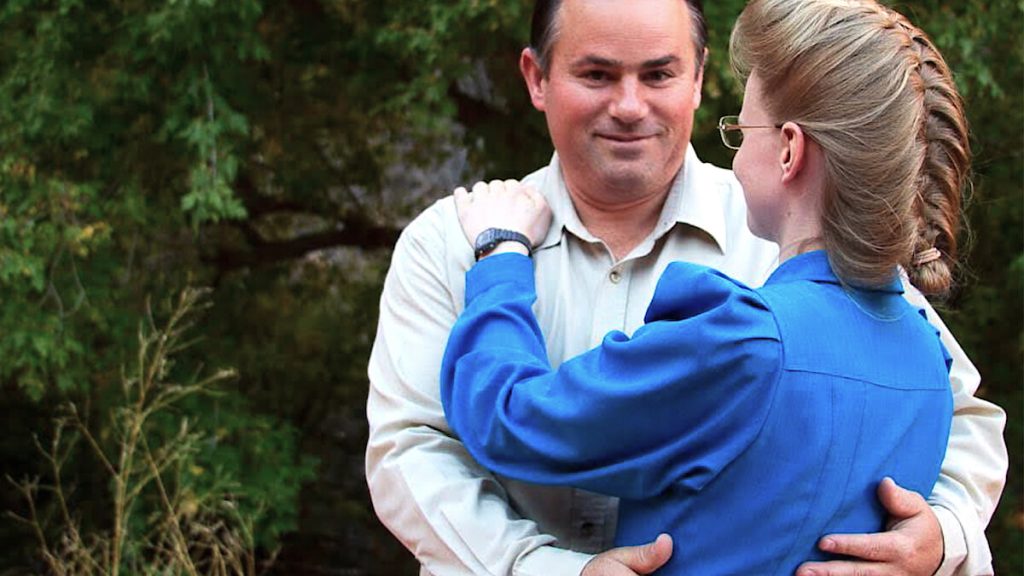
Into that vacuum steps Samuel Bateman.
Bateman is, at first glance, an almost absurd figure: a nondescript, deeply unimpressive man whose power seems impossible to understand. Yet that is what makes him so frightening. He claims that Warren Jeffs is dead and that he alone now has direct access to God. Before long he has gathered around him three devoted male followers and a growing number of women and girls who become his “wives”, completely under his control.
Christine and Tolga, alarmed by what they are witnessing, slowly ingratiate themselves into Bateman’s inner circle. They flatter him, indulge his ego and allow him to believe he is the star of his own documentary, all while quietly building trust with the women and girls trapped within his orbit.
What unfolds is both fascinating and horrifying.

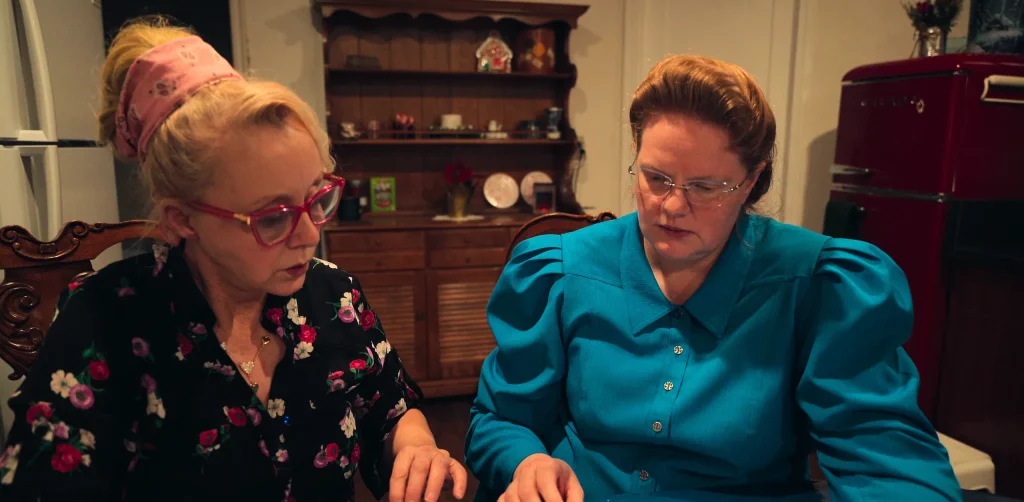
We learn that Christine is herself a survivor of abuse, and that history gives her a unique understanding of what these girls are going through. She recognises the signs immediately and becomes convinced that Bateman is sexually abusing them. From that point on, her mission is clear: save the girls and bring him down.
The series is at its most frustrating when it shows just how difficult that task becomes. Christine gathers evidence, records conversations and repeatedly raises concerns, only for local law enforcement to ignore her. Again and again she is dismissed.
Eventually, one of Bateman’s female followers and the mother of some of his young “wives” realises that she has been manipulated. In one of the documentary’s bravest turns, she begins working undercover with Christine to gather the evidence needed to expose him. It is only then, belatedly, that the FBI finally becomes involved.
All four episodes make for harrowing viewing. At first it is tempting to look at Bateman’s followers and wonder how they could possibly believe that this painfully ordinary, almost laughably creepy man was a genuine prophet.
But the documentary slowly dismantles that judgement.
These are people who have been isolated from wider society all their lives. They have been raised to believe that salvation comes through obedience to “men of God”. They have never been taught to question authority or think critically about the world around them. Seen through that lens, their vulnerability becomes heartbreakingly understandable.
The series makes the painful point that innocence and trust, qualities we usually think of as good, can be exactly what predators and charlatans exploit.
And then there is Christine.
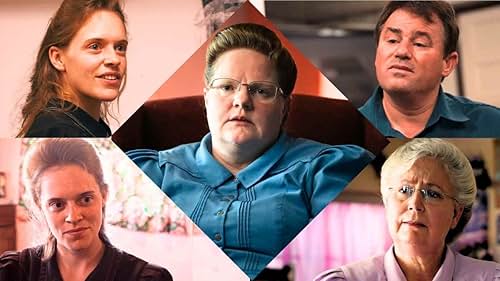
In many ways she is the most compelling person in the documentary. She has experienced the kind of cult-like abuse that would break many people, yet she has somehow transformed that pain into empathy and determination. She never loses her faith in humanity, even when she is confronted by people who mistrust her or hate her.
The most moving part of the series comes from Christine’s understanding that to save these girls she must first betray them. She has to win their trust, only to hand the evidence she gathers over to the authorities. She knows they will see her as the enemy, at least for a time, and the pain that causes her is written all over her face.
That is what makes her such a remarkable figure. She is not motivated by heroism or self-importance. She is simply willing to carry the burden of being hated if it means someone else might finally be free.
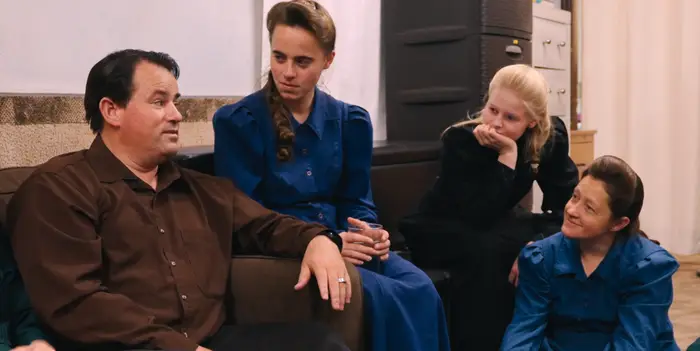
Throughout the series, Bateman’s ego spirals further and further out of control. Much of the footage is filmed with his full approval because he genuinely believes he is creating his own god-like legacy. There is something chilling in watching a man become so intoxicated by his own power that he cannot see he is documenting his own downfall.
And his downfall is something to celebrate.
Yet the documentary never allows that ending to feel neat or triumphant. Bateman may be gone, but the damage remains. Some of his followers still believe in him. Others have escaped but are left carrying scars that will not disappear overnight.
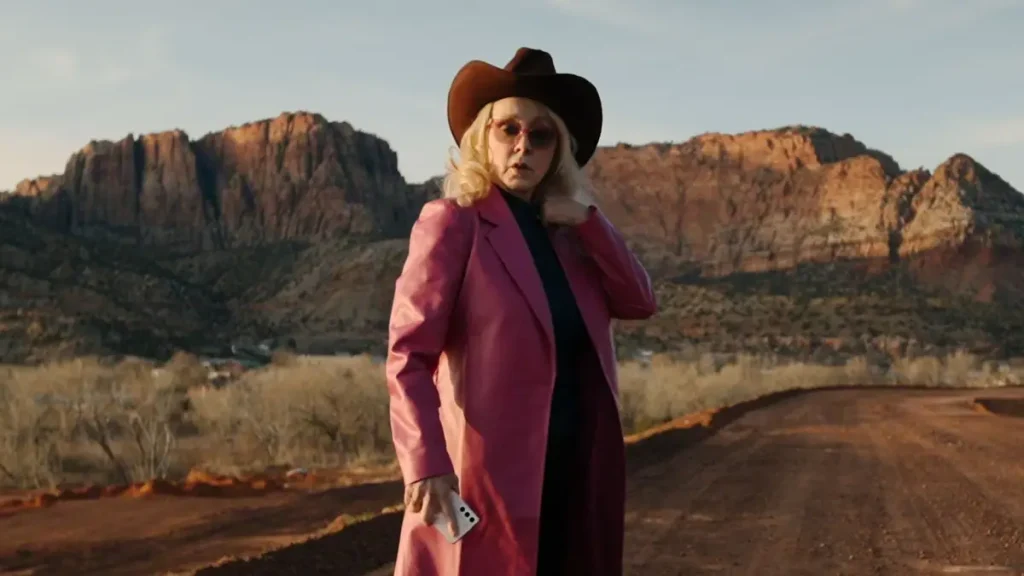
Trust Me: The False Prophet is not simply a documentary about one monstrous man. It is about what happens when vulnerable people are raised to surrender their judgement to those who claim to speak for God. It is about the ease with which trust can be manipulated and the terrible cost of betrayal, even when that betrayal is necessary.
Most of all, it is about the extraordinary courage of one woman who decided that if no one else was going to save these girls, then she would try herself.