

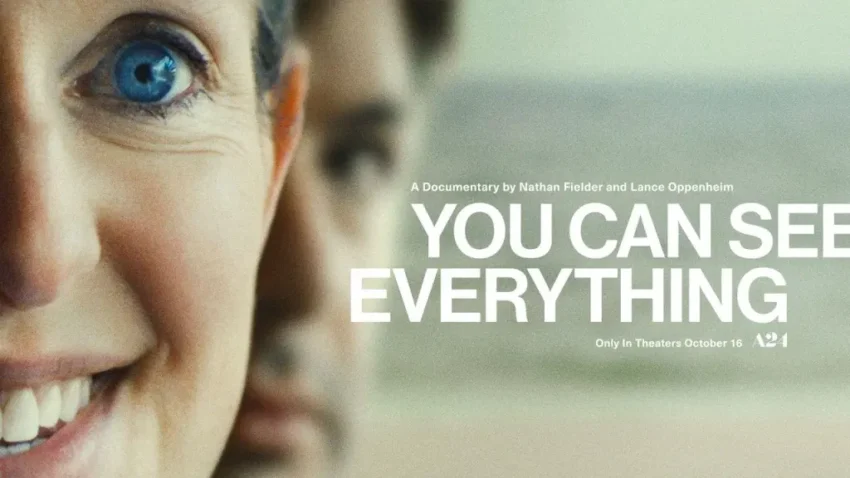
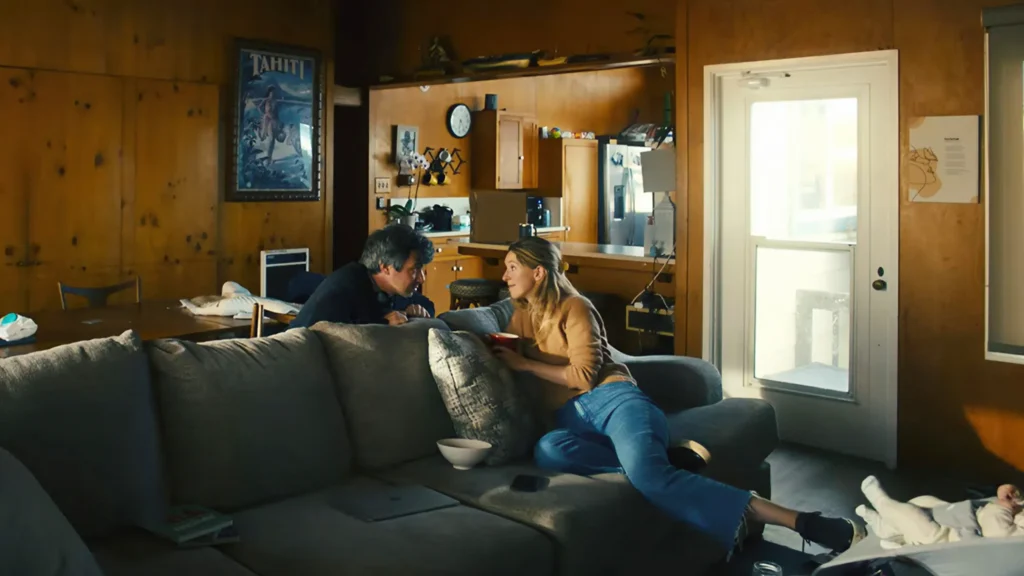
What happens when you find yourself questioning not just the people in a documentary, but the person behind the camera, too?
You Can See Everything follows disgraced Theranos founder Elizabeth Holmes in the 34 days leading up to the start of her 11-year prison sentence for fraud. But this is far from a straightforward account of her downfall. It’s a fascinating and often uncomfortable look at the people around her, her marriage to William Evans (Billy), and the complicated question of just how much of what we’re seeing is the real Elizabeth.
I went into this film knowing very little about the story, and what followed was one of the most fascinating viewing experiences I’ve had in a long time. I was completely blind going in, without any real expectations, and I found myself intrigued not just by the story itself, but by Elizabeth, the way she thinks and, perhaps most interestingly, the way she presents herself to the world.
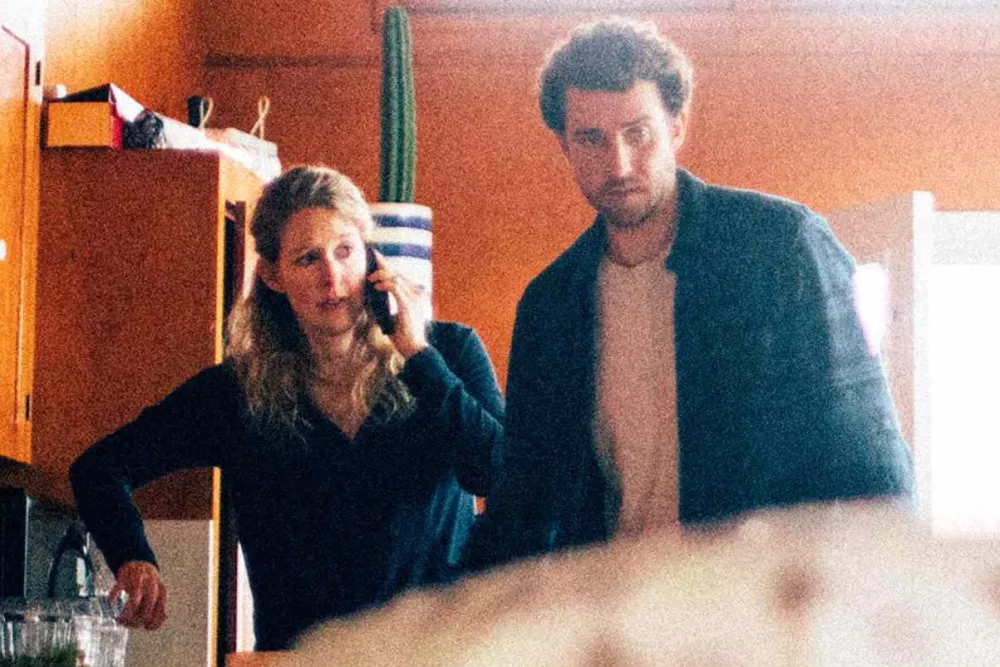
Her husband, however, is a narcissistic, controlling human being. I do feel sorry for her, particularly when you see some of the ways he treats her. There’s one particular moment that stood out to me. In one of the opening shots, Elizabeth is simply whisking some eggs in a bowl to make breakfast. Billy takes the whisk away from her, tells her she’s doing it wrong and proceeds to whisk the eggs himself.
Yes, it’s a seemingly insignificant moment. He’s just whisking some eggs, after all. But it speaks volumes. It’s a small glimpse into the controlling behaviour that becomes increasingly difficult to ignore. Sometimes, it’s the smallest details that tell you the most about a person.
Amanda Seyfried also deserves a special mention, because I thought she was absolutely brilliant. Having previously portrayed Elizabeth Holmes in The Dropout, she brings an interesting perspective to the film. She’s not simply revisiting a character she’s played before; she’s stepping into the situation and getting to know the people surrounding Elizabeth. I think that previous experience makes her involvement even more fascinating. She already knows how Elizabeth presents herself, but now she’s getting to see the people who experience that side of her firsthand.
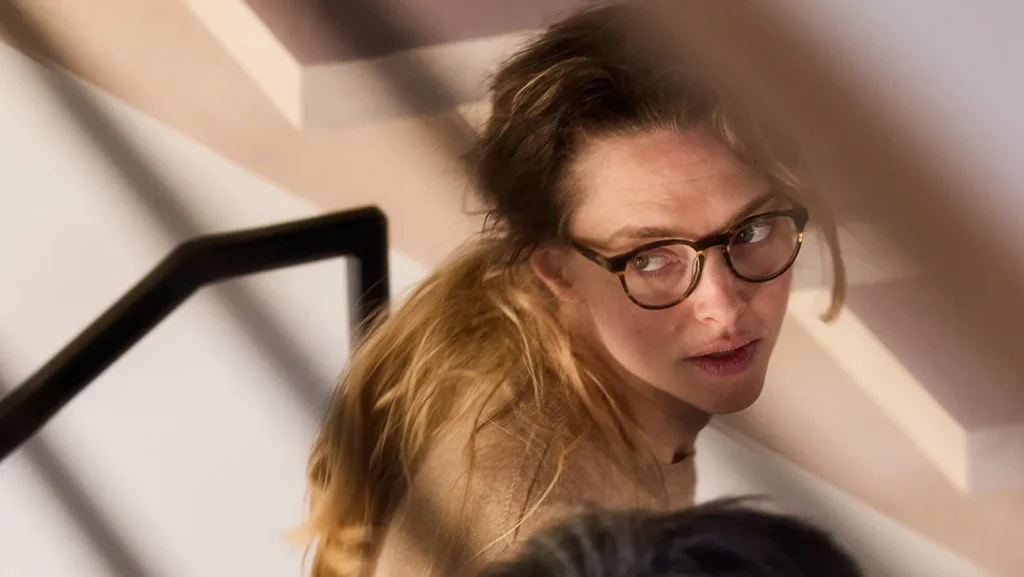
One of the most fascinating parts is watching Amanda go to meet Billy, getting close to him and trying to understand what he’s like as a person. It’s almost like watching an undercover investigation unfold. She’s observing him, engaging with him and seeing for herself how he behaves. It’s particularly interesting when you consider what we see of their relationship throughout the film.
There’s also the rather interesting situation surrounding William Evans and the negotiations over residuals following the making of the film. It’s a detail that caught my attention, particularly when the end credits reveal that he ultimately didn’t want the residuals. I’m still not entirely sure what to make of that whole situation. Something about it feels a little questionable, and I found myself wondering what was really going on behind the scenes. It also adds another layer to the film’s wider themes of control, influence and the different interests people might have in shaping the story we’re watching.
But then there’s Elizabeth herself, and I don’t think I’ve quite worked her out.
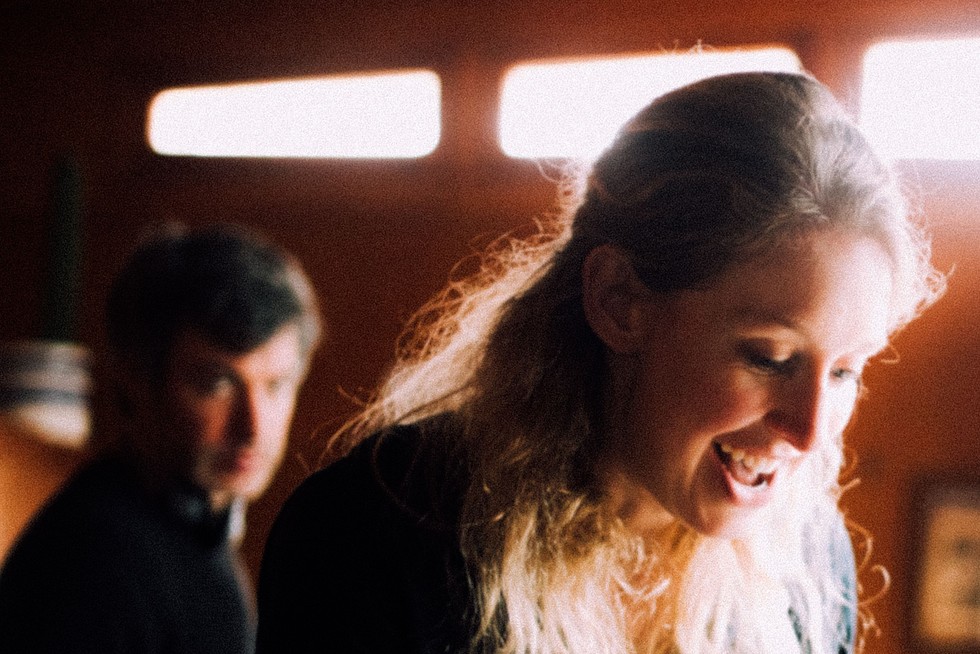
She explains that she chose Nathan as the director because she wanted him to capture her more human side. But I couldn’t help wondering whether she also thought he might be someone she could influence.
Take the moment when she asks him to come swimming with her. Initially, he’s reluctant, explaining that he doesn’t particularly like cold water. Yet, nearer the end of the film, we see him getting into the water with her. It might seem like a small moment, but I couldn’t help thinking about what it represented. Is this another example of Elizabeth getting people to do exactly what she wants? And at what point does Nathan stop simply observing her and start becoming part of the dynamic he’s trying to understand? It’s a fascinating relationship to watch, particularly because you’re never entirely sure who is influencing whom.
Then there’s her claim that she has never lied, not even told a little white lie, or lied about having had a boyfriend. Oh, come on! Surely everyone has told a little white lie at some point? That pretty much sets the tone for much of the film, although there are moments when the narrative shifts and you’re left questioning what you’ve just watched.
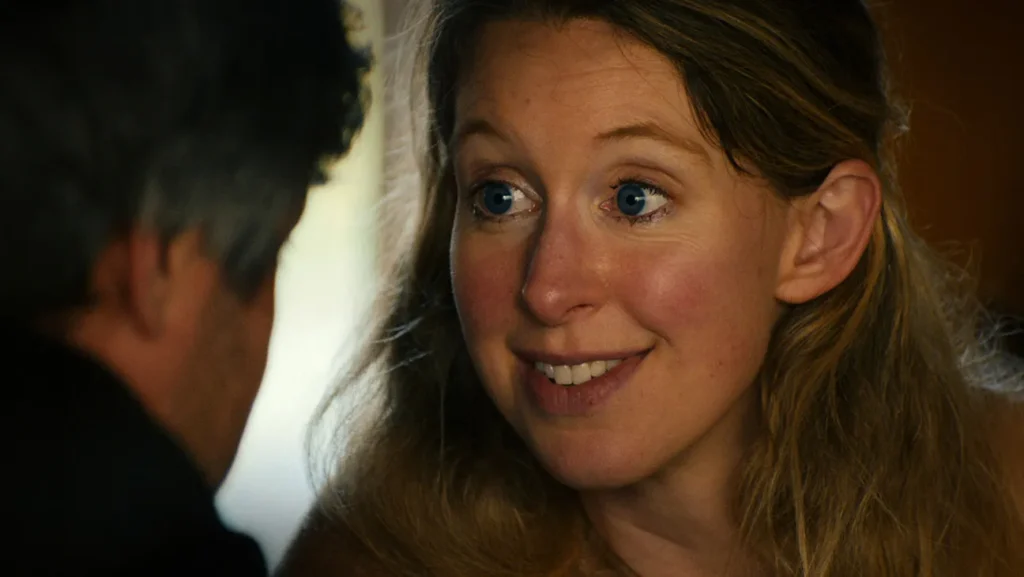
I don’t know exactly where I stand on Elizabeth. I think her husband is an absolute asshole, and she deserves so much better than the way he treats her. But at the same time, I kept questioning whether she was manipulating the situation herself.
Is she being controlled, or is she just as capable of controlling those around her?
As Amanda Seyfried puts it, it’s complicated. And perhaps that’s the best way to describe the entire film. It’s nuanced, uncomfortable and constantly leaves you questioning what you’re actually seeing.
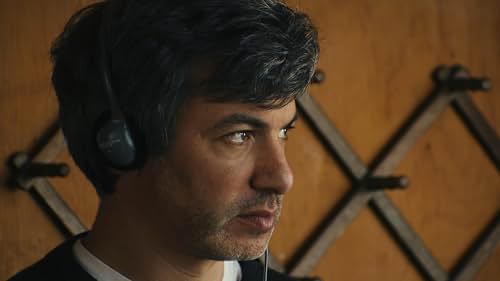
On a completely different note, the cinematography deserves recognition. Nathan Fielder and Lance Oppenheim, I genuinely have no notes. The framing, the composition, the atmosphere and the attention to detail are exceptional. There’s something about the way the film is shot that makes even the most ordinary interactions feel strangely revealing. The camera doesn’t simply document what’s happening; it makes you look more closely at the people in front of it, almost as though you’re searching for clues yourself. There’s a real confidence in the filmmaking, and it elevates the story beyond what could have been a fairly straightforward documentary.
And when it comes to the Oscars? I don’t think this should simply be part of the conversation. I think it deserves to win Best Picture. Yes, I said it. It’s miles better than The Odyssey, and I won’t be changing my mind anytime soon. What makes it so deserving of recognition is the way it combines extraordinary filmmaking with a story that is constantly challenging your perceptions. It doesn’t spoon-feed you answers or tell you who to believe. It trusts you to make up your own mind, and I absolutely love that.
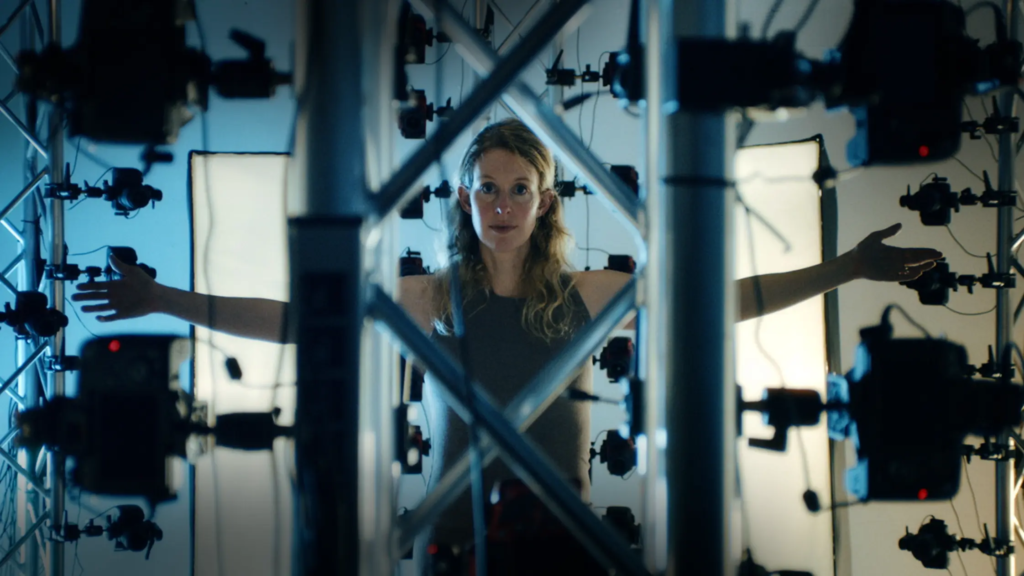
What makes this film so exceptional is that it doesn’t give you all the answers. It leaves you questioning everything, second-guessing what you’ve watched and, perhaps most importantly, wondering just how much of what you’ve seen is actually real.
Nathan Fielder and Lance Oppenheim have created something extraordinary. It’s clever, uncomfortable, beautifully shot and utterly compelling.
If this isn’t Best Picture-worthy, I really don’t know what is.