


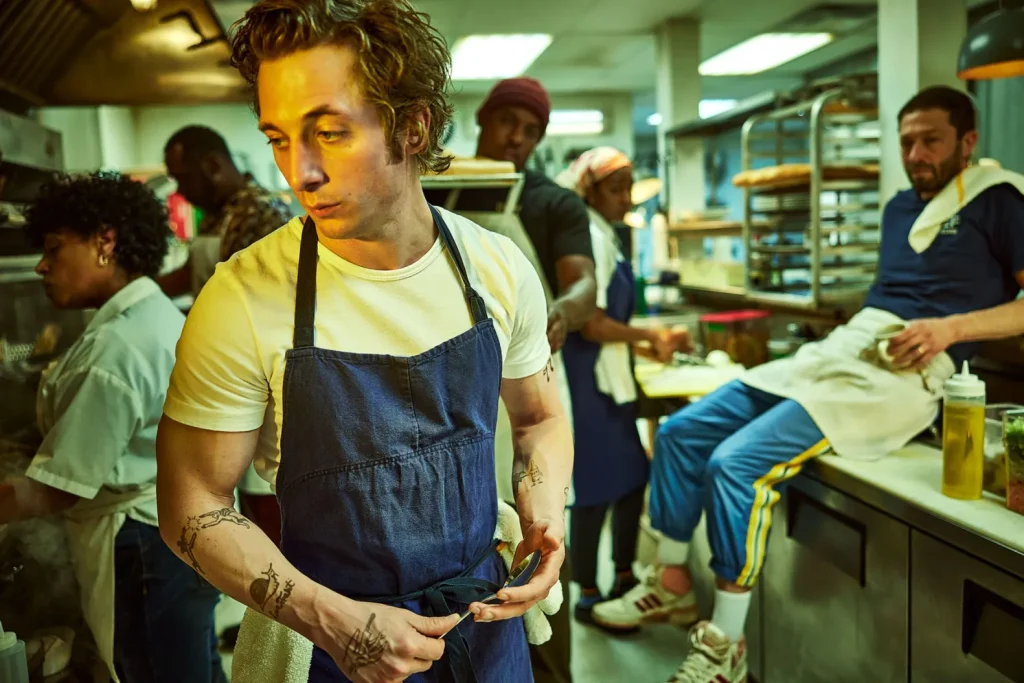
It’s chaos. It’s catharsis. It’s Shakespeare in an apron.
From the outside, The Bear is a show about a kitchen and it is the boiling-point tensions, the burnt fingers, the constant need to “Yes, chef” through the smoke. Under all that chaos is something quieter, more deliberate, and maybe even more ancient.
It’s theatre.
It’s pure theatre and it might just be the most theatrically constructed TV show on air right now.
The stage is a kitchen — but the stakes are existential.
We open in a cramped, unglamorous Chicago beef shop, now inherited by fine-dining prodigy Carmy (Jeremy Allen White). His grief for his brother is raw and repressed. His co-workers are prickly, proud, and already set in their ways. The knives are sharp. The air is thick and no one truly no one is ready for the emotional mise-en-place that’s about to unfold.
But if the location feels small, the emotion is anything but.
Like a black box theatre space, The Bear gives us one setting, a small ensemble, and a narrative that isn’t about big plot twists or flashy visuals. It’s about relationships. It’s about history. It’s about how people break, and how they heal often in the same breath.
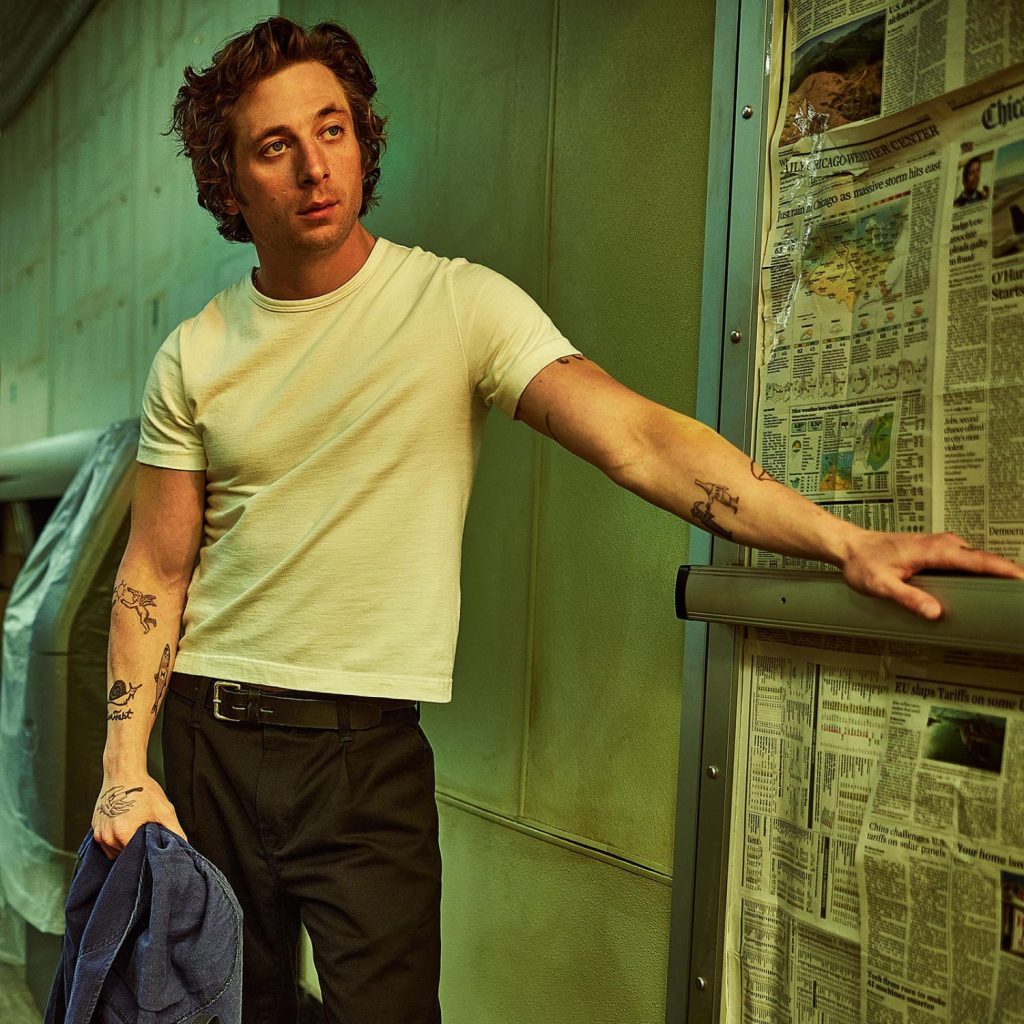
Monologues that would stop a stage cold
There’s a moment in Season 1 where Carmy finally opens up. When I say opens up, I mean explodes in the kind of breathless, tumbling monologue you’d expect from a Sorkin drama or an off-Broadway showcase.
The camera doesn’t cut. The performance doesn’t blink. It’s raw, human, and theatrical in the best way not performative, but true.
Later in Season 2, we get entire episodes that function like one-act plays: a Christmas flashback that’s a masterclass in ensemble tension, a quiet solo outing for Richie that plays like redemption on a loop, a final tasting menu that’s as emotional as it is edible.
A true ensemble — no weak links, no extras.
Theatre lives and dies on ensemble work. You can’t hide in lighting or edits every person on stage matters. This is where The Bear absolutely thrives.
Every character gets their arc. Their turn. Their moment. Tina, Marcus, Richie, Sydney they aren’t side dishes, they’re courses in their own right. When the spotlight turns to them, the show slows down, sharpens its focus, and lets them act.
Not just talk, not just move plot act.
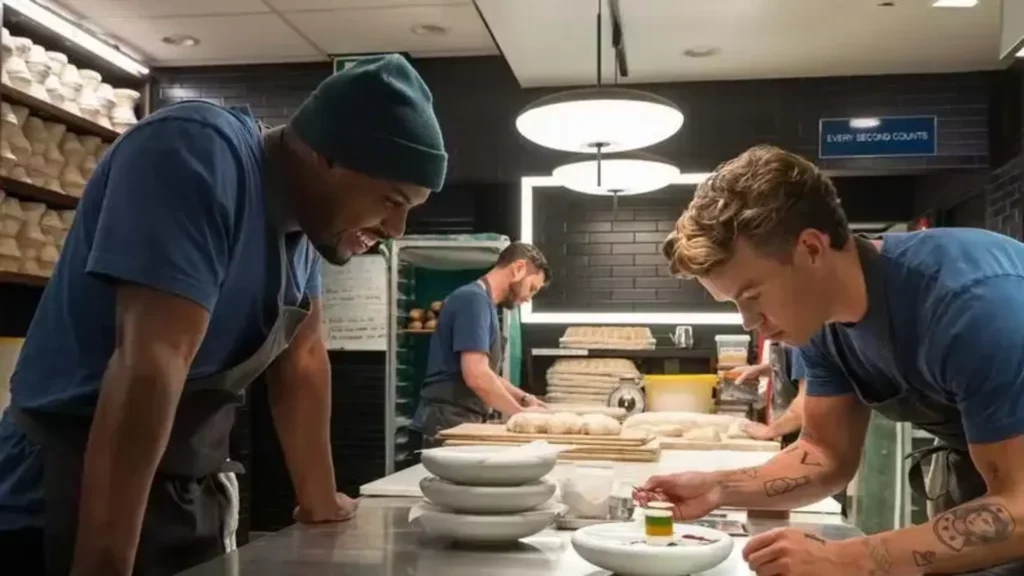
It’s intimate. It’s intense. It’s deeply human.
At its core, The Bear is about transformation. The kind that doesn’t happen with a big speech or a dramatic revelation, but in micro-moments. In eye contact. In an apology. In a dish plated just right.
That’s what theatre does best. And that’s why The Bear feels so much bigger than its frame. It’s not just TV with good acting it’s television that understands the stage.
Final course: not just prestige TV. Prestige theatre, too.
The Bear isn’t for everyone. It’s talky. It’s messy. It lingers on the quiet stuff and occasionally blows your eardrums with a perfectly placed argument. For those of us who love theatre, who live for the slow builds and the boiling-point breakdowns it’s a revelation.
It’s what happens when you bring actors into a pressure cooker and trust them to carry the weight.
It’s Shakespeare in a chef’s jacket.
It’s Beckett with mise-en-scène.
It’s the best seat in the house and it’s in your living room.
Yes, chef.