


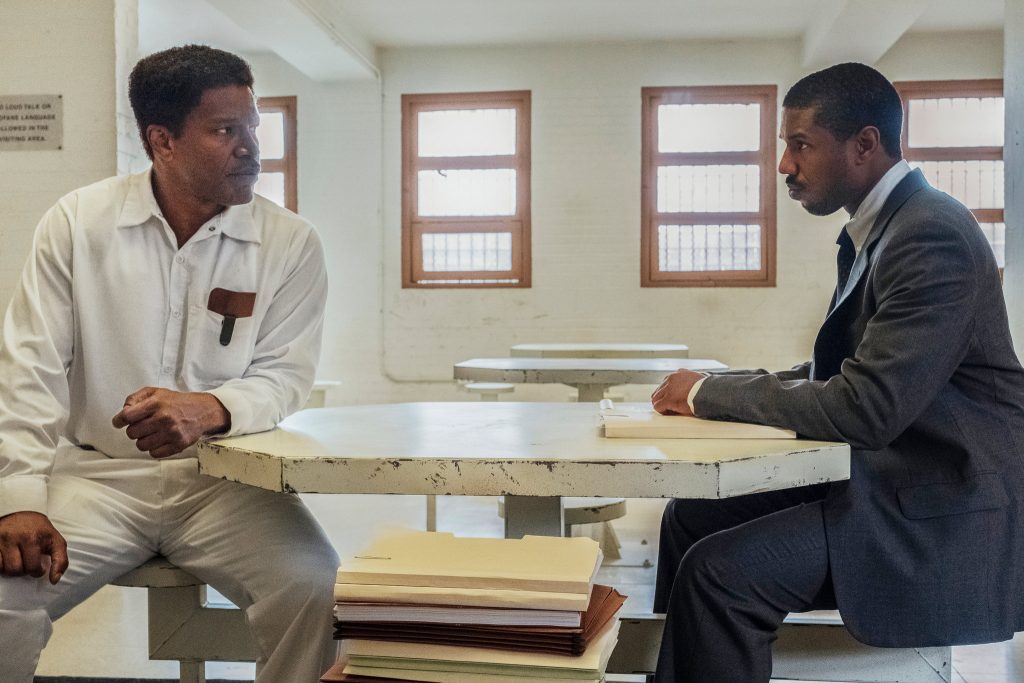
“Our system has taken more away from this innocent man than the power to give back. We can change this world for the better. If we can look at ourselves closely and honestly.
“I believe that we will see we all need justice, we all need mercy and perhaps we all need some measure of unmerited grace.”
This is what Bryan Stevenson declared in 1993 to the U.S. Senate hearing on the death penalty while his client, Walter McMillian, was condemned to death for a crime he clearly did not commit.
The film Just Mercy tells McMillian’s story, which is based on true events, but it also goes much deeper. It explores themes of poverty, institutional racism, prejudice, and the cracks in the American justice system.

We begin in 1987 in Monroe, Alabama, where tree feller Walter McMillian is arrested for the murder of white teenager Ronda Morrison. By the time Bryan Stevenson (Michael B. Jordan), a Harvard-educated lawyer, begins defending death row inmates, McMillian has already lost all faith in lawyers. Determined to make a difference, Bryan co-founds the Equal Justice Initiative and works tirelessly to gain McMillian’s trust. Visiting his family and friends, he gathers testimony showing McMillian was with them and could not have committed the crime.
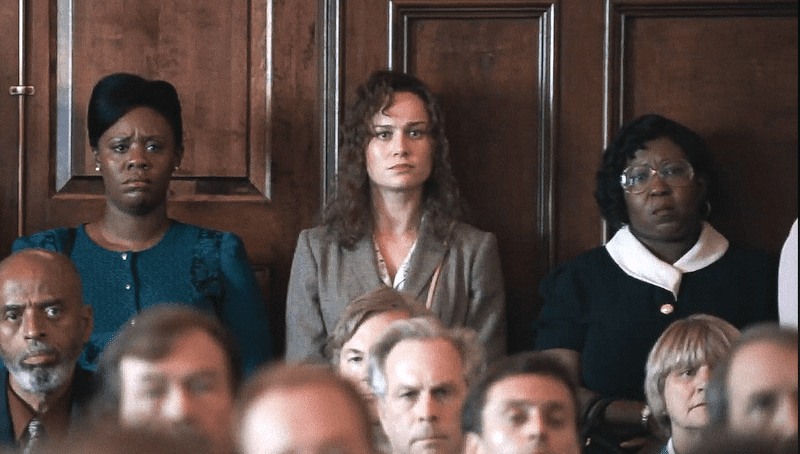
Jamie Foxx delivers a performance that is nothing short of extraordinary truly Oscar-worthy. In fact, the entire cast is outstanding, bringing a rare authenticity to the story. The acting is powerful, but so is the storytelling. The film refuses to sugarcoat injustice, making it all the more compelling.
What struck me most is the quiet but unshakable power the film holds. A couple of years ago, I did a short internship with Innocence Project London, helping with their social media, and watching this film reminded me why I wanted to do that work in the first place. Films like Just Mercy don’t just entertain they inspire you to reflect, and maybe even to act.
If I have one caveat, it’s the runtime. At just over two hours, it does feel slightly long in places. But perhaps that’s me being picky, because honestly, the weight of the story deserves the space it gets.
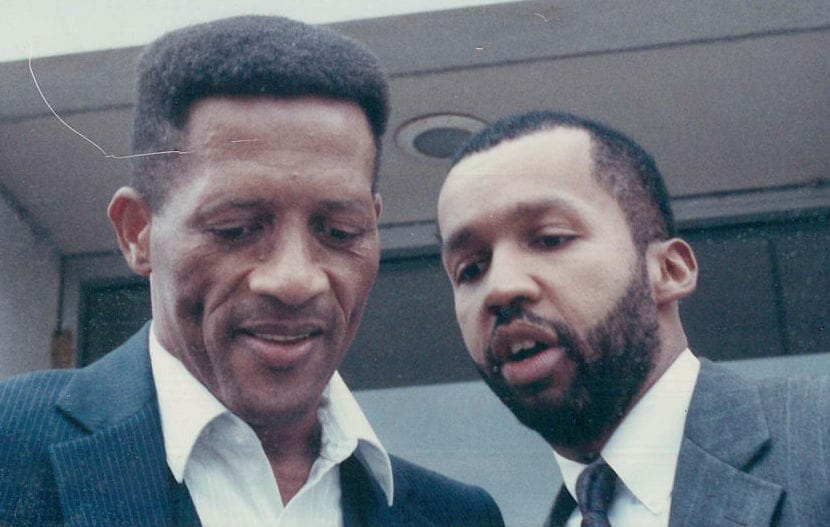
One of my favorite aspects of true-story films is the final moments, when you’re given updates on the real people behind the story. Just Mercy closes by showing what became of Bryan Stevenson, Walter McMillian, Eva Ansley, Herbert Richardson, and others connected to this case. It’s a sobering reminder that these aren’t just characters they’re people whose lives were torn apart by injustice.
In the end, Just Mercy is not just a film about one wrongful conviction. It’s about mercy, humanity, and the ongoing fight for justice in a system that too often denies it. Watching it feels urgent, necessary, and deeply moving.
If you haven’t seen it yet, the good news is you can stream it right now on BBC iPlayer.