


Director Simon Cellan Jones returns with The Family Plan 2, the action-comedy sequel premiering on Apple TV on November 21st. Following the success of the first film, the new chapter sees the family heading to Europe and diving into more chaos, secrets, and high-stakes adventures.
We sat down with Simon to talk about the film’s evolution, reuniting with Mark Wahlberg, working with Kit Harington, and the ever-changing world of filmmaking.
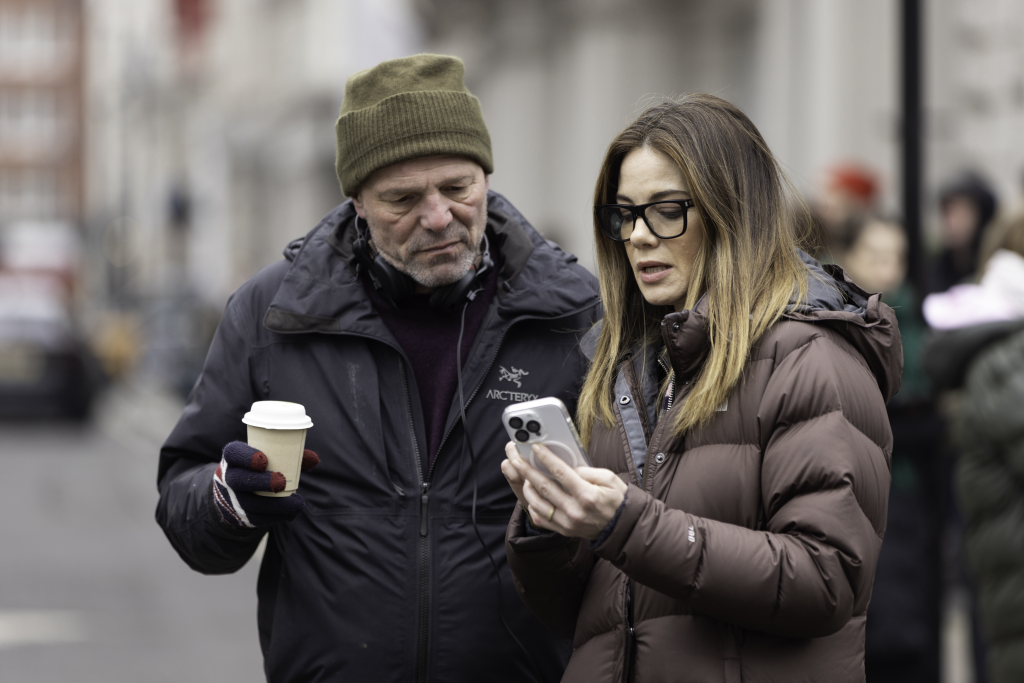
Congratulations on your new film The Family Plan 2 which is about to premier on Apple TV on November 21st. What can audiences expect from this sequel?
I think there’s just enough of what was in the first one, so I hope they won’t be disappointed. The family goes to Europe, which I think is one of the most fun parts. Although the family now knows the dad’s secret, they think everything’s fine but of course, just in time for the film to begin, something dark from his past resurfaces and starts to chase them. So, audiences can expect more of the same, but with something fresh and different too.
The film reunites you with Mark Wahlberg and now brings Kit Harington into the mix. What was the chemistry like on set between the two them?
They were just great. I think they were fans of each other. Mark was really excited when he heard we’d offered the role to Kit, and he was behind it all the way. They had a lot of fun together and developed a really strong relationship. They looked out for each other and also challenged each other in good ways.

The first Family Plan balances action and comedy really well. How do you approach maintaining or evolving that tone in the sequel?
The good thing is we’ve still got the same family the same actors and they get along brilliantly. They’re funny together and spark off each other naturally. Personally, I love doing action scenes; they’re really exciting. But what makes this film unique is that at the centre of all that action is a very grounded, very normal family.
Were there any particular challenges or surprises during production this time round?
It was a completely different experience. We were filming in London and Paris two huge cities and shooting around the Christmas holidays made it even more complicated. We had to be super careful about planning and coordinating with local authorities. Even though we had a clear idea of what we wanted, we often had to find alternative ways to get it done.
Probably the trickiest part was arranging a week of night shoots in Montmartre, Paris, where we had to close down the whole area to film a dangerous car chase. It was like a big game of chess.

How was it working with Mark Wahlberg?
It’s the third time I’ve worked with him, and it’s always a joy. You wonder what these big movie stars will be like whether they’ll be intimidating or difficult but he’s one of the easiest actors I’ve ever worked with. He’s very straightforward, no-nonsense, and super professional.
He loves to keep things fresh and comes to work incredibly well-prepared. It makes you think, “Right, I’d better be just as ready, don’t want him thinking I haven’t done my homework!”
Do you have a favourite kind of actor to work with perhaps those who like to improvise or those who are very precise with the script?
There are so many different kinds of actors that I wouldn’t say there’s one ideal type. What I really want is commitment. Occasionally, you get actors who don’t really want to be there that’s no fun. But on this project, everyone showed up ready to give it their all.
We did quite a bit of improvisation, which Mark really enjoys. He likes to change things up a little each time, offering different options. That’s great in the cutting room because it gives you so many ways to shape a scene.

You have been working in this industry through major shifts from analogue to digital from broadcast to streaming. How have those changes influenced your storytelling?
That’s a really good and complicated question. The bottom line is a good script is still a good script, and a good actor is still a good actor. I’ve shown my teenage kids films I thought were brilliant when I was younger, and they’ll say, “Dad, it’s so slow, it’s boring!”
You have to think about that. Films today might only play on big screens a few times, but most people will watch them at home or even on their phones. I hope most people watch The Family Plan 2 on a good TV with proper sound, but it’ll still work if they’re watching on the train with headphones.
It’s a good film to enjoy with your family and friends. Families will see themselves in it but it’s also a great date movie!
Do you have any rituals or habits before stepping onto a set?
I wake up at four every morning and write down the date, then jot notes on how I want to film that day’s scenes. Even if I already know, I rewrite it every morning. I end up with hundreds of bits of paper that I rarely look at, because everything changes anyway.
I’m obsessed with having a plan. If all else fails, at least you have something solid to fall back on.

Would you ever be interested in returning to earlier television roots or perhaps directing something entirely unexpected?
Always. I think it’s good to do things that surprise both other people and yourself. I started in television and learned so much from it. I’ve done some brilliant projects and a few less great ones but mostly really good stuff.
As I said, with a good script and a good actor, it doesn’t matter whether it’s a $500 million movie or a $10,000 short film.
Is there a question you wished interviewers would ask you but never do?
I wish they’d say, “Simon, how come you’re so cool?”

After The Family Plan 2, are there any stories or genres you’re eager to explore next?
I’m potentially available for The Family Plan 3 you never know! But I’d also love to do something different, maybe a serious, edgy psychological thriller. You’ve got to keep reinventing yourself and staying fresh.
Is there a psychological thriller that you have been obsessed with at the moment?
I was watching The French Connection the other day it’s a procedural police thriller, but psychological too, because there are so many crazy characters in it.
I was saying to someone that the 1970s had a lot of gritty, grounded films Dog Day Afternoon comes to mind. I guess that’s a psychological thriller too, even if it’s an old one!
With The Family Plan 2, Simon Cellan Jones proves that heart, humour, and high-octane action can coexist beautifully. As he continues to explore new genres and push creative boundaries, one thing’s for sure; his storytelling remains as grounded and authentic as ever.