


“Just because a man is an ally doesn’t mean that he is on your side.”
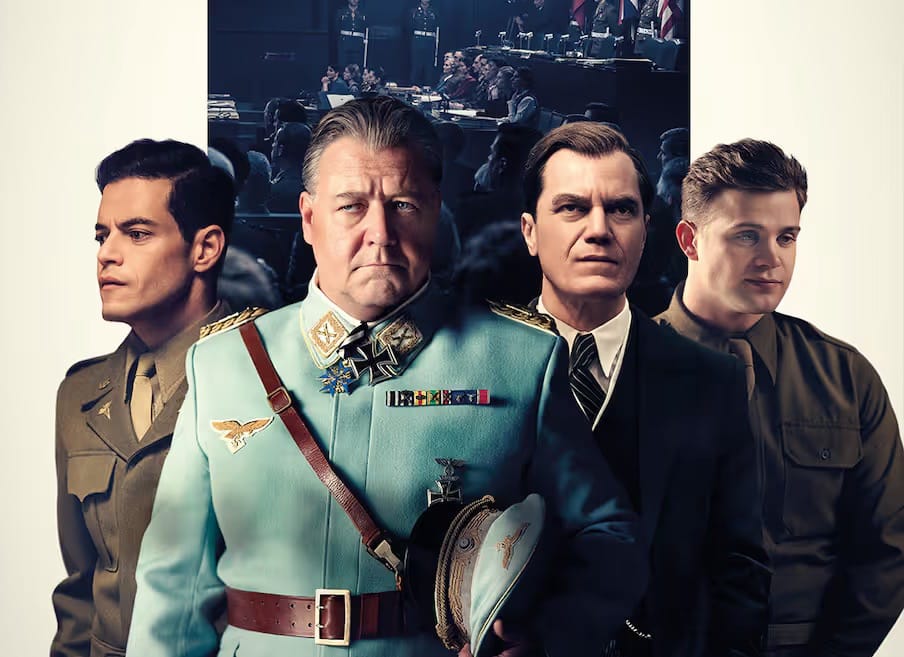
I didn’t know much about the Nuremberg Trials that began in 1945, so this film turned out to be a genuinely insightful watch. I’ve always enjoyed war films, especially in recent years. Darkest Hour and 1917 were both brilliant and I’d comfortably add this to that list. The film sets out to tell a real-life story from history, and it delivers with impact.
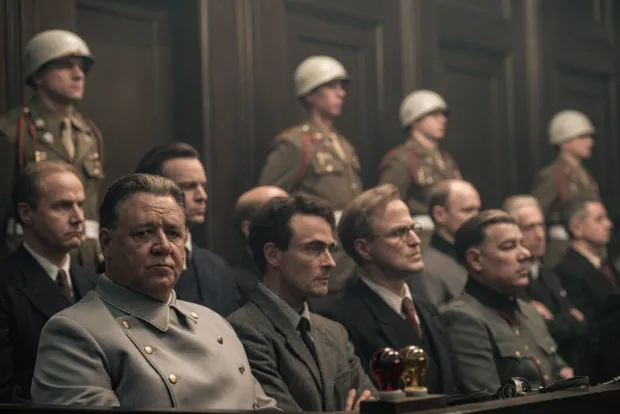
The story begins as the Nuremberg Trials are about to commence. U.S. psychiatrist Dr Douglas Kelley is ordered to interview the German prisoners, including Hermann Göring. Officially, the purpose is to determine whether they are mentally fit to stand trial, but the real intention is to gain insight that could later be used against them in court.

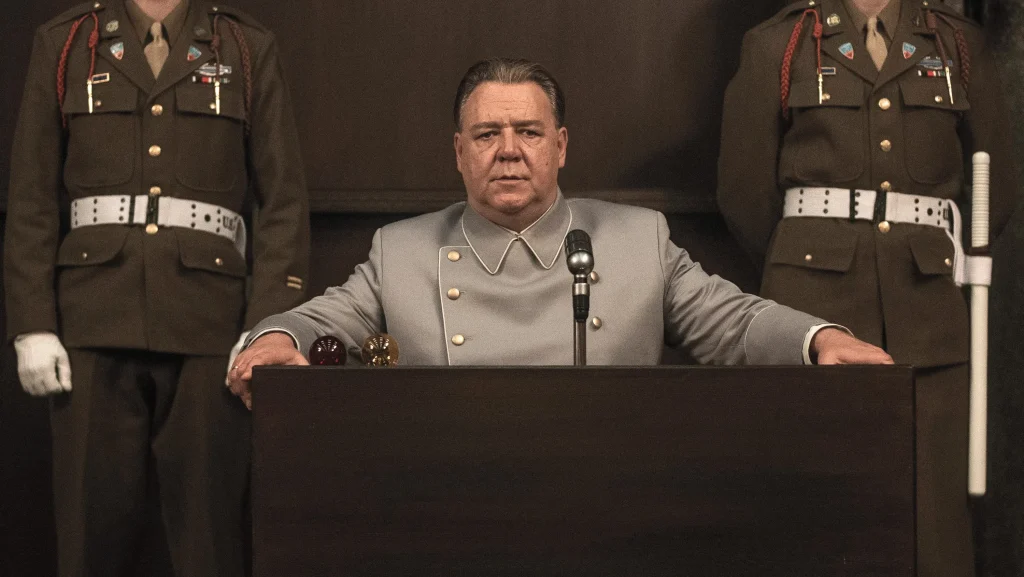
Russell Crowe plays Reichsmarschall Göring as an intelligent, sly manipulator who constantly plays cat and mouse with the Americans. This is easily one of Crowe’s strongest performances. He’s so convincing that you instantly despise Göring, the kind of character you want to punish immediately which speaks volumes about how well the role is played.
Rami Malek’s portrayal of Dr Kelley adds another layer to the film. He sees the prisoners as human beings, which brings him into conflict with others who want swift and brutal justice. That moral tension runs through the entire film and keeps it engaging.
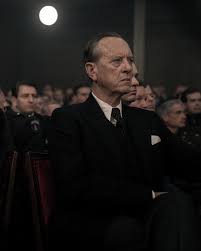
Richard E Grant appears as Sir David Maxwell-Fyfe, a British prosecutor. Although his role is brief, he makes a strong impression, particularly during one courtroom scene where he truly shines. Leo Woodall plays Howie Triest, an American army translator, and there is far more to his character than first meets the eye, adding emotional depth to the storyline.
One of the most harrowing moments is when concentration camp film footage is used as courtroom evidence which was the first time this ever happened in history. It’s almost unbearable to watch. The interview exchanges between Kelley and Göring are electrifying and stand out as some of the film’s strongest scenes.
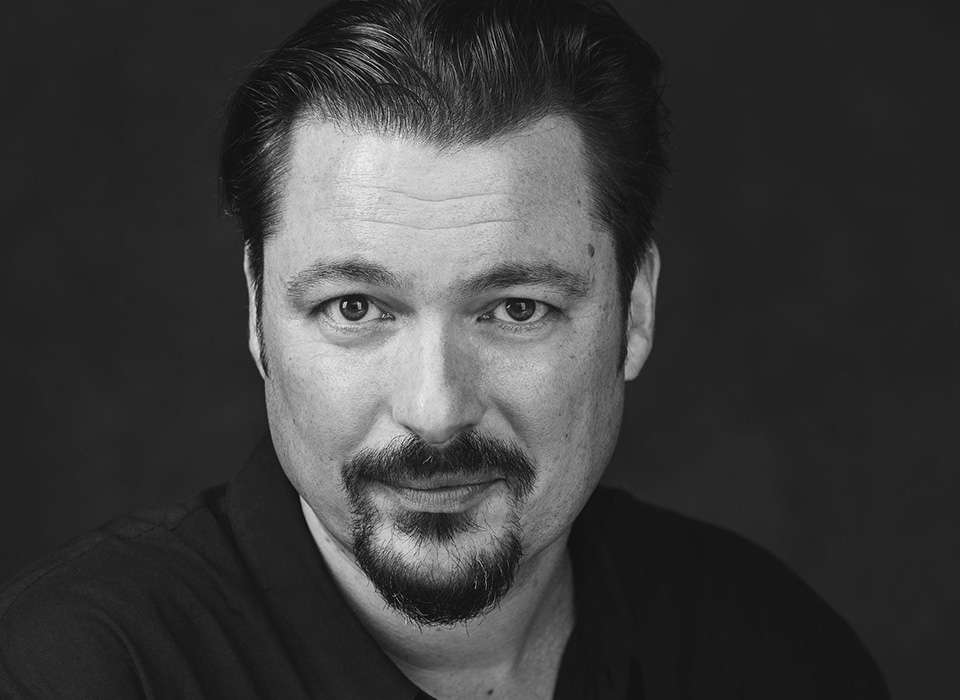
James Vanderbilt’s direction is confident, blending real archive footage with drama seamlessly. The pacing is steady without dragging, and the muted cinematography suits the heavy subject matter perfectly. There are moments of dark humour, moments of sadness, and the emotional shifts feel earned. I also appreciated the subtle parallels drawn with modern politics, particularly comments about “getting rid of foreigners.”
What makes this film especially relevant today is how it explores the dangers of excusing extreme beliefs under the guise of intelligence, charisma, or patriotism. It serves as a reminder that history doesn’t repeat itself by accident, but through people choosing to look the other way a message that feels particularly timely in the current political climate.
Perhaps the film’s final message is that we must avoid viewing war criminals and morally bankrupt actions as the work of monsters alone. These acts are committed by humans, and forgetting that truth is not only naïve but dangerous.
This is an adult, thought-provoking film that challenges the viewer rather than spoon-feeding answers. If you’re looking for a powerful historical drama that stays with you long after it ends, I’d highly recommend it. It’s available on Sky Cinema and it’s well worth your time.