

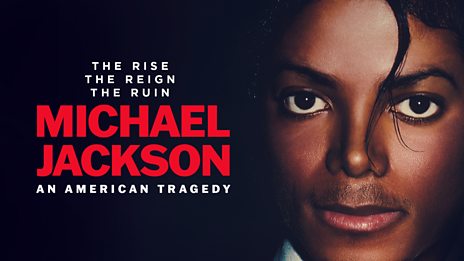
I haven’t seen many Michael Jackson documentaries before, and when he died I was too young to really understand everything surrounding him. I still liked his music, though, so watching this felt like filling in gaps I never properly explored.
The title of this three-part BBC documentary raises a bigger question: whose story is it really telling? Is it about Jackson and his decline into debt, addiction and public shame? Or does it centre on the children who have accused him of abuse, both in the past and still today? Could it instead reflect the emotional struggles of a former child star shaped by a harsh upbringing and a deep need for love and approval? Perhaps it highlights how the pressures of the music industry can consume even the most talented individuals. Or maybe it represents a wider American story about race and fame. In truth, it seems to be all of these things at once.
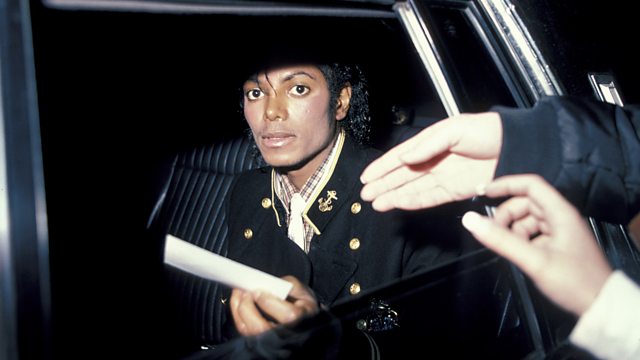
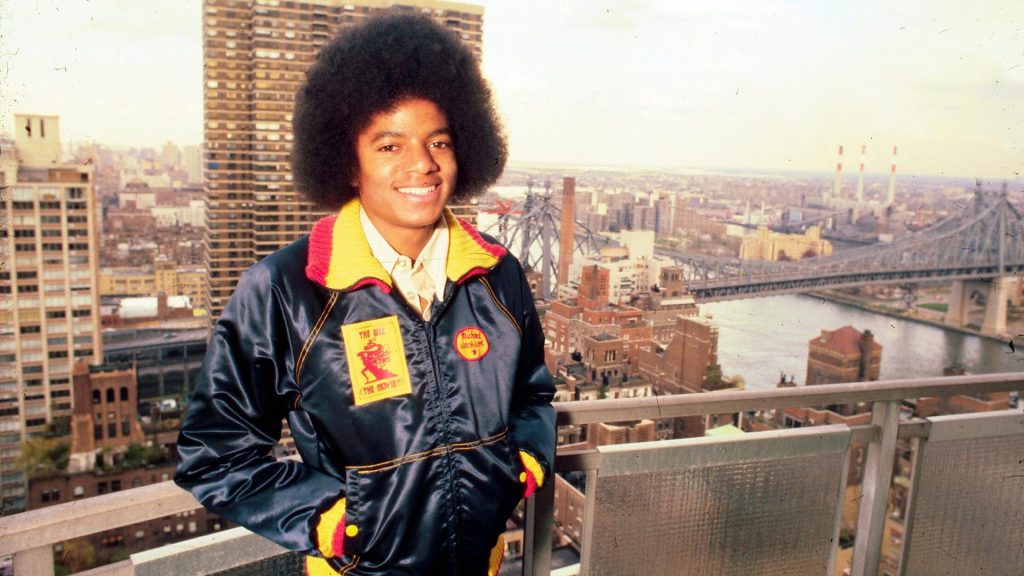
Across the episodes, the documentary traces Jackson’s rise from child star to global icon, before moving into the controversies that came to define his later life. It explores his relationships, the accusations against him, and the legal battles that followed, while also looking at the machinery of fame that surrounded him. At times it feels like several documentaries in one, trying to balance biography, investigation and cultural commentary all at once.
Different people describe Jackson’s life as a tragedy in different ways. Rabbi Shmuley Boteach suggests that despite receiving enormous global attention, Jackson remained deeply lonely. His childhood friend Michelle Breger found it painful to watch him lighten his skin, feeling it showed he was trying to remove part of his identity. Meanwhile, prosecutor Ron Zonen believed the real tragedy was that Jackson’s power and influence prevented justice, as he felt the allegations against him were clear.
Sometimes a life is simply too complicated to have easy answers, and this documentary captures that, even if it struggles to contain it.
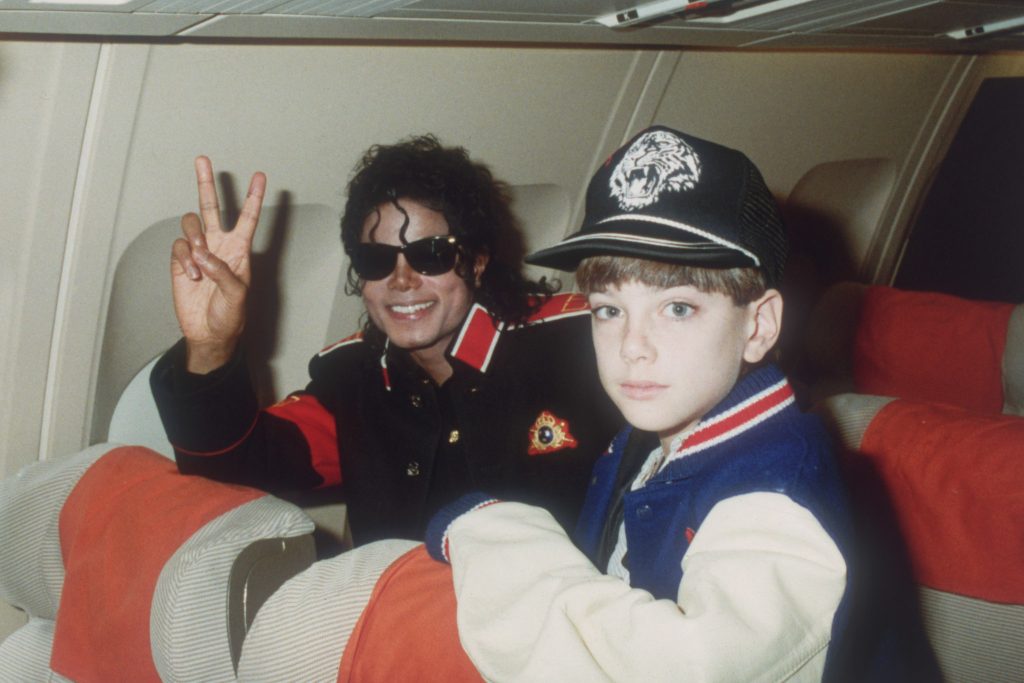
It makes a clear effort to present both sides fairly, but I’m not convinced a neutral position really works for a story this extreme. Trying to cover everything means nothing is explored quite deeply enough, and it feels like it would have benefited from more episodes to properly examine each theme.
I also wanted to hear more from La Toya Jackson. Even if she has been seen as an unreliable voice over the years, her perspective still feels important and slightly underused here.
At the end of the final episode, the documentary closes with a striking image of Jackson being portrayed almost like a religious figure, reflecting the scale of his self-belief. He speaks about children in a spiritual way, suggesting they represent something divine and reassuring to him. Even before this, the film includes a clip promoting the upcoming biopic, which feels like a slightly jarring addition. The very last moment, however, shifts focus to the alleged victims, giving them the final word through epilogue text that highlights their ongoing legal cases against his estate.
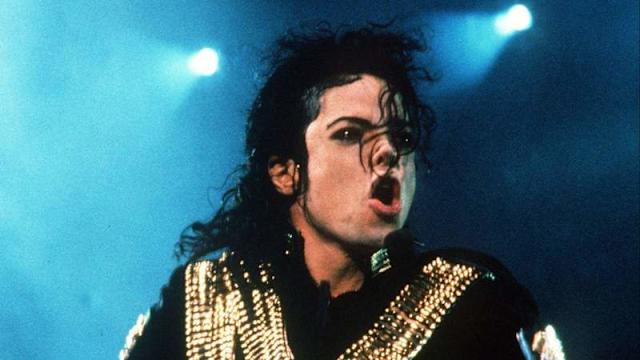
Maybe the real tragedy is the continued exploitation of his fame. New documentaries seem to appear every year, alongside big-budget films, all feeding off his legacy. It makes me wonder whether the young boy who was pushed and controlled by his father is still, in some way, being used even after his death.
In the end, it leaves a slightly uncomfortable question: does the truth even matter when there is still money to be made?