

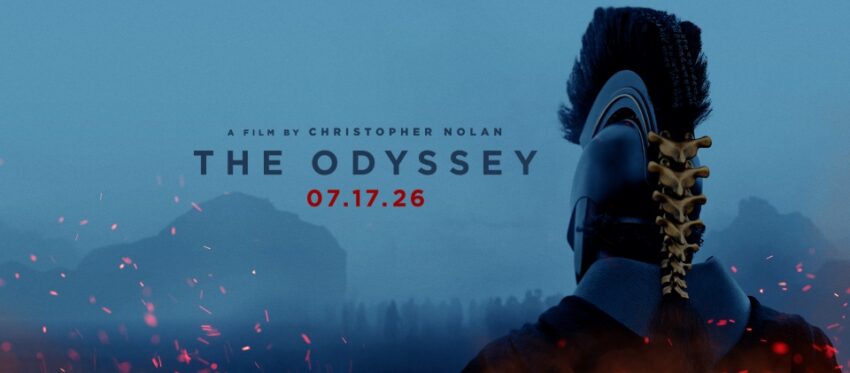
The Odyssey is one of the oldest stories in history. You could say it’s the origin of the hero, quest and adventure genre, mysteriously written or perhaps handed down orally in the 9th or 8th century BC. Christopher Nolan gives us a version equal to its iconic status.
The story tells the tale of Odysseus and his years-long journey home after the Trojan War. Our hero is instrumental in the war’s success by devising a plan using a wooden horse left on the beach outside Troy as a parting gift from the departing Greeks, who have seemingly given up the fight. Odysseus and his comrades are in fact hidden inside the horse and, after it is taken within the walls of Troy, they slip out under the cover of darkness and open the gates for the hidden Greek army to enter and win the war.
Thus begins his twenty-year journey home, where monsters and perils beset him and his crew at every turn, with Odysseus himself full of regret for the barbaric deeds committed during the war. Back in his kingdom of Ithaca, his waiting queen Penelope and son Telemachus are in danger too as suitors for her hand in marriage circle, believing Odysseus dead and seeing a chance to usurp the crown.
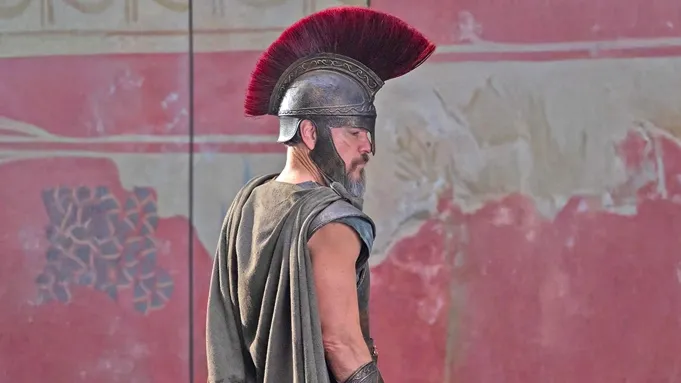
Where this film succeeds so well is in managing to breathe life into these intersecting storylines without them becoming boring. The editing is exceptional, moving backwards and forwards through time so that the story never gets bogged down in exposition and the action scenes can take centre stage.
As a small criticism though, I do think it helps if you know a little about The Odyssey before going in. The flashbacks and shifting timelines can occasionally be a little disorientating, especially early on, and if you’re completely unfamiliar with the story you might find yourself trying to piece everything together. It’s by no means essential, but reading a quick synopsis beforehand would definitely enhance the experience.
What spectacular set pieces they are!
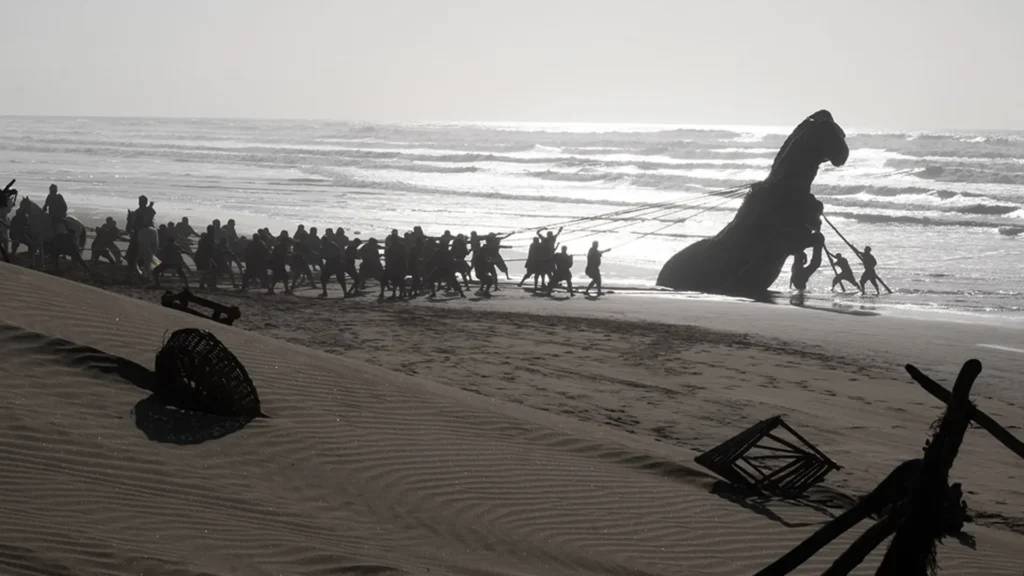
Odysseus meets giants, witches, sirens, massive whirlpools and even the dead in one dramatic scene after another, and Nolan’s use of CGI is so subtle that you immerse yourself completely in them in a way that so many other big-budget special effects films struggle to attain.
The whirlpool sequence in particular is astonishing. Knowing afterwards that Nolan used jet skis to create the huge circular currents around the outside before enhancing them digitally makes it even more impressive. It’s exactly the kind of filmmaking you want to see from someone like Nolan using practical effects wherever possible and only relying on CGI to enhance what has already been created.
I really liked the fact that Nolan used real locations for much of the action, which gave the movie a natural and visceral feel. Where sets were used there was never any sense of blue-screen CGI dominating the image. It was all seamless.
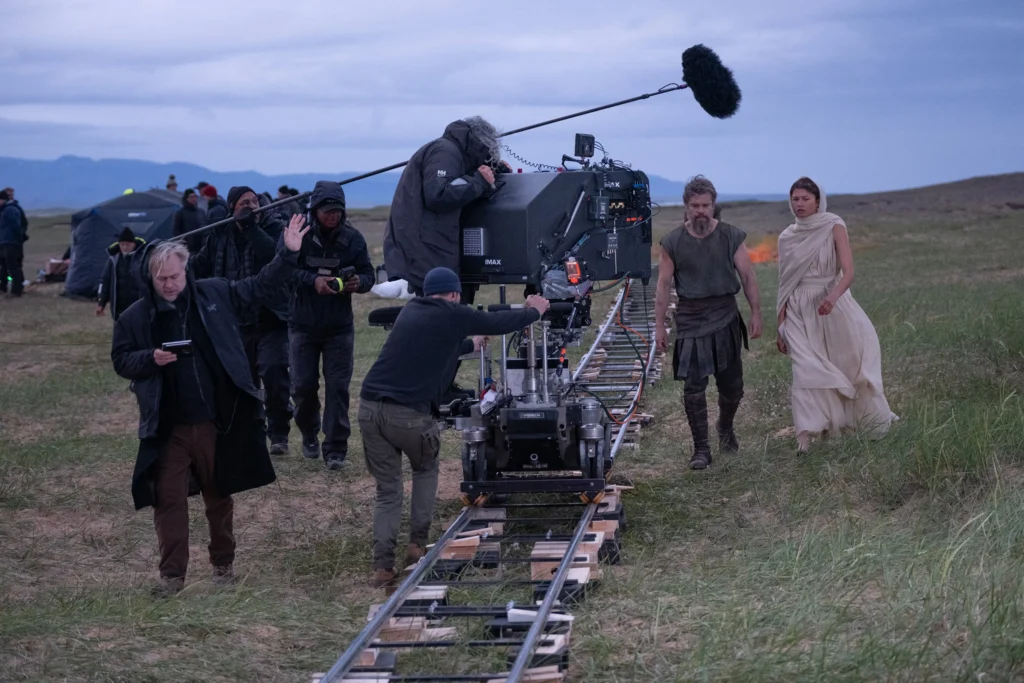
Given the mythic element of the narrative, it was fascinating to hear such a modern score that, for me, worked perfectly and, in a strange way, made the movie even more mysterious and compelling.
The cast was full of big stars, but they never distracted from the thrust of the story and there were some definite standouts.
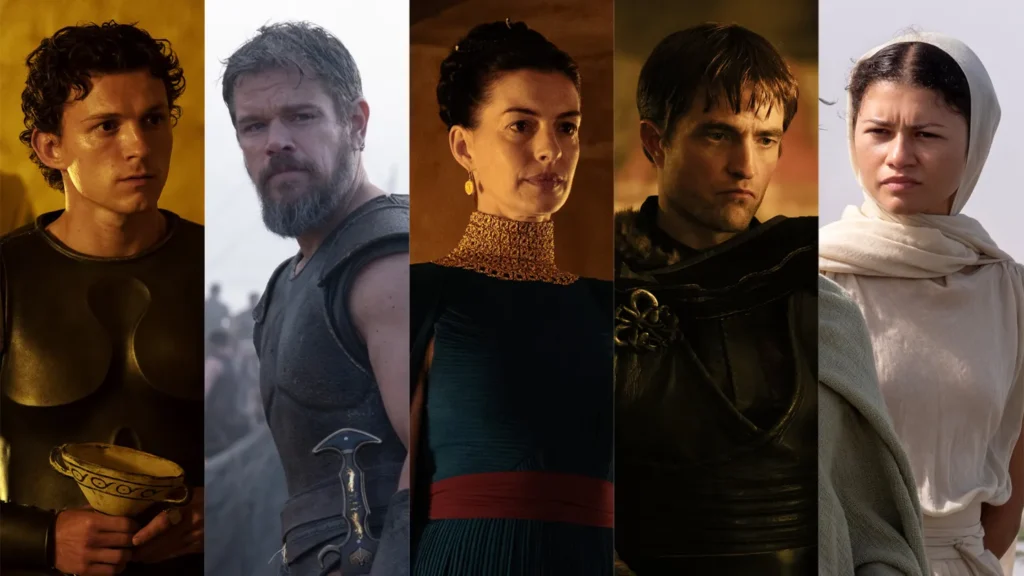
Matt Damon as Odysseus was exceptional, playing a hero full of determination to get home, but also a man haunted by his actions in the war and living with regret and loss. Hopefully the Oscars will take notice because this is one of the best performances of his career.
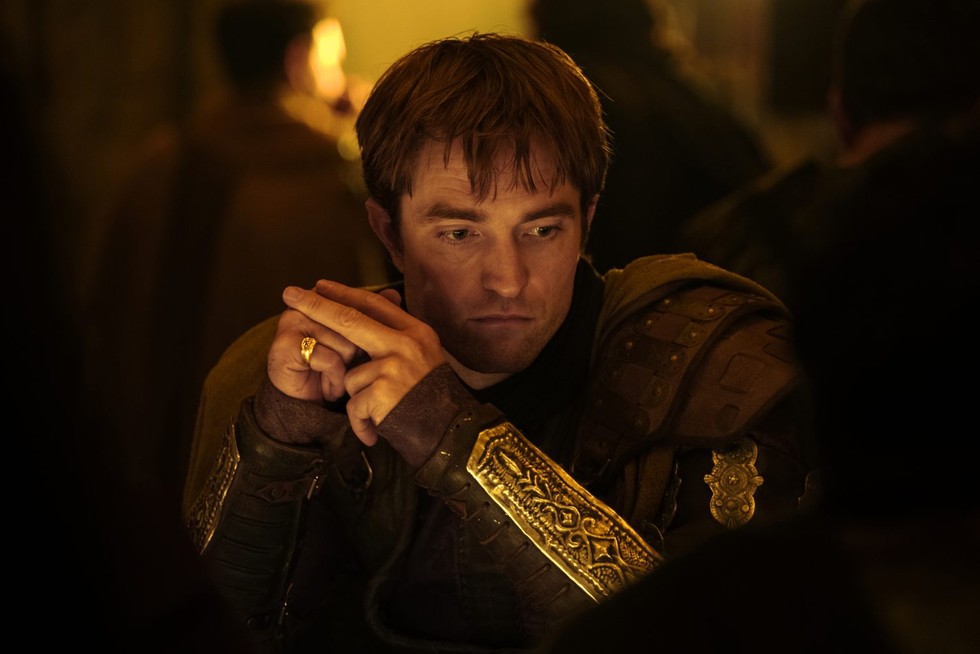
Robert Pattinson played Antinous, the cowardly chief suitor for Odysseus’ waiting wife, and it was great to see him play a proper baddie. I’ve always thought there was something in Pattinson’s handsome but strangely cruel face that would be perfect for a role like this, and he doesn’t disappoint. He absolutely relishes playing the villain and steals every scene he’s in. If there is any justice, he should be right in the mix for a Best Supporting Actor nomination come awards season.
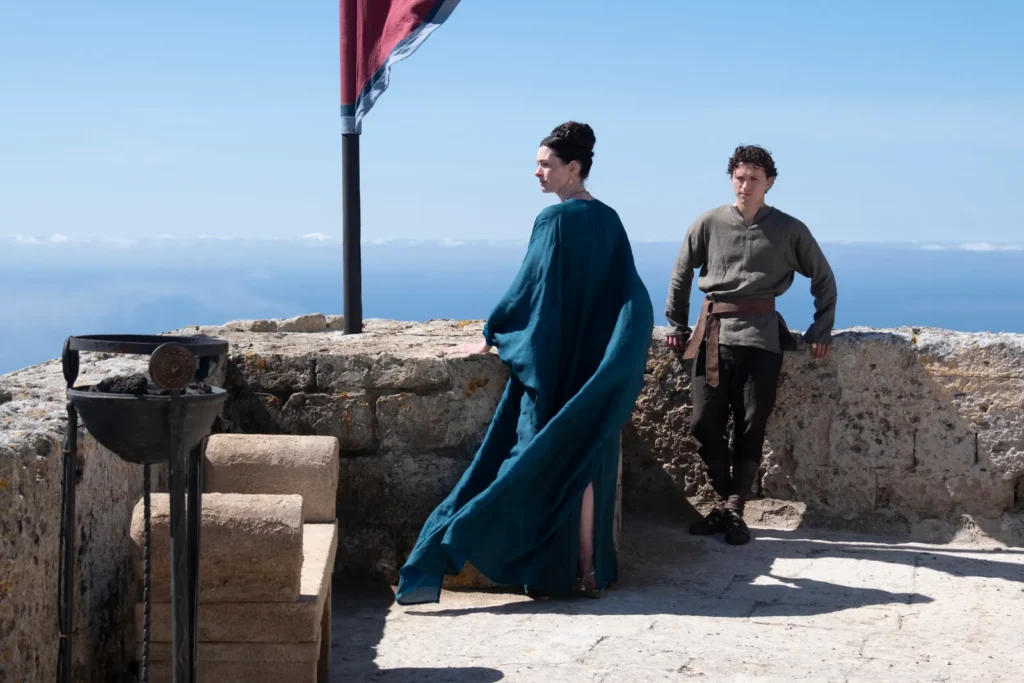
I’ve seen quite a few people saying Tom Holland gives one of the weaker performances in the film, and I honestly think that’s unfair. In many ways he has one of the hardest roles. Telemachus spends much of the film reacting to events rather than driving them, so it’s a much quieter performance than many of the others. I actually thought Holland grew into the role as the film went on, and the last hour contains some of his strongest acting in quite a while. By then he really convinces as a young man trying to live up to the reputation of a legendary father while protecting his mother and his kingdom.
Zendaya plays the god Athena, who appears in the form of a murdered Trojan girl, guiding, admonishing and helping ease the pain of the troubled Odysseus. Even though Zendaya has limited screen time, she is quietly impressive as the story’s conscience.
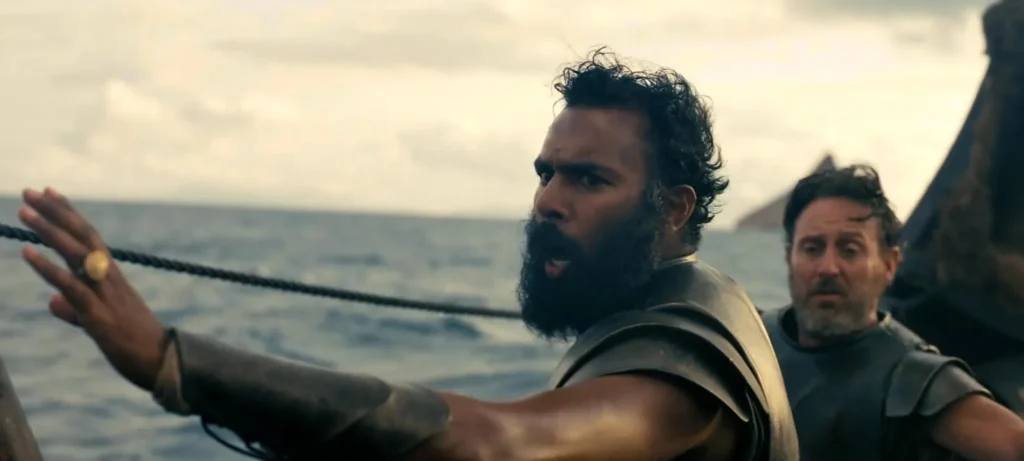
I also have to give a lot of credit to Himesh Patel as Eurylochus. In a film packed with heroes, gods and monsters, he somehow became the character I kept returning to. I genuinely found myself wondering how his story was going to end, and Patel gives the role a quiet humanity that makes him one of the film’s emotional anchors. It’s a terrific supporting performance.
Perhaps what struck me most while watching the film is just how much of modern storytelling owes a debt to The Odyssey. Most Western adventure stories have copied or borrowed from Homer in one way or another. The reluctant hero, the dangerous journey, strange lands, monsters, loyal companions, the long road home and the final battle to reclaim what has been lost it’s all here. Watching Nolan’s adaptation is a reminder that countless films, books and television series have been following this blueprint for centuries.
I wasn’t sure if I would enjoy this film, but it gripped me and held my attention throughout its two hours and forty-five minutes.
Nolan has made a thoughtful and ambitious movie out of a tale of gods, monsters and heroes, while also making it feel surprisingly relevant and modern with its depiction of the horrors of war and the emotional scars it leaves behind.
Even more impressive is that it’s highly entertaining.
Excellent take on the movie, shared most of my thoughts I must say.