

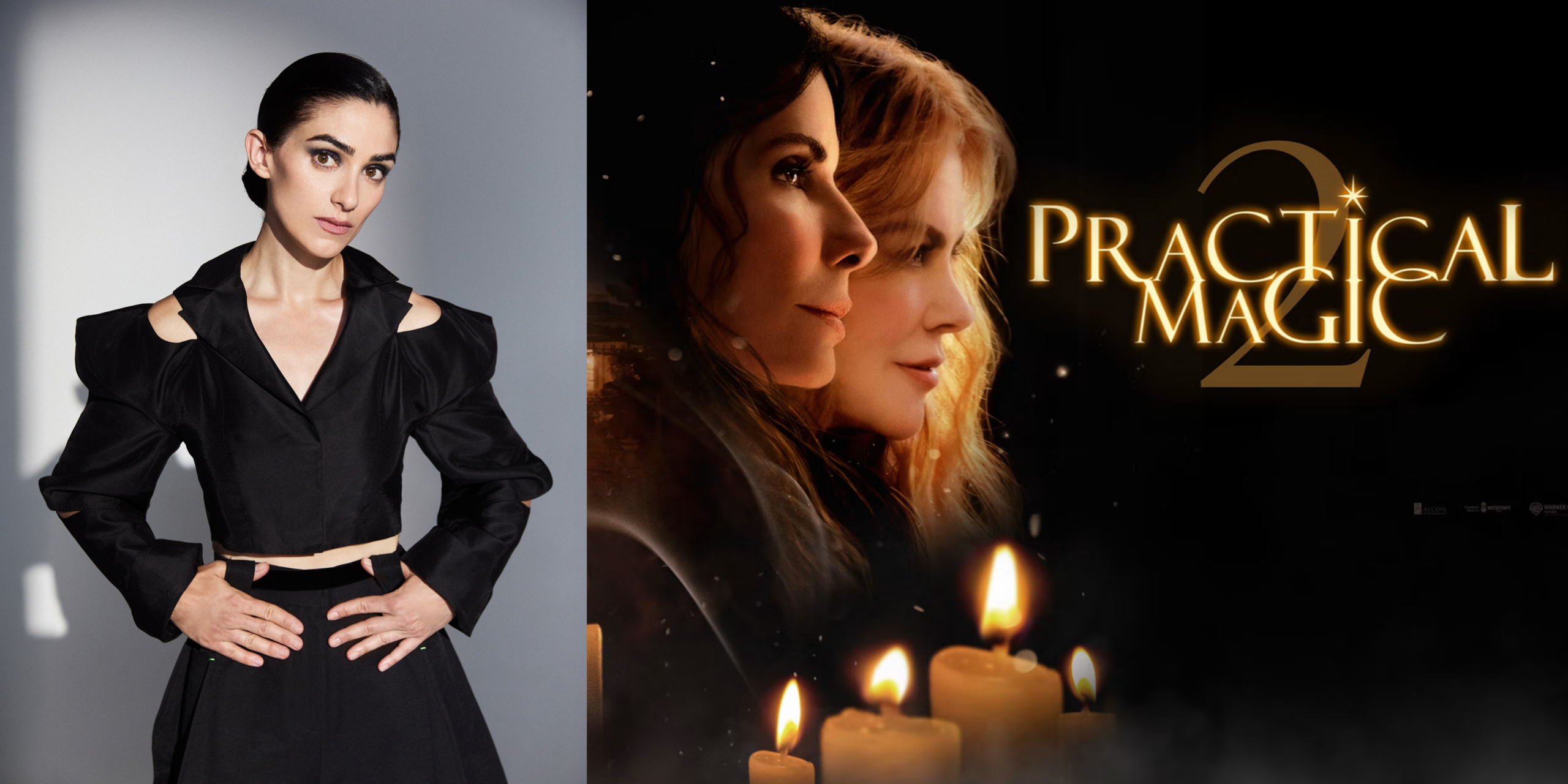
From the magical world of Practical Magic 2 to the intimate stage of Greenwich Theatre, Cassie Bradley is currently stepping into two very different worlds.
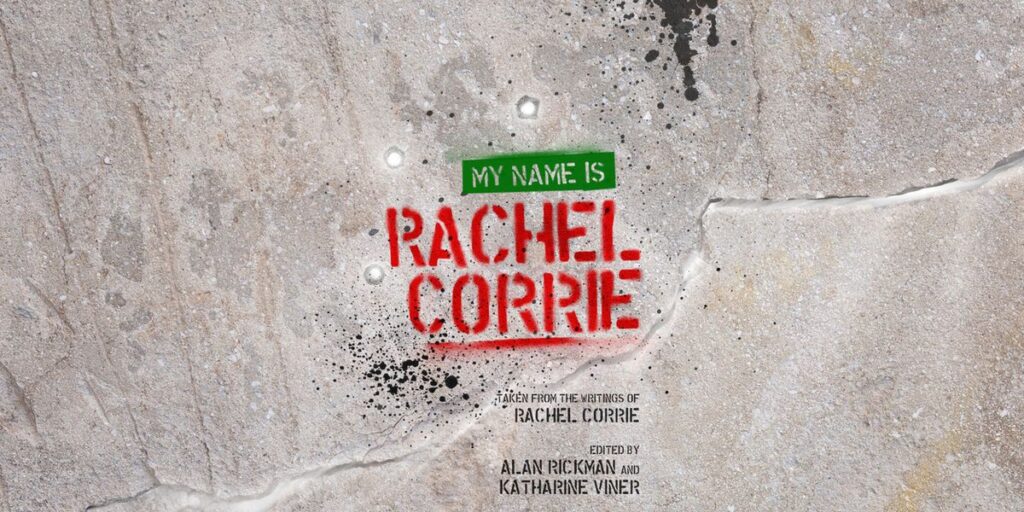
Bradley plays Hannah Owens in Practical Magic 2, alongside Sandra Bullock and Nicole Kidman, while also preparing to take on the demanding role of Rachel Corrie in the one-woman production My Name Is Rachel Corrie, bringing Corrie’s own words, diaries and emails to life.
For Bradley, however, creating a character always starts from the same place: finding the truth. In this interview for Over the Shoulder, we talk about moving between stage and screen, joining the Practical Magic universe, bringing Rachel’s story to the stage, and the lessons she’s picked up throughout her career.
So, let’s get into the interview…
You’ve gone from playing Hannah Owens in Practical Magic 2, alongside Sandra Bullock and Nicole Kidman, to carrying an entire production on your own in My Name Is Rachel Corrie. How different does that feel as an actor?
When I come to create a character, I use lots of different techniques, but it’s always from the same base level of truth, asking questions like: Who is this person?… What do they like?… What do they dislike?… How do they move?… What’s their voice?… Do they have an accent? Key questions that help unlock layers.
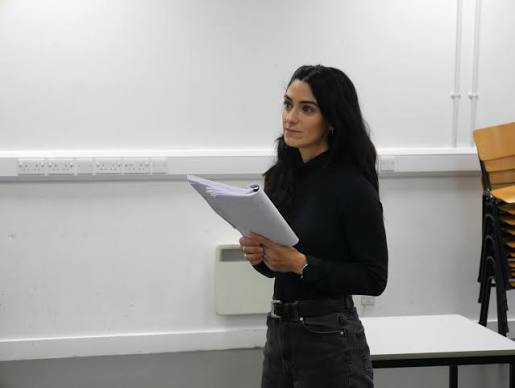
They’re two completely different projects in terms of scale: the set of Practical Magic 2 had such an enormous amount of people involved in the filmmaking process, and now I’m in our wonderful rehearsal room at Greenwich, where it’s just me, James Haddrell (director) and Cora Parkinson (stage manager).
Both have been processes filled with creativity and I love jumping into different worlds. It’s been so interesting doing the press for Practical Magic 2 alongside rehearsals for Rachel Corrie, because yo-yo-ing between these two worlds does feel quite magical.
This is a one-woman show, so there’s nowhere to hide. What’s the biggest challenge of being on stage essentially alone for 90 minutes?
It’s probably the stamina and energy needed to hold the audience’s attention and do justice to the story. I think often in larger scale shows there’s so much going on: there are set changes, costume quick changes, lots of music and lighting effects, not to mention multiple characters with interwoven arcs to follow.
With this production, it’s really stripped back in terms of telling Rachel’s story with her own words. I never leave the stage and everything happens in full view of the audience so we’re celebrating the magic of pure storytelling – one voice taking the audience on a journey.
It’s all about stamina, endurance and energy, and I’m so excited.
What was the first thing you discovered about Rachel that made you feel you understood her?
When I read the script, the sheer number of questions she asks really put me into her headspace, because I think she asks such deeply human questions about the world, conflict and about our place and our responsibility to others. Her words really highlight relatable vulnerabilities, fears, anxieties about the world and a compulsion to action; a need to do something.
Her questions were an amazing way into her mind.
Is there a particular diary entry, email or moment in the play that you found especially difficult to perform?
The reason we’re doing this play, and the reason I think it’s so important, is because a lot of the questions she asks are difficult, complex and they don’t have easy answers.
There’s one line where she says: “We can look at that history and then choose which side we want to be on now, and how willing we are to fight. We are not outside.”
This concept of not being outside a space; acknowledging that we are in a world in which there are all these political instabilities and global conflicts and navigating how we deal with that feels so urgent. It can often feel extremely lonely wrestling with these enormous issues and questions as an individual, navigating everyday life.
Minute to minute we are bombarded with images and stories depicting the human cost of conflict: through our smartphones, our screens and on 24 hour rolling news. Sometimes it feels easier to bury our fears, swallow our questions and numb our internal wrestlings rather then articulate them purely in order to survive – to get through the day. This show is urgent and necessary because it cracks open these internal struggles and gives voice to what so many of us are thinking and feeling beneath our instinct to survive. This play is teaching me that things may be difficult but we need to engage with them and talk about them – we are not outside.
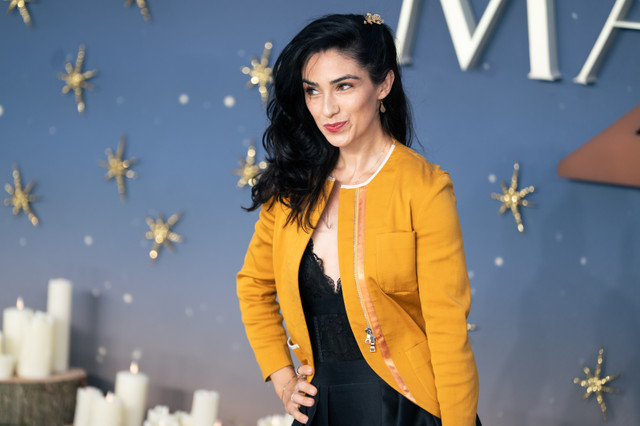
Hannah is a new character in a world that audiences already feel very attached to. How did you make her feel like she belonged in the Owens family while still making her your own?
I love Alice Hoffman’s books, and I have for a long while. I re-read Magic Lessons, which is the prequel to Practical Magic, and the film actually uses a lot of that foundational information.
Although Hannah Owens has been transposed as a character for the film, I did use a lot of the descriptions in Magic Lessons and The Book of Magic to build my Hannah Owens: her connection to nature, her magical abilities and powers, her skills in the undefined arts, and her great selflessness and kindness – I found those foundations in the books.
On another level, when you’re an actor playing these huge characters, you almost have to forget their legacy and their status as cultural symbols or metaphors.
When I approached Mary Magdalene for Jesus His Life (Amazon) I realised that you can’t play a symbol as an actor – that’s an impossible quest. You have to really look at them as a human, look at who they are and what they’re made of.
For Hannah Owens I steeped myself in research from the books and in historical information about the witch trials. Stepping onto set at Old Wardour Castle in Wiltshire was an incredible experience – being able to immerse myself in that environment and have the freedom to improvise.
How long were you on location for?
It varied because there was a massive schedule with lots of moving parts. I did all of my filming on location but the iconic house was at Leavesden Studios and with costume fittings and hair and make-up tests, for me everything was spread over about a month.
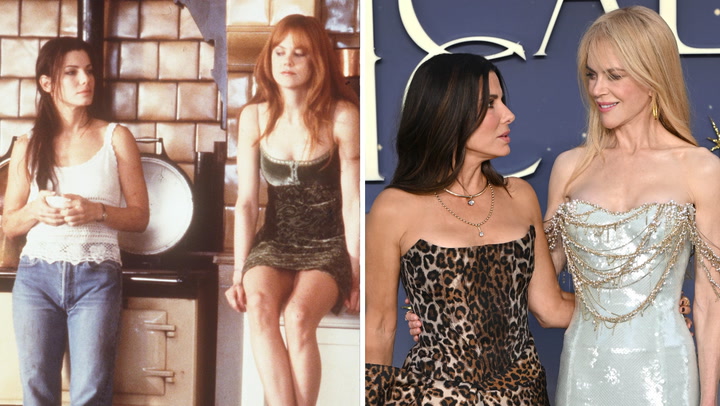
What was it actually like working alongside Sandra Bullock and Nicole Kidman?
When you see the film you’ll see that my story exists in a different century to them. All of my filming was actually done alone, which will make sense when you see the film. But Sandra and Nicole are incredible. They are executive producers on the project, they had so much to do with everything, were so deeply involved, and had such a creative input into it.
It was such an honour to be part of this world that they decided to bring back, and such an iconic production.
I think the film’s message of sisterhood and empowerment was really put into practice on set, because there were so many female heads of departments: Suzanne Bier directed, we had Alexandra Byrne as costume designer, Jina Jay cast it – it really felt like such a thematic reflection in the filmmaking process, which is really wonderful and so necessary in progressing inclusivity in our industry.
Which would terrify you more: forgetting a line in a one-woman play or accidentally spoiling Practical Magic 2?
Amazing question! I think they’d both give me nightmares, but I think that’s what’s wonderful about this job that I’m privileged to do…
Things will never go perfectly, no matter whether you’re on a set dealing with the weather, or in a theatre with a live audience where there are coughs and sneezes and phones going off (hopefully not but sadly happens too often!) – unpredictability is part of the reality of performing.
I think whether you forget a line on stage or do something on set, you’ve got to use your training. I think the worst thing is to shatter the illusion. I think that’s what frightens me: if the illusion is broken and the story disrupted – if the magic disappears!
So, I think I would just plough on: on stage, or on set – try to make the mistake integral to the plot as if it was always meant to happen.
Do you find that the character stays with you after you’ve finished filming or performing, or are you someone who can switch off the moment you leave the stage or set?
That’s a brilliant question. I think I have techniques for trying to let go and return to my own life. I love running, and it gives me an amazing headspace, especially after a day of rehearsals or at the end of a session on set. I think it’s an amazing way to shake off the day.
I think characters and projects do live with you because you’re constantly thinking about them and generating new ideas.
With My Name Is Rachel Corrie, I think just sitting with her words, especially over this research and development process and the rehearsal process, it is really inflecting my life view when I look at the media. As I’m learning her words I’m really unpacking what her headspace must’ve been when she wrote them.
I think that’s a wonderful thing about being able to jump into these different worlds as an actor, and I think it is helpful to some extent to have it simmering at the back of your mind, as long as it doesn’t take over.
I think it’s important, at times, to sit in a character’s world, and then it’s also amazing to shake it off and say, “That’s not me.”
What’s a piece of advice you’ve received that has genuinely changed the way you work?
I don’t know why this has just popped into my head, but when I did King Lear as my first job out of drama school at the National Theatre, I got really excited when they gave us socks! It was part of my costume but because I’d just come from drama school and council-run drama classes (where you had to provide a lot of your own costume) I said: “Oh my goodness, you get socks!” And at that moment Adrian Scarborough popped his head around the door and went, “You don’t always get socks. Don’t take it for granted.”
In a way, that’s an amazing metaphor for how I’ve approached my work: don’t take anything for granted: every job is a privilege, every audition is an amazing opportunity, and it’s a hard profession – don’t ever skip the gratitude for the socks.
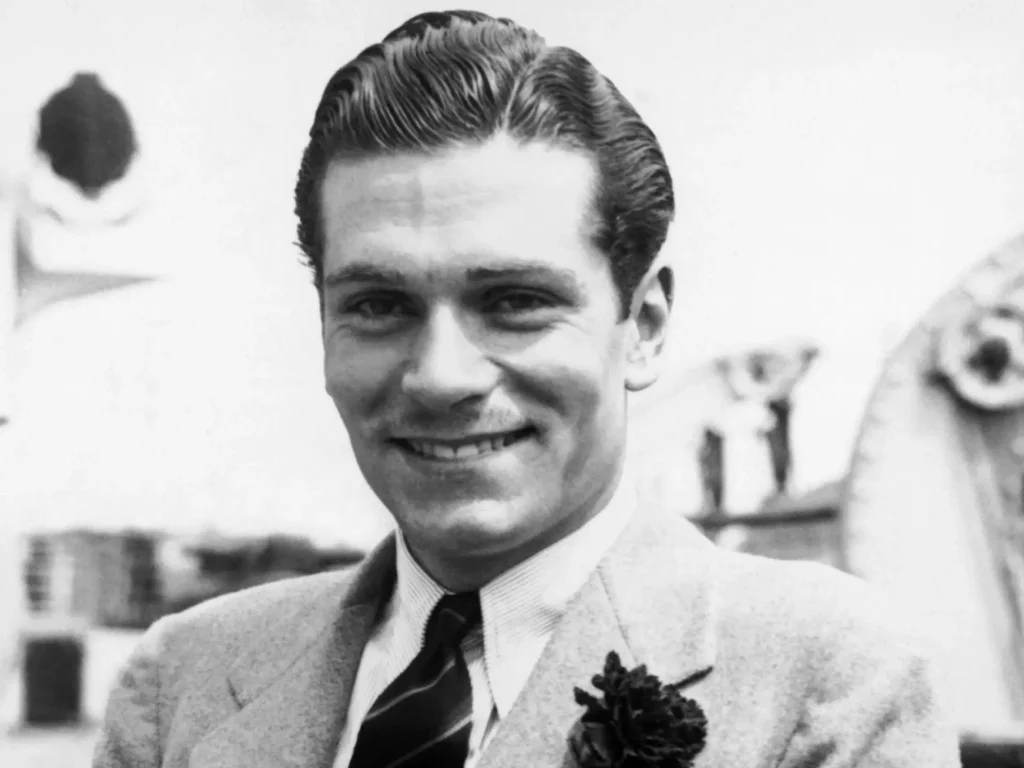
If you could work with any actor, dead or alive, who would it be?
I would love to work with Laurence Olivier! He’s such an icon and a legend, and I would love to sit in a rehearsal room with him and explore a play.
What question would you like to be asked but never have been?
Would you like a trip into space?
Are there any projects or aspirations waiting down the road for you that you can tell me about?
I hope to continue to take on projects I’m passionate about and that have an impact. I’m so excited to put Rachel Corrie’s words on stage and immerse myself in this world. I don’t know what’s next but that’s exciting.
For now, Bradley’s focus is firmly on My Name Is Rachel Corrie and the challenge of bringing Rachel’s words to life on stage. Moving between the scale of Practical Magic 2 and the intimacy of a one-woman production, she describes the experience as “magical” being able to “jump into these different worlds” before finding her way back to herself.
If Bradley could step into one more world, her answer is perhaps fitting for an actor: a rehearsal room with Laurence Olivier, with the opportunity to learn from one of theatre’s greats.