


Actor Ramona Floyd appears in the gripping Disney+/Hulu true crime series Murdaugh Murders, stepping into a world still raw from recent headlines.
In this conversation, Floyd opens up about what drew her to the project, how she approached portraying a real person, and why grounding emotional truth mattered more than mimicry. Warm, candid, and quietly funny, she offers thoughtful insights into the craft of acting and how to stay light even when the work is heavy.
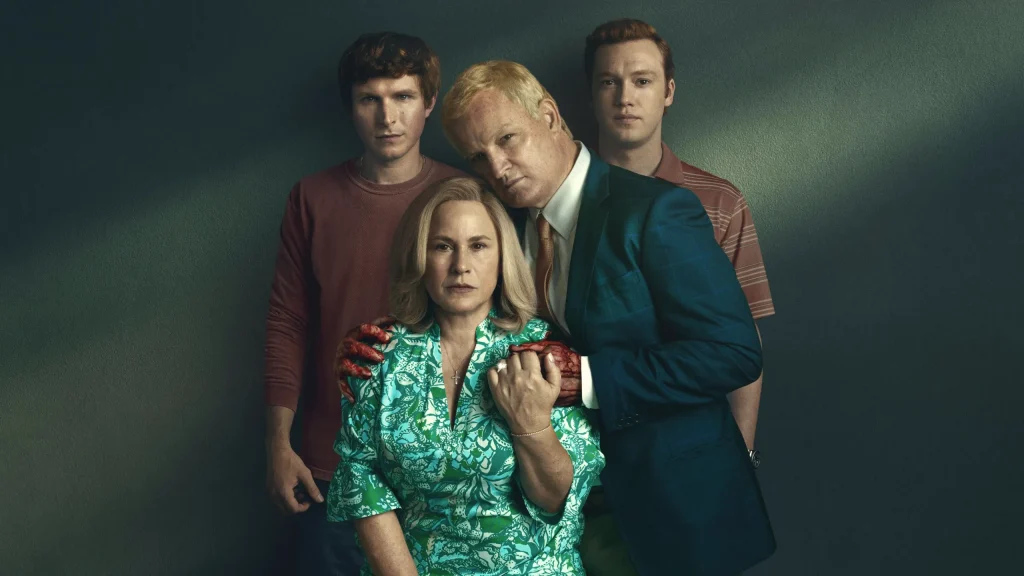
You appear in Disney+/Hulu series Murdaugh Murders. What drew you to this project and how did you approach stepping into a story that is based on real recent event?
What drew me to the story was definitely the true crime aspect. The fact that this was based on real events really intrigued me. I was compelled to investigate the emotional truth of the characters that the writers developed in the script. It’s slightly different from reality, but we still honour the essence through hair, wardrobe, costume, and makeup.
I worked closely with the actors playing the family building a believable dynamic that reflected the privileges passed down through generations, and how those privileges held or fractured when tragedy hit. I was fascinated by who in the family stayed loyal to Alex who questioned him, and where their faith was tested.
My character, Lynn, is the only daughter among Randolph and Libby’s four children. Alex, of course, is at the centre of this particular story.
There’s a scene in one of the early episodes that really stuck with me. It’s a family gathering, and Alex’s mother who’s suffering from dementia suddenly recalls something from years ago. She tells the story of how, when she was younger, her husband once published a fake obituary for her in the newspaper as a “joke” because she had threatened to leave him. Everyone in the room goes quiet. It’s such a chilling moment because it’s treated so casually almost like family folklore, but it reveals so much about the kind of control and intimidation that existed within that world.
My character, Lynn, grew up with that story. I felt that she knew her father had done that, and that it was never to be spoken of again. That kind of control became part of the family’s fabric. For me, that scene was a key to understanding her she’s someone who learned early on to keep her head down, stay positive, and do her best, even when the truth is uncomfortable.
Did you know anything about the case beforehand?
Honestly, no. I didn’t know much at all about the real case. My daughter’s a millennial and absolutely obsessed with true crime. She knew everything. She was like, “I can tell you the whole story!” That gave me a great running start.
When we first got to set, J. Smith-Cameron and I were trying to figure out who was related to who. I built a little family chart—there are a lot of moving parts!
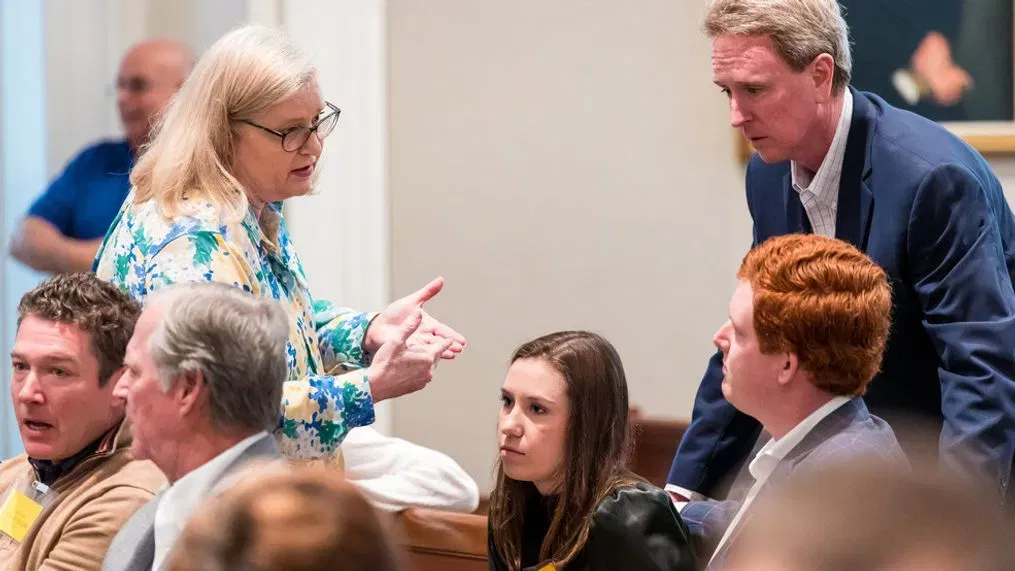
It was surreal that we started shooting around the anniversary of the boating accident, and our final day on set fell on the anniversary of the murders. You definitely take a moment to remember that these were real lives. We wanted to stay true to the emotional core, even though it’s a dramatization.
Did you do any particular research or preparation to help ground your performance. Did you meet any real people connected to the case?
No, I didn’t meet any of the real people involved. I watched a lot of the trial footage. It was helpful to see how Lynn moved, how she carried herself. Watching her in court, you could see how she was trying to help her brother and stay composed. That restraint informed a lot of my choices.
Given the heavy material, how did you and the cast unwind on set?
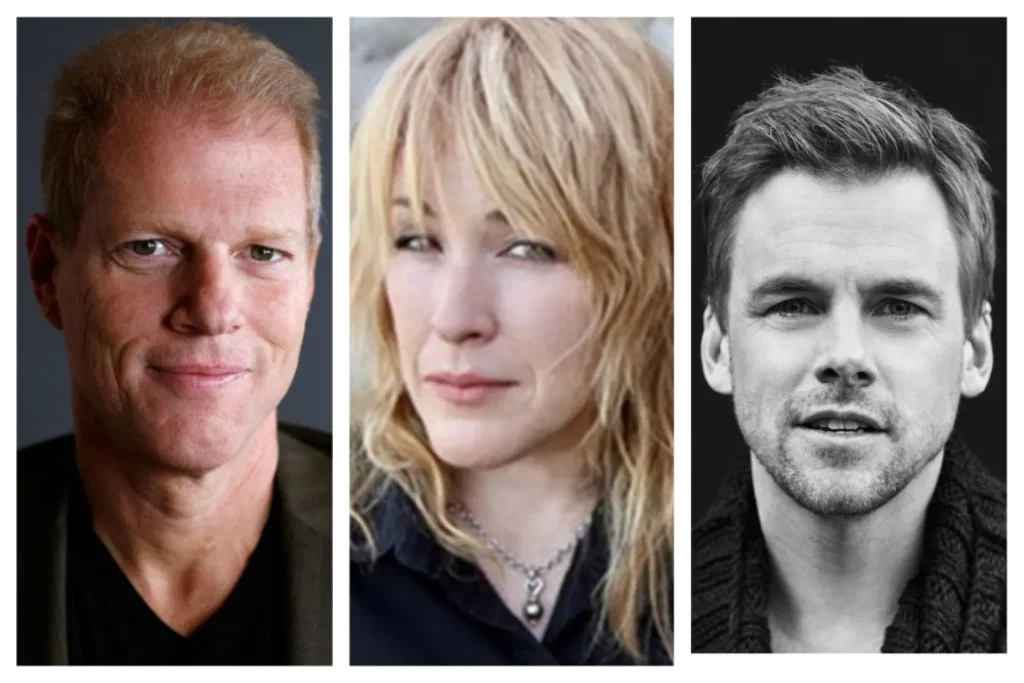
We had a pretty close group, especially among the siblings. When you’re on a long shoot like that, you become a little theatre company. Patch, who plays John Marvin Murdaugh, was the one I ended up hanging out with at the wrap party. Noah, who plays Randy Murdaugh, has such a great sense of humour. While we were waiting for setups, Patch and Noah kept the mood light. It helps with such dark material.
We were also compartmentalised in some ways, like Mandy’s podcaster storyline. I didn’t meet her until six or seven episodes in. It was nice to meet her when we crossed paths in the green room.
Was there a particular scene that challenged you most emotionally or technically?
The scene where Libby recalls her husband writing that obituary. On paper, it resonated, but on set, it felt bigger. All the women in the kitchen trying to have a nice Christmas gathering, and then the Libby brings up this dark memory. Watching Patricia work was always a masterclass.
Did you or the cast have conversations about balancing authenticity with artistic interpretation?
Once you start shooting, the script really becomes your guide. One thing I loved about this project is that it had multiple directors each brought their own interpretation and rhythm.
I brought my version of Lynn, but it’s never just me. There’s Joseph La Corte, our costume designer, who found identical wardrobe and statement necklaces to the ones she wore in court. They even dyed my hair blonde. It’s such a collaborative process.
If you could direct or star in any play classic or contemporary. What would it be and why?
Oh, great question. For the longest time, I wanted to do Who’s Afraid of Virginia Woolf? that was on my bucket list. I think I’ve probably aged out of that one now, but it’s still a favourite.
Maybe something with a Western flavour? I’m a huge Deadwood fan.
I do enjoy originating characters with new works. I’m often drawn to new material with emerging or seasoned writers.
What’s the most unusual or memorable note a director has given you?
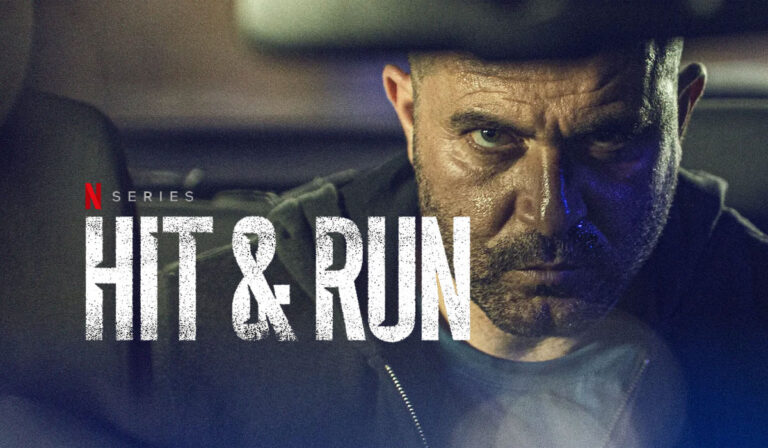
I did a small co-star role on Hit and Run, directed by Mike Barker who also directed The Handmaid’s Tale. I remember being so thrilled that he was directing. When we wrapped the scene, he just said, “I love your disdain.” It was such a simple little thing, but sometimes that’s all you need that day.
Earlier in my career, I worked with a theatre director who taught me to verbalize “thoughts out loud” when working a scene basically just revealing your subtext to find the emotional core. I still use that exercise today.
You’ve also done some anime voice over work. What’s your process for creating a character purely through voice?
Consistency is everything. You might love a particular voice, but you have to ask, Can I sustain this for eight episodes? Can I come back to it months later?
I think about two things: first, can I maintain the voice physically, and second, how does it sound in relation to the other characters? You don’t want everyone blending together.
Are there any similarities between being behind the mic for radio and doing voice over work for animation?
I used to do a punk radio show years ago where we interviewed people and did some sketches. Radio has its own rhythm, and you have to be aware of FCC language rules!
Anime is way more technical. You’re matching lip flaps, reading the script and watching the video, timing your delivery exactly. It’s fun once you find the rhythm, but it’s definitely a different kind of focus.
What’s next for you after Murdaugh Murders any upcoming theatre, voice, or film projects you can tease?
I just finished shooting a supporting role in an indie feature called Scrub, directed by the wonderful K.Page Stuart Valdes. It’s such a fun shift from Lynn, who’s very reserved and family focused. Scrub let me loosen up and play with a louder and rougher character. I can’t wait for people to see it.
Ramona Floyd approaches her craft with empathy, humour, and precision whether she’s embodying a complex real-life figure or finding the right pitch for an animated voice. Her portrayal of Lynn in Murdaugh Murders reveals not just the darkness of a true crime story, but the quiet resilience of a woman navigating loyalty, legacy, and denial.
Floyd sums it up best herself: “You remember what you’re doing here — they’re real lives but we’re playing the emotional truth.”