


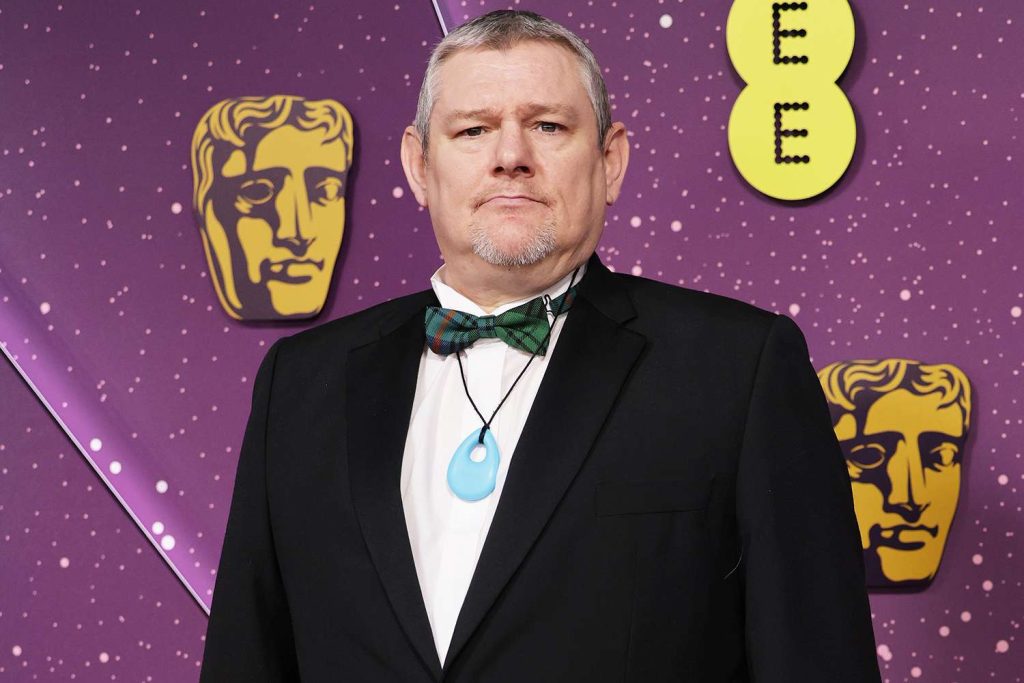
After watching the BAFTAs, it’s hard to ignore how nuanced and complicated this situation really is. There was a strong and justified condemnation of the slur itself but when Alan Cumming read a quickly prepared statement it all felt a bit rushed and thoughtless. He said at the end, “we apologised if you were offended,” it slightly missed the point. The phrasing ‘IF you were offended’, especially to the black attendees is a bit insulting. Of course they would be offended by that word, regardless of the context or disability.
At the same time, I do understand that it was described as involuntary, and I believe the intent wasn’t to hurt anyone. It is obvious he meant it but impact still matters, and that’s where something felt missing. From what I’ve heard, there wasn’t an immediate apology in the moment, and I think that could have made a real difference. If he had explained it was a tic and then apologised directly to those affected straight afterwards, it might have softened some of the backlash.
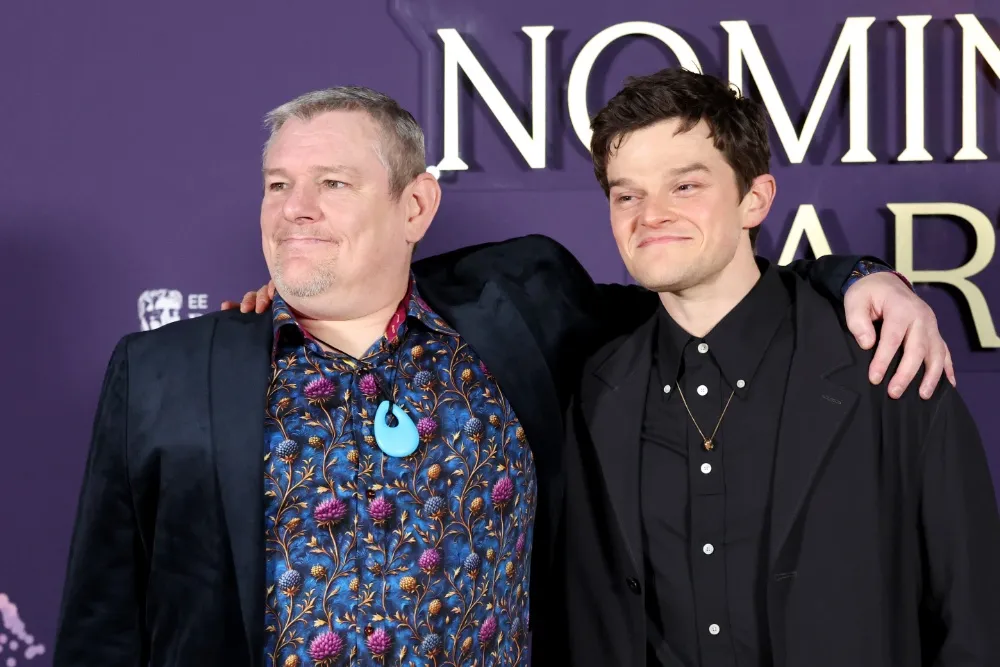
That said, in his first interview since the event with Variety, John did address what happened. His team shared that he reached out to apologise directly, and he spoke openly about his Tourette’s describing how it can feel “spiteful,” often pushing out the most upsetting words possible. He made it clear that what comes out during a tic is the complete opposite of what he believes, and that the slur is something he would never say otherwise and strongly condemns.
He also pointed out that multiple offensive words were part of his tics that night, not just one though understandably, the focus has been on that single word because of its historical weight and that’s important too.
Watching the Swoop documentary added another layer for me. I didn’t realise he chose to leave the auditorium early because he was aware of the distress his tics were causing. That shows awareness and concern but by that point, the moment had already landed.
Overall, even if the intent wasn’t harmful, the situation had a huge ripple effect not just within the industry, but publicly and internationally.
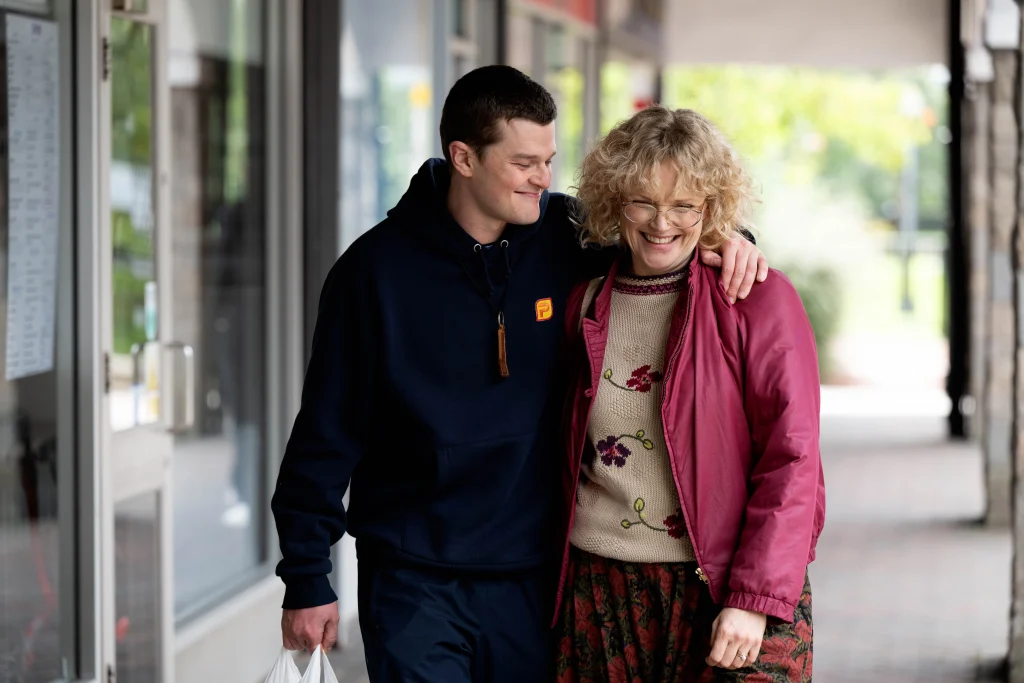
That’s exactly what makes I Swear so interesting. Rather than simply retelling what happened, it reshapes the story into something more reflective, asking the audience to sit with both the reality of Tourette’s and the consequences of how it’s perceived.
Directed by Kirk Jones who I was surprised (and kind of delighted) to realise that he also made Nanny McPhee the film balances emotion with a really engaging narrative.
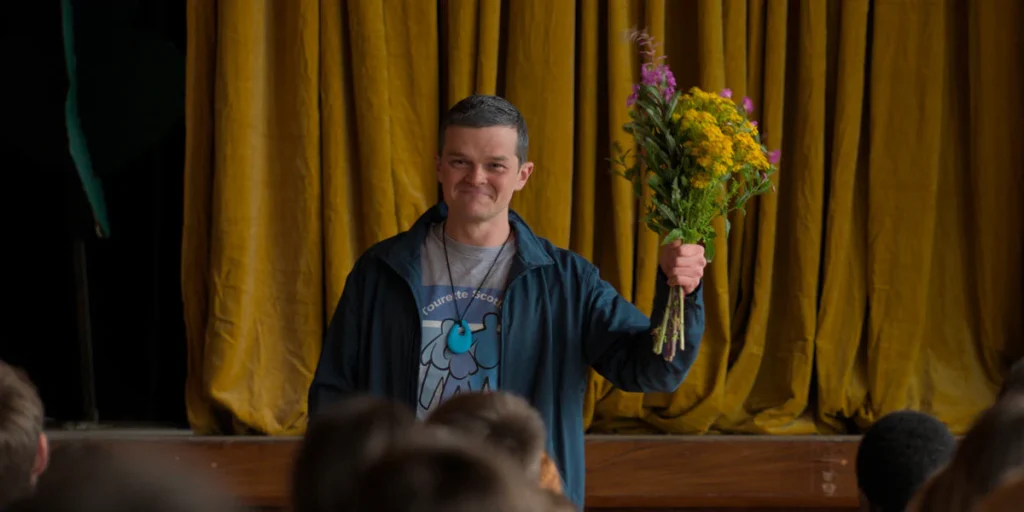
At its core, the story follows John Davidson, a man growing up with Tourette syndrome in 1980s Scotland, navigating a world that doesn’t understand him. Over time, he finds his voice and becomes an advocate, pushing for awareness and change in how people see the condition.
One of the most striking moments comes just before he’s due to receive his MBE, when he involuntarily shouts something shocking at the worst possible time. It’s not a reflection of how he truly feels in reality, he’s proud and honoured but it captures something very human: that clash between internal emotion, pressure, and loss of control. That split second where your body betrays you. The film really leans into that discomfort, and it works.
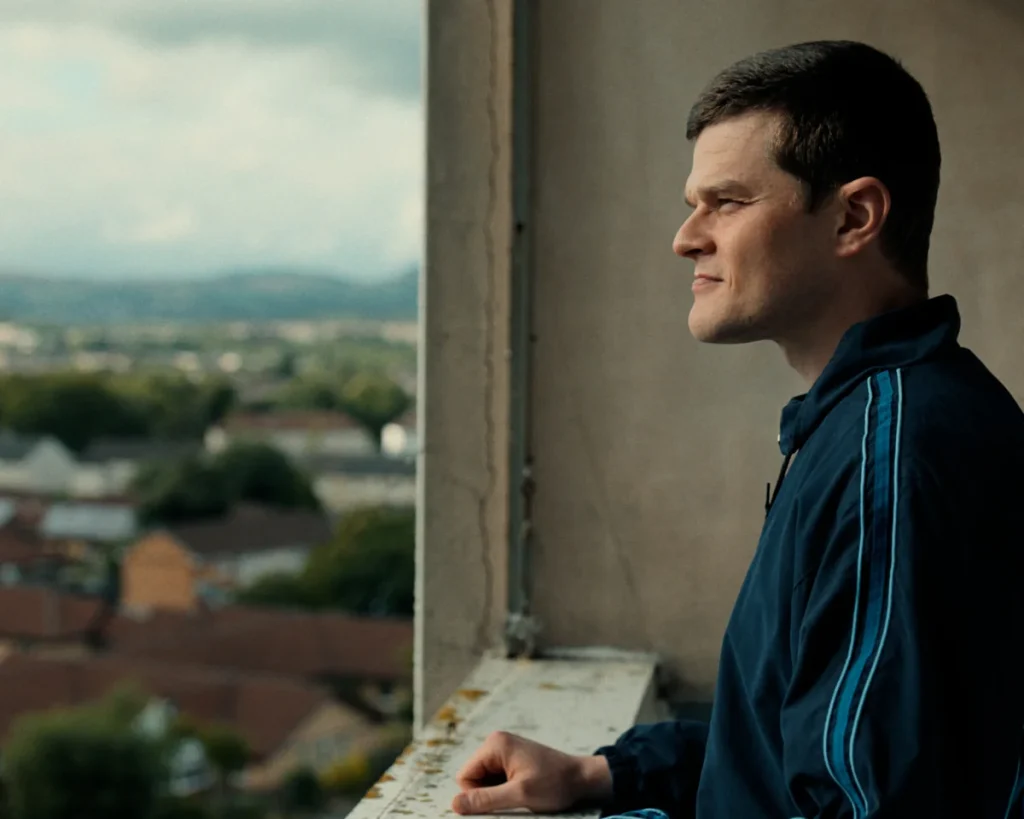
It helps that Robert Aramayo is genuinely incredible as John Davidson and it’s no surprise he won the BAFTA. His performance feels full of heart, honesty, and intelligence, with a kind of quiet charm that makes the character feel real rather than performed.
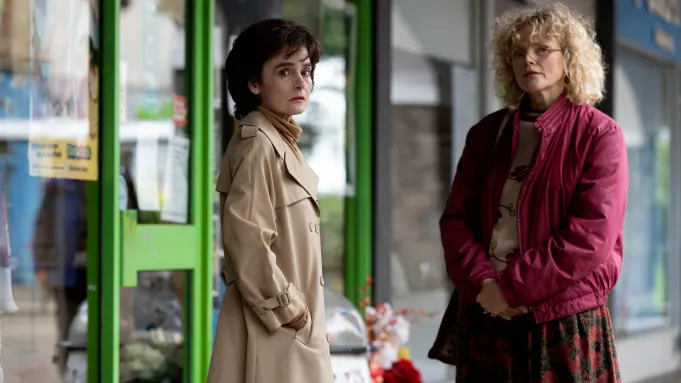
The supporting cast adds even more depth. Shirley Henderson plays his mum, Heather, with a sense of love that’s complicated by feeling overwhelmed. Maxine Peake brings warmth and steadiness as the mental health nurse who supports him, while Peter Mullan grounds the film as Tommy, the community worker who gives John a chance when others won’t.
In the end, I Swear isn’t just about one moment or one controversy. It’s about how quickly people judge what they don’t fully understand, and how difficult it is to separate intent from impact in real life.
It doesn’t try to give easy answers and that’s what makes it stay with you. You’re left sitting with that discomfort, that empathy, and that question of what accountability really looks like.
Maybe that’s the point.