

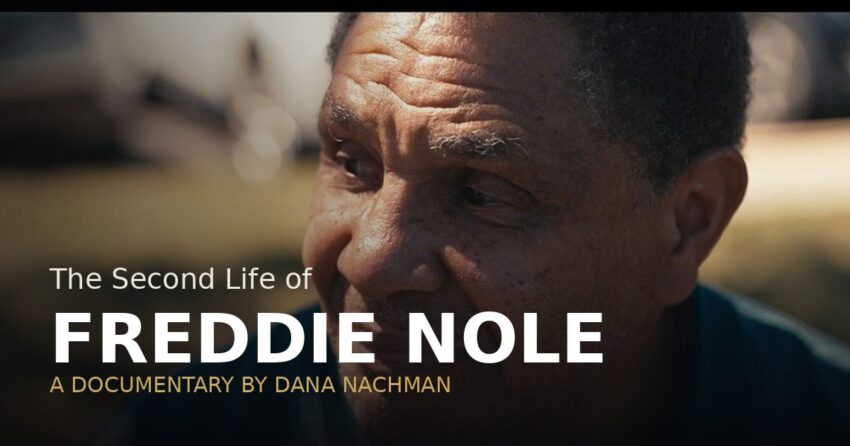
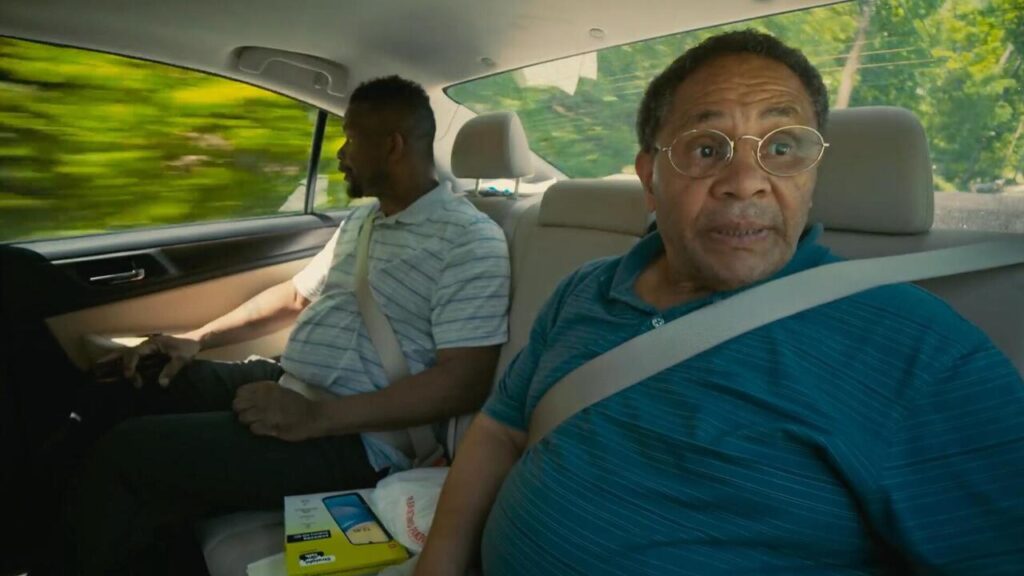
Let’s have a conversation.
What comes into your mind when someone tells you they spent 50 years in prison?
Your brain might automatically think dangerous person or ex-felon. And if you found yourself in the same room as someone with that history, would you look at your surroundings a little more cautiously or find yourself clutching your handbag a little tighter?
Be honest. Are you a person who truly believes in second chances, or do you believe in them only when you can offer them from a safe distance?
I didn’t know what to expect from the 21-minute short documentary The Second Life of Freddie Nole, and I didn’t know Freddie’s story. What I discovered was a man whose life is filled with compassion and a genuine desire to help others. But there is so much more to his tale.
Freddie spent 49 years in prison before a judge ruled that his sentence amounted to cruel and unusual punishment, leading to his release. Just let that sink in for a moment. Forty-nine years.
There is a whole story behind those years, and I don’t want to give too much away. You really need to watch the film to understand Freddie’s journey and how he came to be the man we meet today.
When we meet Freddie, he is preparing to meet Ed at the prison gates. This is something he has done 60 times before. He shows up for men who have made some very bad choices, and for those who may be caught in cycles handed down through generations.
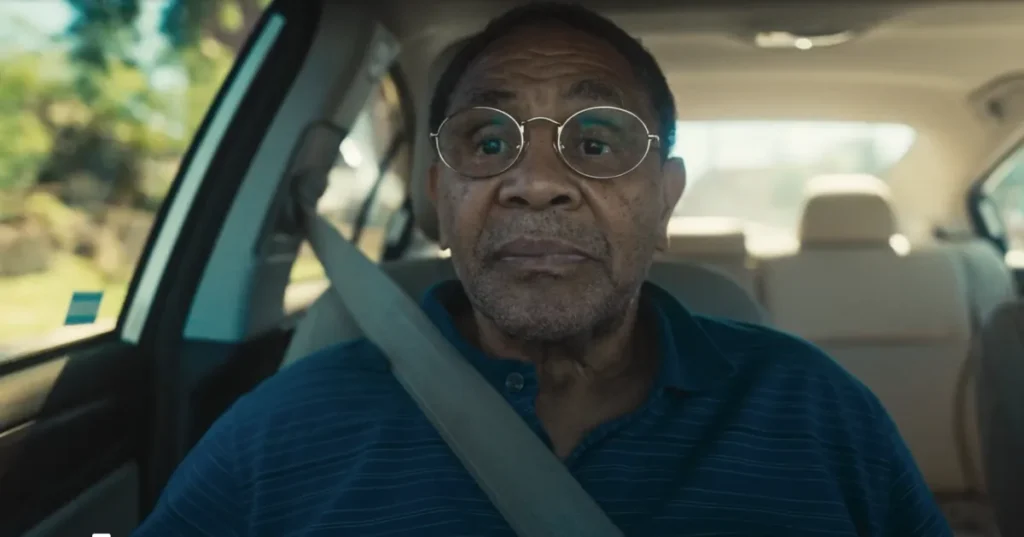
Freddie gets them a new set of clothes and helps them take those first steps towards a different life. He cannot make their choices for them, but he can make sure they have someone in their corner as they face that first day outside prison.
That is what makes his work so moving.
The film unfolds over the course of one day, as Freddie and his friend Steve Chile, the first man Freddie ever helped, come together to support Ed as he takes his first steps towards freedom.
There is something quite beautiful about that. Steve was once the person receiving help, and now he is alongside Freddie, helping someone else. It is a reminder of how one person’s kindness can travel further than they might ever imagine.
Freddie has helped more than 120 men since he began, and nearly all have remained free. That is a remarkable achievement, particularly when you consider the challenges many people face when leaving prison.
In America, more than 600,000 people are released from prison every year, and rearrest rates remain high. More than 60% are rearrested within three years, rising to over 80% within ten years. It makes you wonder what difference the right support at the right time could make.
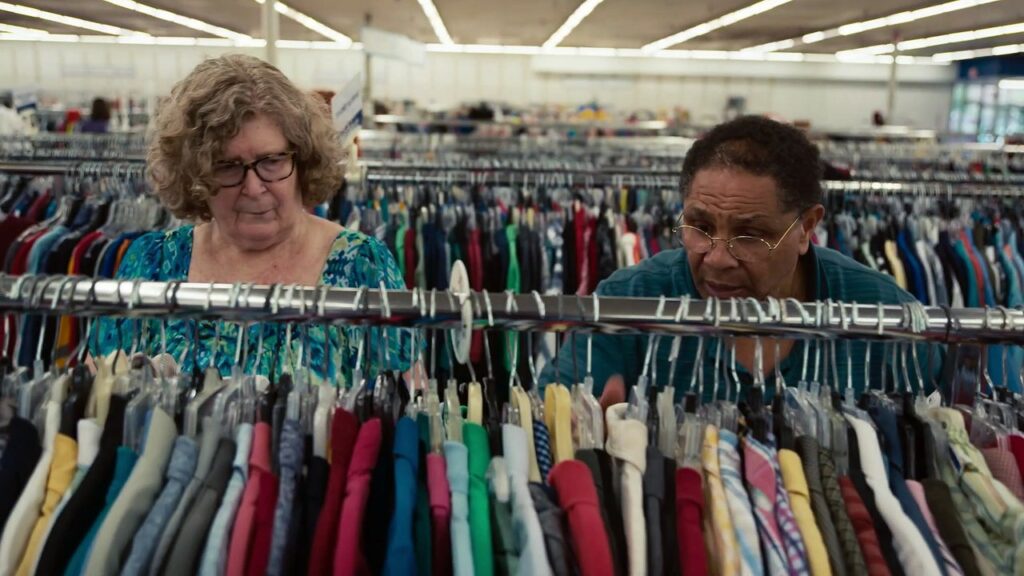
What I particularly appreciated about this documentary is its tenderness and humanity. Rather than presenting Freddie as a perfect person or making his story overly emotional, Nachman portrays him in an honest and respectful way. We see his kindness, but we also see his dignity.
The film reminds us that people are more than the worst things they have done or the worst things that have happened to them. Our past matters, but it doesn’t have to define everything that comes after it.
We often talk about giving people second chances. Freddie’s story shows us what it looks like to put that belief into practice: showing up, offering practical help and being willing to see a person beyond their past.
The Second Life of Freddie Nole is a touching and thoughtful film that left me reflecting on how we judge others and what it really means to offer someone a fresh start.
So I’ll leave you with the question I started with:
Do we really believe in second chances when it is time to offer one to someone else?